Bulgaria Holds Presidential Elections Amid Divisions Over Ukraine War
Bulgarians are heading to the polls for presidential elections, with security concerns over the Ukraine war and Black Sea attacks shaping the debate.
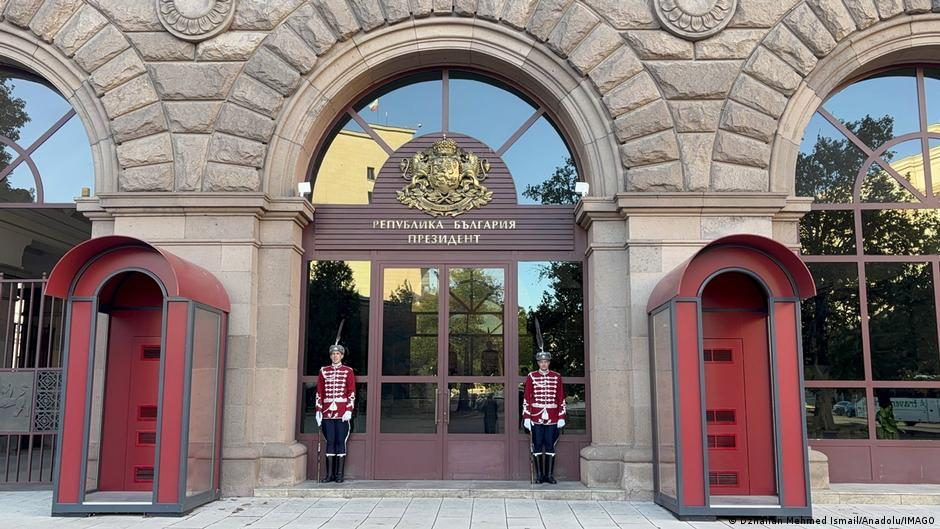
Bulgaria is holding presidential elections as the country grapples with heightened security concerns stemming from the war in Ukraine and recent attacks on ships in the Black Sea. This vote for the largely ceremonial head of state highlights deep divisions within the nation regarding its stance on Russia and its approach to the conflict in Ukraine. The election is also seen as a crucial test of the popularity of current Prime Minister Rumen Radev.
Highlights
- Presidential elections in Bulgaria are taking place amidst security concerns following drone attacks on ships in the Black Sea.
- Candidates hold differing views on the war in Ukraine and the extent of Bulgaria's engagement with Moscow.
- Incumbent President Iliana Iotova is the frontrunner in polls, advocating for dialogue with Russia to achieve peace.
- Her main challenger, Andrey Gyurov, adopts a pro-Western stance, emphasizing Euro-Atlantic ties.
- Key electoral issues include the Ukraine war, rising energy prices, inflation, and persistent government corruption.
Details
Bulgaria's presidential election features 27 pairs of candidates. Current President Iliana Iotova leads in surveys, garnering an estimated 41-47% of the vote. Iotova supports dialogue with Moscow as a path to peace in Ukraine and opposes providing military aid to Kyiv. Her potential victory would be a boost for Prime Minister Rumen Radev, who also advocates for dialogue with Russia.
Andrey Gyurov, a former caretaker prime minister and Iotova's primary challenger, is polling at 28-31%. Backed by the pro-Western opposition, Gyurov is a vocal critic of Radev's foreign policy and strongly supports Bulgaria's Euro-Atlantic ties as a member of the European Union and NATO. If no candidate secures an absolute majority in the first round, a run-off election is scheduled for November 1.
Why it matters
While the presidency is largely ceremonial, the head of state in Bulgaria holds significant powers, including appointing interim governments during political crises, serving as commander-in-chief of the armed forces, and vetoing legislation. These elections are crucial for determining Bulgaria's future foreign policy direction regarding the Ukraine war and its relationship with Russia. Furthermore, the vote addresses pressing domestic issues such as economic hardship as the EU's poorest member state and ongoing concerns about government corruption, with many voters hoping for greater stability after recent political turmoil.