Armenia's COP17 Hosting Spotlights Mining and Environmental Concerns
Armenia's hosting of the Conference of the Parties to the Convention on Biological Diversity (COP17) has intensified scrutiny over the country's mining activities and weak environmental regulations.
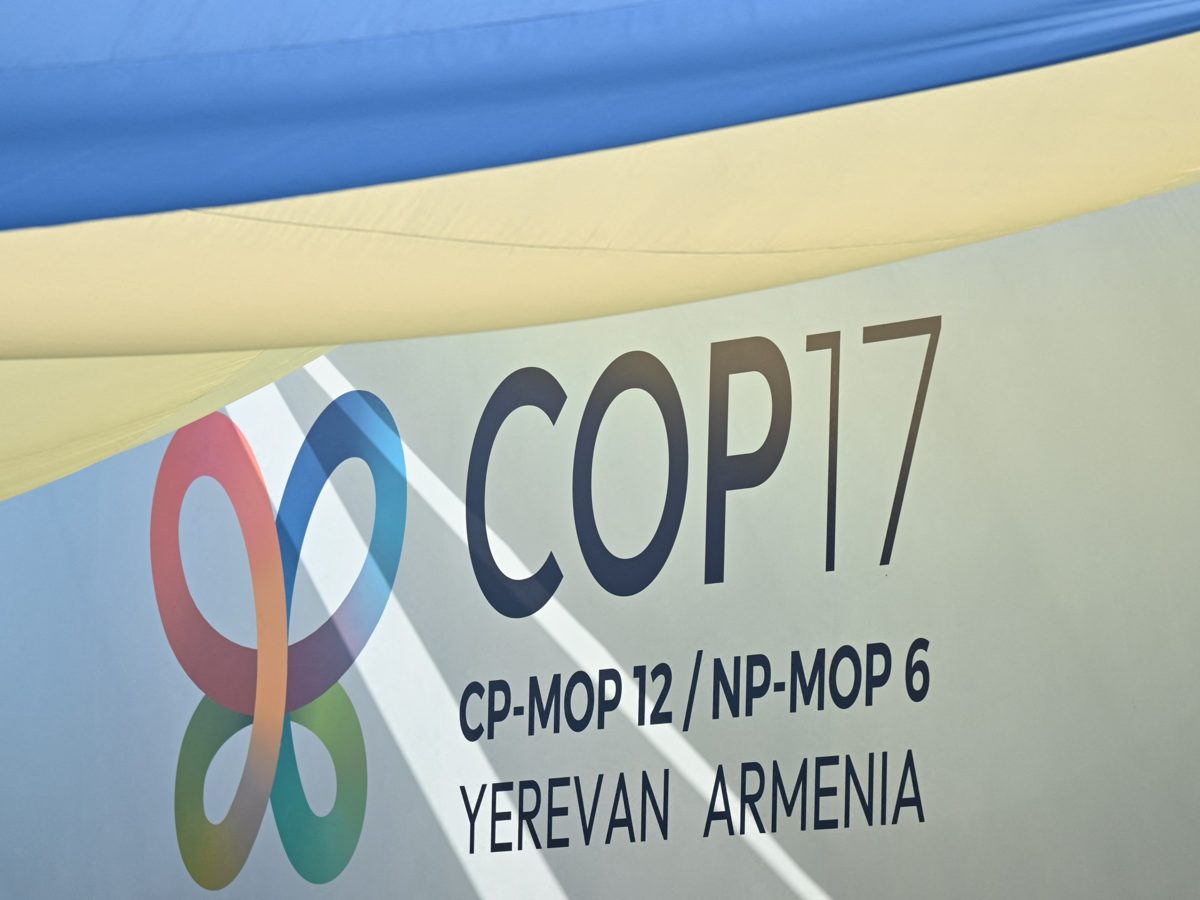
The 17th meeting of the Conference of the Parties to the Convention on Biological Diversity (COP17), held in Yerevan, Armenia, has brought the country's environmental record under the spotlight. While the Armenian government celebrated hosting the summit – the first time in a former Soviet republic – as an opportunity to showcase its environmental leadership, the nation's mining-centric economy and inadequate environmental regulations raise serious questions.
Highlights
- Armenia ranks 75th out of 177 countries in Yale University's 2026 Environmental Performance Index.
- The country performs particularly poorly in waste management and wastewater treatment, ranking 164th and 165th respectively.
- Major copper-molybdenum mines like Zangezur, Agarak, and Teghut use open-pit methods, generating significant waste.
- The controversial Amulsar gold mine, inaugurated just days before COP17, has drawn condemnation from environmental groups.
- The Ministry of Economy claims the Amulsar mine could contribute 1.5% to 2% of GDP and generate approximately $130 million annually in state revenue.
Details
Armenia celebrated its selection to host COP17 in 2024 as recognition of its environmental ambitions. However, for decades, the country has struggled to develop effective conservation policies, with its record remaining poor in several key areas. Its low rankings in waste management and wastewater treatment highlight significant shortcomings in basic environmental protection.
Mining plays a crucial role in Armenia's economy. Large-scale operations, such as the Zangezur copper-molybdenum complex, utilize open-pit methods that produce vast quantities of waste and pose substantial pollution risks. The World Bank has identified mining as a major source of environmental pollution in Armenia. Furthermore, the Artsvanik tailings reservoir, holding millions of tons of mining waste, has been linked to heavy-metal contamination in nearby waterways.
The country's reliance on Russian-linked businesses in vital industrial sectors further complicates efforts to strengthen environmental regulation. These companies are not only significant investors and employers but also major contributors to the state budget, providing the government with a strong economic incentive to protect their operations. This dynamic underscores the conflict between economic interests and environmental protection.
Why it matters
Armenia's role as COP17 host creates international pressure for the country to apply the environmental commitments discussed at the summit to its own mining industry, regulations, and treatment of conservation activists. Participating governments are expected to use the summit to urge Armenian authorities to enhance environmental protections, enforce pollution controls, ensure credible environmental impact assessments, and address civil society concerns regarding projects like Amulsar. This is particularly important as Armenia seeks closer ties with the European Union and aims to distance itself from Moscow.