Morocco's New Government Faces Regional Turmoil and Domestic Pressures
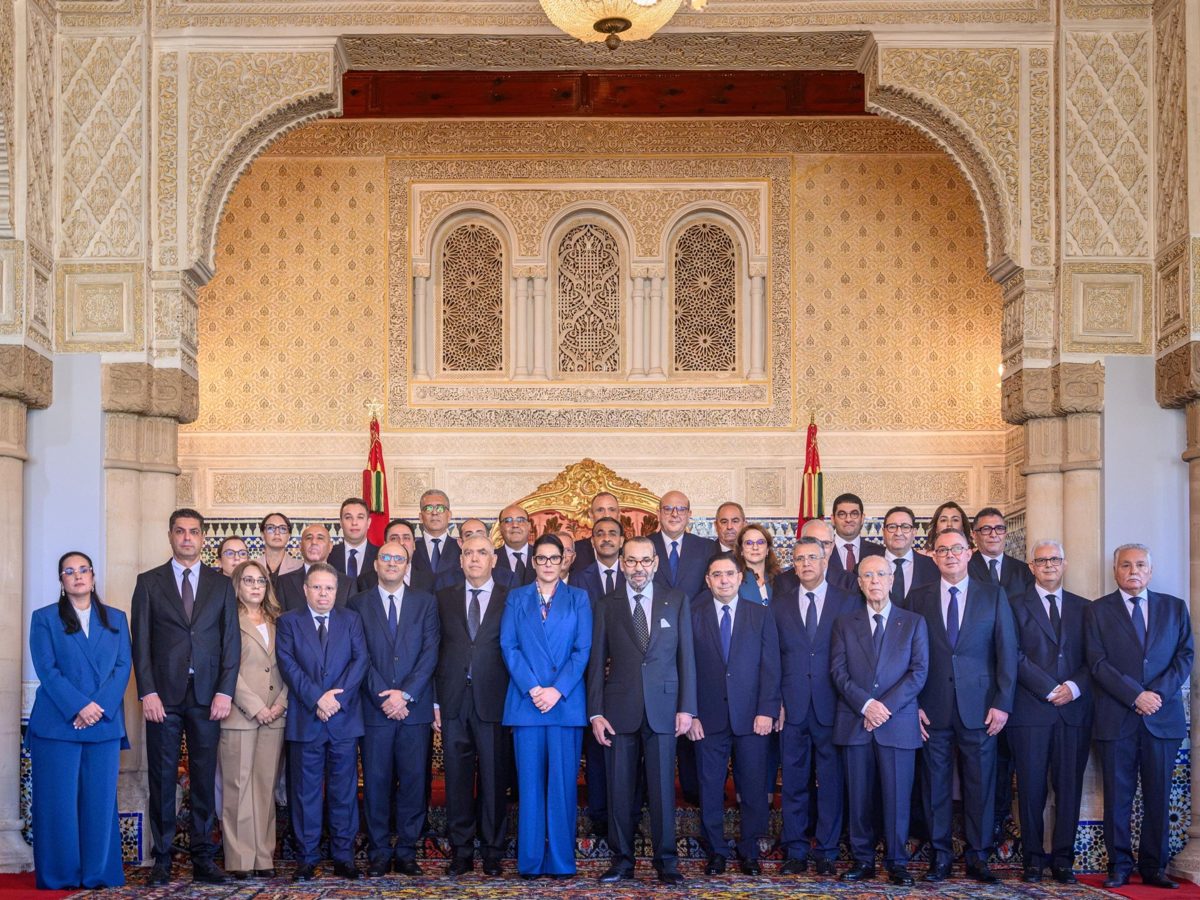
Morocco's King Mohammed VI appointed a new government on October 16, led by Fatima Zohra Al Mansouri. This marks a historic first for Morocco, as a woman is now at the helm of the government, a development widely covered by international media. The new cabinet emphasizes continuity amidst regional turmoil and growing domestic anxieties.
Highlights
- The new Prime Minister, Fatima Zohra Al Mansouri, belongs to the Authenticity and Modernity Party (PAM), which secured the most seats in the September parliamentary elections.
- PAM was founded in 2008 by Ali Himma, a close advisor to the King, with the aim of countering the rise of political Islam.
- Voter turnout was notably low, with 62% of eligible voters abstaining, and allegations of irregularities were reported.
- The new government aims to tackle pressing economic issues, including the cost-of-living crisis and rising energy prices.
- The administration also faces public opposition on issues such as the normalization of relations with Israel and allegations of electoral manipulation.
Details
The Authenticity and Modernity Party (PAM), forming a coalition with three other parties, holds a dominant position in the new government. This signals a preference for continuity over potential change. The party, despite its founder Himma becoming a royal advisor in 2011, continued to be perceived as linked to the royal establishment (Makhzen). However, its participation in the 2021 government as a coalition partner helped it gain experience and legitimacy, culminating in its recent electoral victory.
This victory, however, was overshadowed by low voter turnout and suspicions of irregularities. For instance, influential figures like Faouzi Laaqjea, president of the Royal Moroccan Football Federation, joined PAM just two months before the elections. The newly formed government has retained more than half of its predecessor's members, including those in the so-called 'sovereign ministries' which fall under the King's direct authority. This has led some Moroccans to question the purpose of holding elections if the same individuals are brought back to govern.
Why it matters
The new government has an ambitious social agenda, focusing on the cost-of-living crisis, citizens' purchasing power, and youth inclusion. However, this agenda faces an unfavorable international economic environment, marked by rising energy prices, increased input costs for key sectors like phosphate production, and the potential impact of El Nino on food security after seven years of drought. Additionally, domestic and foreign challenges, such as public opposition to the normalization of relations with Israel and allegations of electoral manipulation, could complicate the government's tenure. Public opinion largely remains skeptical. These difficulties are largely beyond the new government's control. Tourism, another major revenue source for Morocco, could also suffer from a global slowdown in travel. All these factors make the new government's task particularly challenging.