Flydubai Attack Bolsters Netanyahu's Security Message Ahead of Israeli Vote
A stabbing incident on a Flydubai flight from Dubai to Tel Aviv is being framed by Israeli Prime Minister Benjamin Netanyahu to reinforce his security warnings ahead of the upcoming elections.
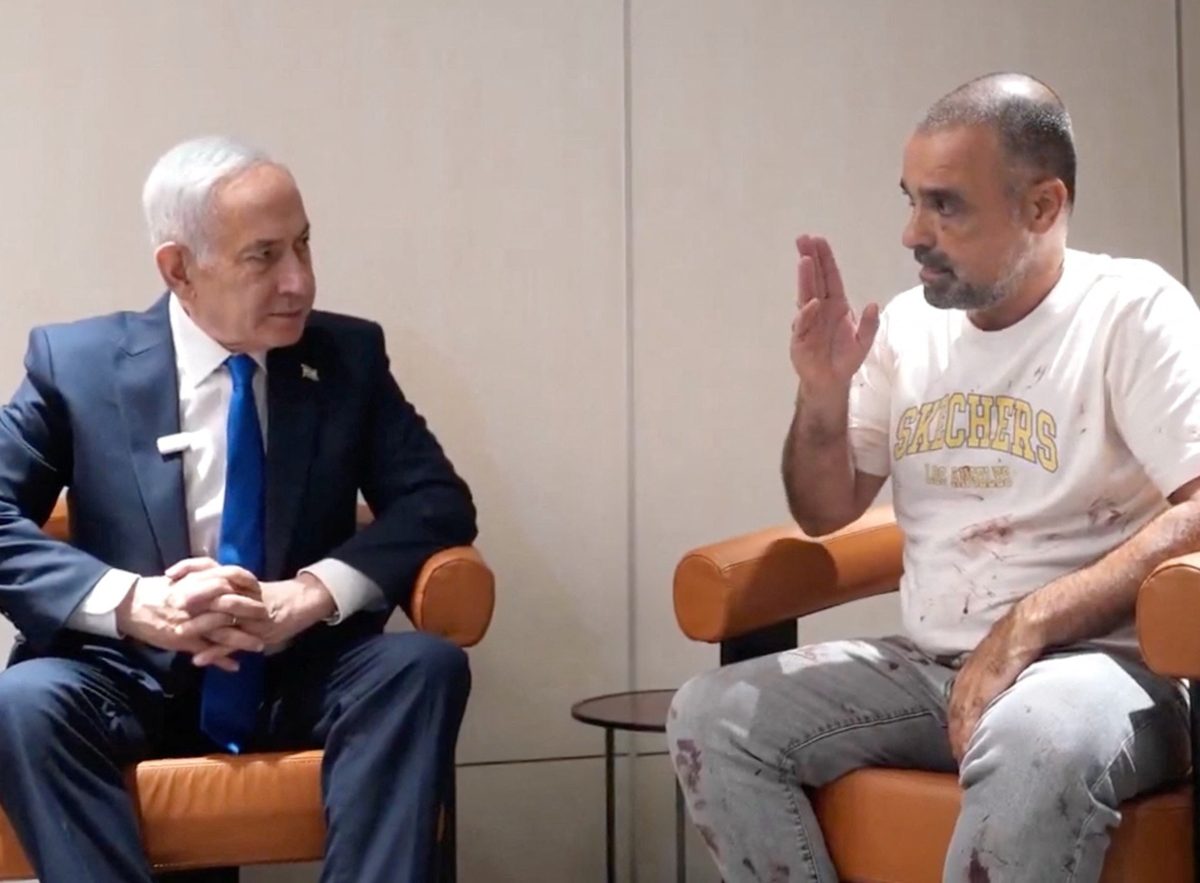
An incident aboard Flydubai flight FZ1073 from Dubai to Tel Aviv, where the co-pilot allegedly stabbed the captain before being subdued, leaves many questions unanswered regarding the motive. However, Israeli Prime Minister Benjamin Netanyahu is quickly using the event to frame his warnings about threats to Israelis, especially with pivotal parliamentary elections approaching later this month.
Netanyahu, while greeting returning passengers, was swift to portray the attack as an almost inevitable outcome of what he describes as ongoing "propaganda" vilifying Israel. This narrative serves to bolster his long-standing image as the only leader capable of truly defending Israelis against perceived threats.
Highlights
- The motive behind the Flydubai flight incident remains unclear, but Israeli PM Netanyahu is leveraging it politically.
- Netanyahu linked the attack to Iran and its proxies, claiming the co-pilot underwent "Islamist radical indoctrination."
- Israeli Defense Minister Israel Katz supported Netanyahu's warnings, calling the incident an "attempted jihadist terror attack."
- Opposition leader Yair Lapid rejected any connection, stating the incident was not mentioned in a security briefing with the PM.
- Analysts suggest Netanyahu might use the event to divert attention from domestic issues and the anniversary of the October 7 attacks.
Details
Despite conceding it was too early to establish a definitive motive, Netanyahu pointed to Iran—which Israel and the United States launched a war against in late February—and its proxies as intent on escalating attacks on Israelis abroad. He claimed on Thursday that it had been established the co-pilot had undergone "Islamist radical indoctrination."
Israeli Defence Minister Israel Katz echoed Netanyahu's sentiments, calling the plane attack an "attempted jihadist terror attack" and urging seriousness about security warnings. Conversely, Israeli opposition leader Yair Lapid, who had received a security briefing from Netanyahu, quickly rejected such a connection, stating that nothing resembling the plane attack appeared in the briefing.
For some observers, Netanyahu's actions following the attempted hijacking are part of a long-running method to ensure crises work in his favor. Ahron Bregman, an Israeli security analyst, noted Netanyahu's attempt to gain politically from the event but expressed skepticism about its ultimate benefit, especially if a connection to Iran is not firmly established.
Why it matters
This incident holds significant political weight for Netanyahu, potentially reinforcing his security-focused platform ahead of the upcoming elections. By linking the attack to broader international criticism of Israel and ongoing conflicts, Netanyahu aims to position himself as the indispensable protector of the nation. This could influence public opinion, potentially escalating regional tensions, particularly with Iran. Furthermore, the event may serve to distract from other pressing domestic issues and the looming anniversary of the October 7 attacks, allowing Netanyahu to control the national narrative.