Allegations of 'Echoicide' and Digital Suppression of Truths from Gaza
Content related to the Gaza conflict is allegedly being systematically restricted and its visibility reduced on social media platforms.
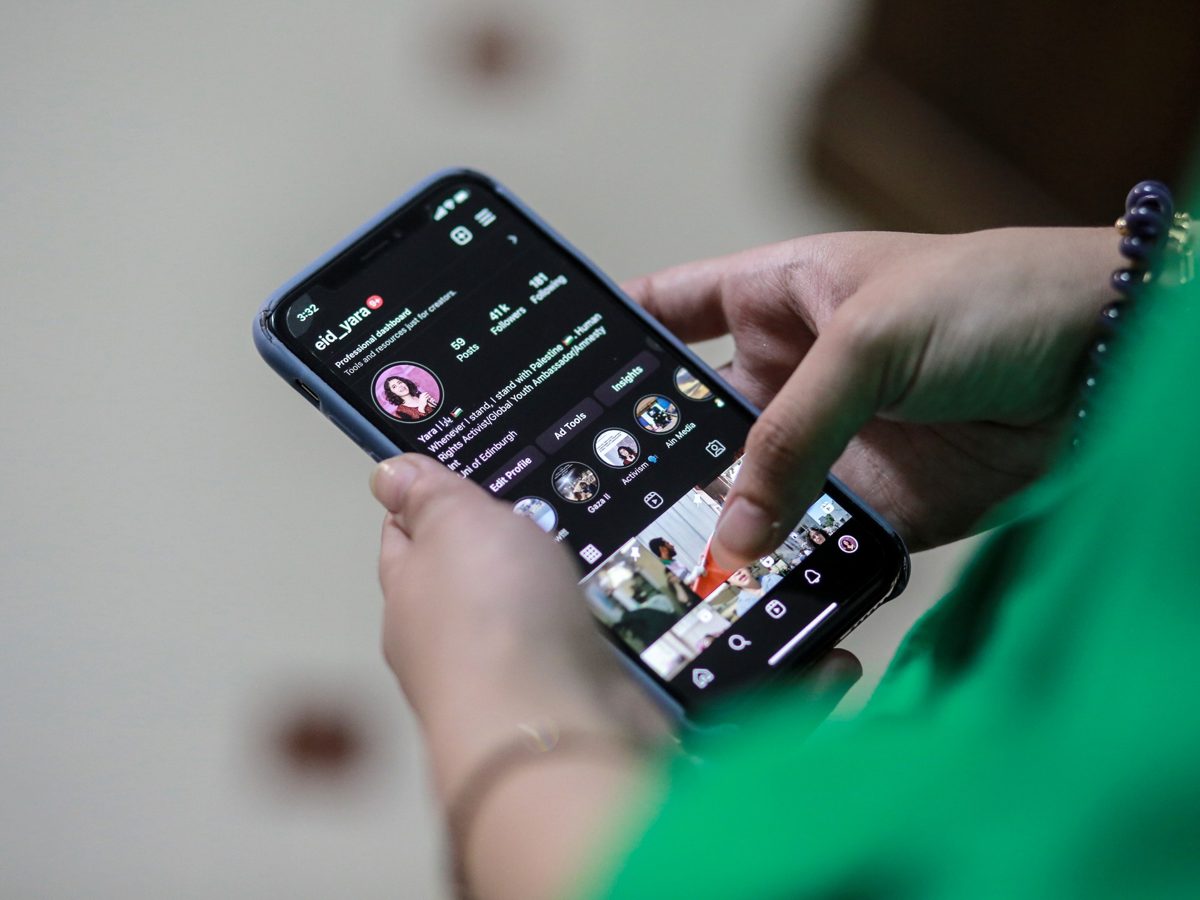
During the attacks on Gaza in October 2023, Palestinian journalists and citizens actively used social media to show the world what was happening. However, organizations like Human Rights Watch (HRW) documented instances where content showing violence against Palestinians was removed or its reach limited on Meta platforms (like Instagram). This situation brings to light a phenomenon termed 'Echoicide,' where a message is not entirely erased but its medium of travel is weakened to the point that the voice loses its echo.
Highlights
- Alleged Restrictions: Social media platforms are accused of hindering information flow by reducing the visibility of Gaza-related content or shadow-banning accounts.
- Journalists' Experiences: Palestinian journalist Ahmed Shihab-Eldin, with over 1.1 million followers, reported that his posts showing alleged Israeli war crimes or life in Gaza 'disappeared' or had their reach severely limited.
- International Court Use: Some of Shihab-Eldin's posts were reportedly used as evidence by South Africa in its genocide case against Israel at the International Court of Justice (ICJ).
- Algorithmic Censorship: Content not being completely removed but having its reach and discoverability reduced through algorithms is seen as a new form of digital censorship.
- Meta's Response: Meta denied systemic censorship claims, stating that content moderation is based on policy violations and that errors have been acknowledged and addressed.
Details
Human Rights Watch documented cases where Instagram removed images and videos showing Palestinian civilians killed or injured in Israeli attacks, citing violations of Meta's 'violence and incitement' rules. This suggests that platforms might not only remove posts but also restrict content by reducing recommendations or pushing users to alter their posts due to fear of penalties.
Ahmed Shihab-Eldin, a Palestinian journalist, claimed that despite his significant following, videos alleging Israeli soldiers committing war crimes and footage of Palestinians living under fire were made to 'disappear' or had their reach severely limited. He alleged that Meta 'shadow-banned' accounts like his and made his page disappear multiple times.
In response to Al Jazeera's inquiries, Meta referred to a 2023 statement rejecting allegations of systemic censorship. The company acknowledged that errors had been made and that changes were implemented to fix these issues. However, Meta insisted that the implication of deliberately and systematically suppressing a particular voice is false, stating that moderation is based on policy violations rather than users' political views.
Why it matters
While information has never been more accessible in the digital age, the question of why some conflicts are highly visible while others remain hidden becomes crucial. Algorithmic censorship, by reducing visibility without outright deletion, can significantly influence public perception and collective memory regarding specific events. This raises serious concerns about freedom of expression and digital rights, highlighting how power dynamics are shaped globally through digital platforms.