Gaza Residents Express Little Hope for Significant Change After Israeli Elections
Palestinians in Gaza view Israel's upcoming elections with apprehension and uncertainty, anticipating minimal shifts in policy despite a desire for new leadership.
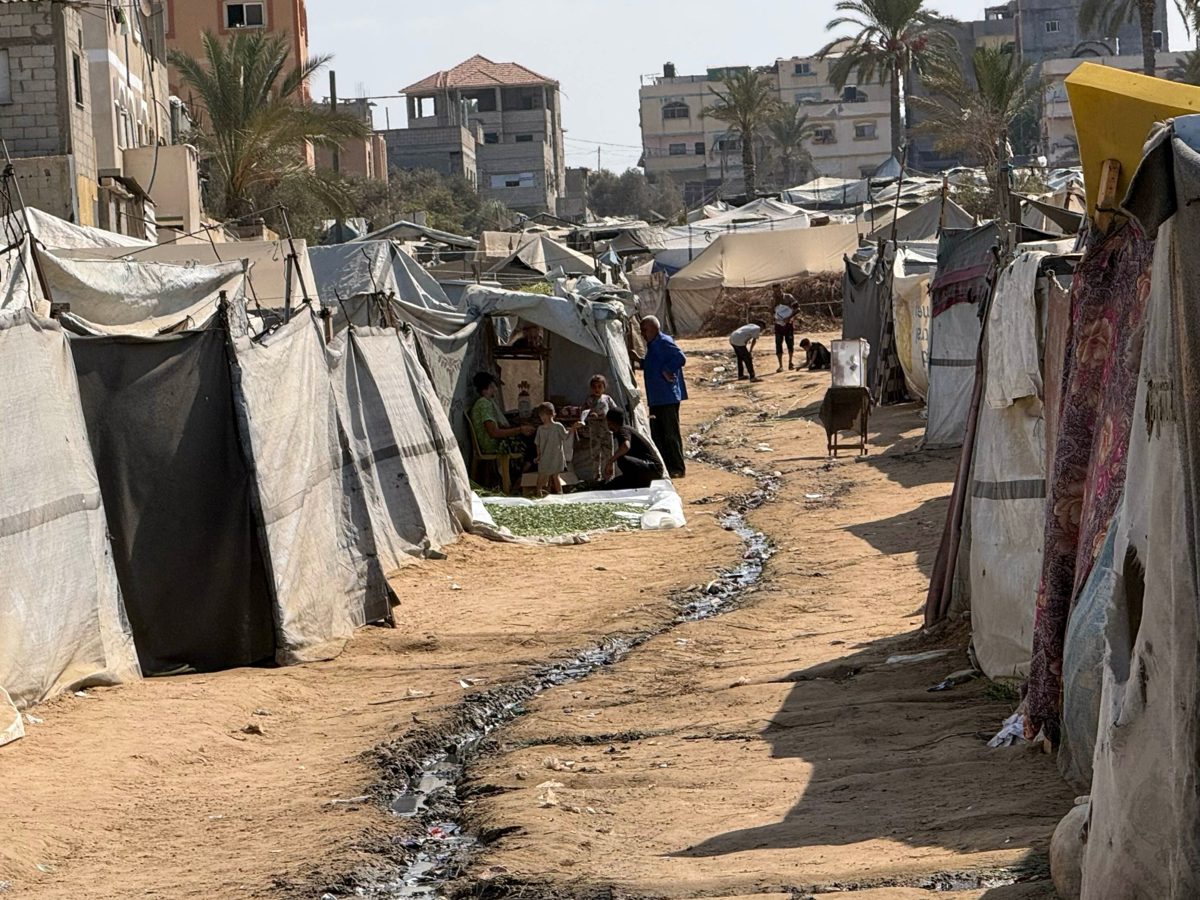
Highlights
- Palestinians in Gaza are closely monitoring the Israeli elections, recognizing their potential impact on their future.
- Many in Gaza hope for a change in leadership, specifically wishing to see Prime Minister Benjamin Netanyahu replaced, believing it might offer some relief to Palestinians.
- Despite these hopes, there is a widespread expectation that fundamental Israeli policy towards Gaza will remain largely unchanged, regardless of the election outcome.
- Displaced Gazans are calling on Israel's next leader to end the conflict, prevent further displacement and hunger, and loosen restrictions at border crossings.
- Concerns persist that another term for Netanyahu could lead to increased conflict and displacement, while some believe an opposition victory might improve the chances for displaced individuals to return home.
Details
Mohammed Eliyan, a 36-year-old displaced from northern Gaza, voiced his hope that Gadi Eisenkot, a former military commander and Netanyahu's primary challenger, would win. Eliyan perceives Netanyahu as taking a harder stance, fearing that a victory for his Likud party and its far-right allies would escalate hostilities and displacement for Gaza's population. However, he also acknowledged that he does not anticipate a dramatic shift in Israeli policy, regardless of who assumes power.
Islam Salem, 41, displaced from Beit Lahiya, is also closely following the elections, believing the results could influence Gaza's future and his children's lives. Yet, he shares the sentiment that Israeli policy is unlikely to change, viewing elections primarily as serving Israeli interests. Salem expressed skepticism about the swift initiation of reconstruction efforts in Gaza, where a significant majority of structures have been damaged or destroyed.
Hanan Abu al-Maaza, 57, who has been displaced multiple times during the conflict, fears that a new Israeli government could intensify the suffering of those in the besieged enclave. She holds out hope that a defeat for Netanyahu could increase her chances of returning to her home. Manar Owaida, 23, also hopes for Eisenkot to replace Netanyahu, but notes the long-standing consistency of Israeli policies, suggesting that a change in leadership might not fundamentally alter the lives of Palestinians. Owaida's primary concern is that Netanyahu might initiate a broader regional conflict to divert attention from domestic political pressures.
Why it matters
The outcome of the Israeli elections could directly influence the already challenging living conditions for Palestinians in Gaza. A new government's approach could potentially affect issues such as the ongoing blockade, reconstruction efforts, and the return of displaced individuals. However, the prevailing sentiment among Gazans is that any change in leadership is unlikely to lead to a fundamental alteration in core Israeli policies, thus maintaining uncertainty regarding the future of the protracted conflict and humanitarian crisis in the region.