South Korea Demands Apology from North Korea Over DMZ Mine Blast
South Korea is demanding an apology from North Korea following a landmine blast in the DMZ that injured three soldiers and is considering further actions.
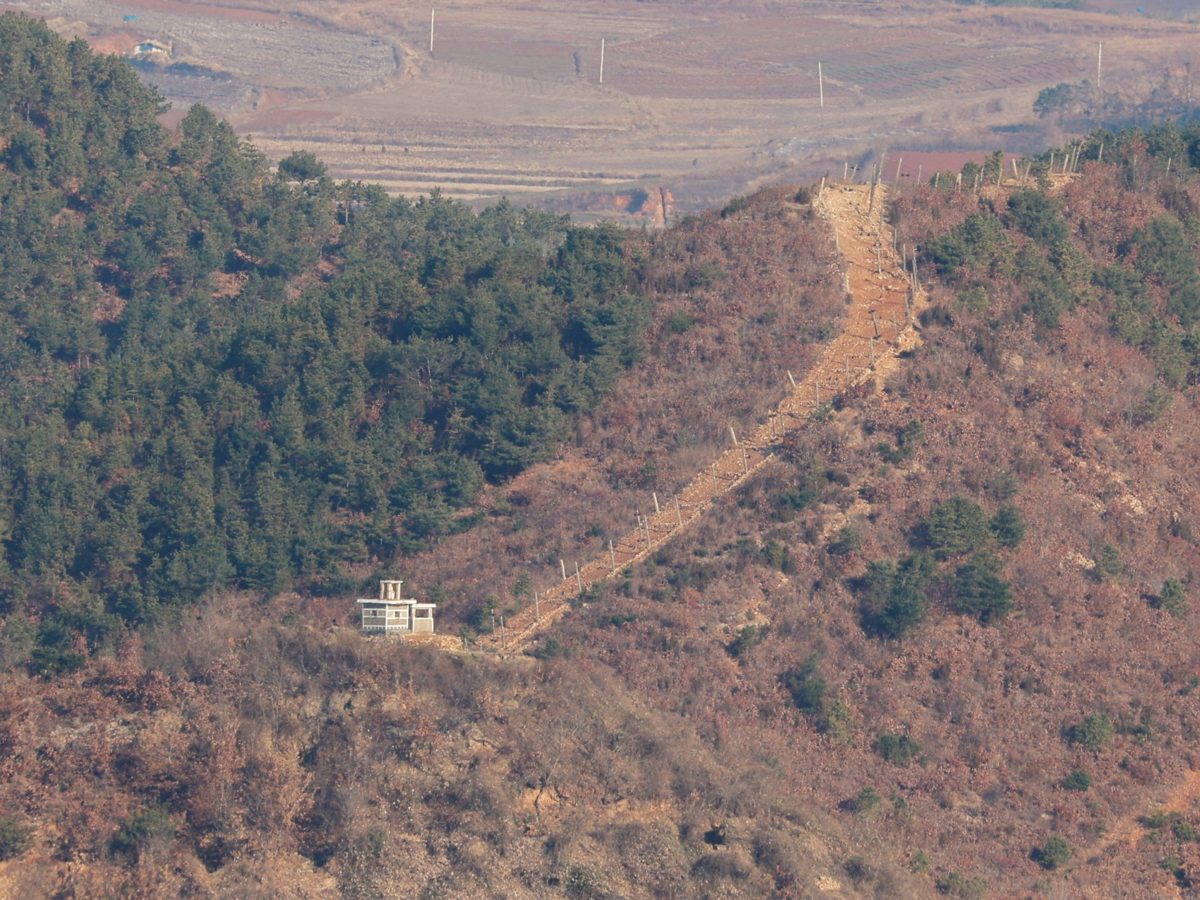
South Korea's Ministry of Defense is weighing various measures to compel an apology from North Korea following a landmine blast in the Demilitarized Zone (DMZ) that wounded three of its soldiers. Seoul has urged Pyongyang to remove any other mines planted on the southern side of the Military Demarcation Line (MDL).
An investigation conducted jointly by South Korea and the United Nations (UN) concluded that two landmines, which exploded last month, were planted by North Korean forces approximately a year ago. This finding prompted Seoul to demand an official apology from Pyongyang.
Highlights
- South Korea demands an apology from North Korea for a landmine blast in the DMZ.
- A joint investigation determined the mines were planted by North Korea.
- Seoul urges Pyongyang to remove other mines on the southern side of the MDL.
- North Korea denies responsibility for the blast and calls the apology demand "despicable."
- South Korea is considering additional measures and calls for talks on border alignment.
Details
Defence Ministry spokesperson Chung Bin-na stated that Seoul is "not ruling out any options or prejudging anything when it comes to additional measures" to force an apology from Pyongyang. Chung did not specify what actions might be employed. Seoul has also called on nuclear-armed North Korea to remove any other mines planted on the southern side of the Military Demarcation Line (MDL), the heavily fortified frontier that has divided the Korean Peninsula since the 1953 Armistice Agreement.
Kim Yo Jong, the influential sister of North Korea's leader, rejected responsibility for the September 21 blast, calling the demand for an apology "a wild dream." Chung mentioned that Seoul is urging Pyongyang to engage in discussions regarding a misalignment of the MDL. She noted that differing views on the border line contribute to tensions in the area. South Korea's military has conducted mine-clearing operations south of the MDL and pledged to continue if Pyongyang fails to remove remaining explosives. The United States-led UN Command (UNC) confirmed that the mine placement violated the 1953 agreement.
Why it matters
This incident highlights the precarious security situation on the Korean Peninsula and the ongoing tensions between the two nations. The landmine blast and subsequent mutual accusations threaten regional stability and complicate diplomatic efforts. South Korea's consideration of further measures and North Korea's firm stance indicate a potential for escalating tensions.