India's Top Court Orders Release of 'Cockroach Movement' Leaders
Leaders of India's 'Cockroach Movement' were released by court order after being detained ahead of a major protest demanding the election commissioner's resignation.
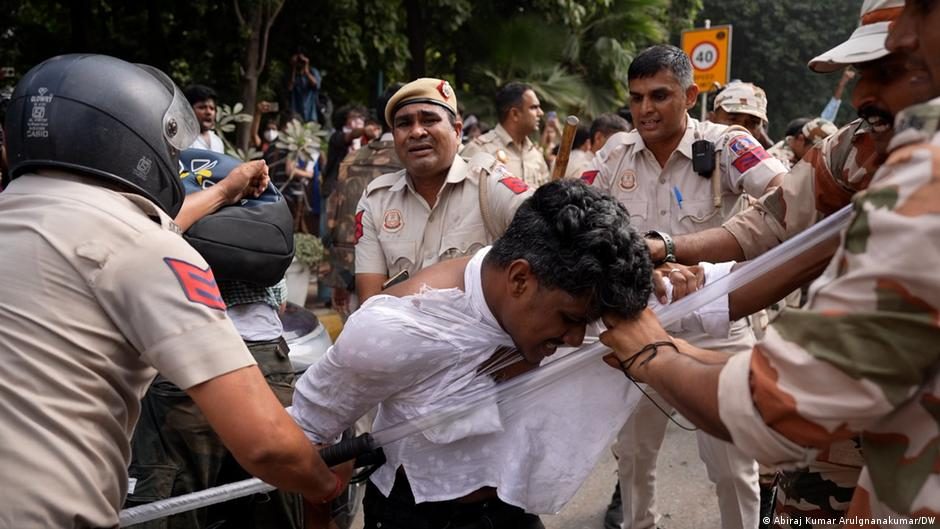
Leaders of India's youth-led 'Cockroach Movement' have been released by court order after their detention ahead of a large protest in New Delhi. The movement was demanding the resignation of India's Election Commissioner. Fresh calls for protests have been made following these developments.
Highlights
- Abhijeet Dipke, founder of the Cockroach Janta Party (CJP), along with leaders Saurav Das and Ashutosh Ranka, were ordered released by an executive court in Delhi.
- Social media influencer Dhruv Rathee was also released overnight after being detained ahead of the protests.
- The Supreme Court held a rare Sunday hearing on a petition against transport restrictions, reiterating its earlier directive against a complete shutdown of public transport.
- The CJP alleged its leaders were held at an undisclosed location for nearly 24 hours without access to their lawyers.
- The movement issued a new call for a march to Jantar Mantar in New Delhi on Sunday.
Details
CJP founder Abhijeet Dipke and leaders Saurav Das and Ashutosh Ranka were detained on Saturday ahead of a significant protest in Delhi. After nearly 24 hours in detention, they appeared in court on Sunday and were ordered released. The movement claimed its leaders were held without lawyer access and their location was undisclosed.
Separately, social media influencer Dhruv Rathee was detained from his Gurugram residence on Saturday morning and reportedly released overnight. Reuters, citing an anonymous Interior Ministry official, stated Rathee's release was conditional on his non-participation in further protests.
Authorities had closed over 50 metro stations and canceled numerous train services to prevent protesters from reaching central Delhi. However, the Supreme Court had previously directed the government not to completely halt train services or implement blanket closures of metro stations. While the CJP claimed over 15,000 people were detained nationwide, Delhi Police reported around 3,500 detentions in Delhi, stating all had been released later on Saturday.
Why it matters
These protests, detentions, and subsequent court rulings in India, demanding the election commissioner's resignation, highlight the escalating tensions surrounding civil rights and freedom of expression in the country. The Supreme Court's intervention in transport restrictions and the release of protest leaders provide a legal check against government attempts to suppress dissent. These events illustrate the rise of opposition voices and the authorities' response in one of the world's largest democracies.