Sailor Salaries Soar Amid Rising Risks in Strait of Hormuz
Tanker captains are seeing significant increases in salaries and per-trip bonuses due to heightened attack risks in the Strait of Hormuz.
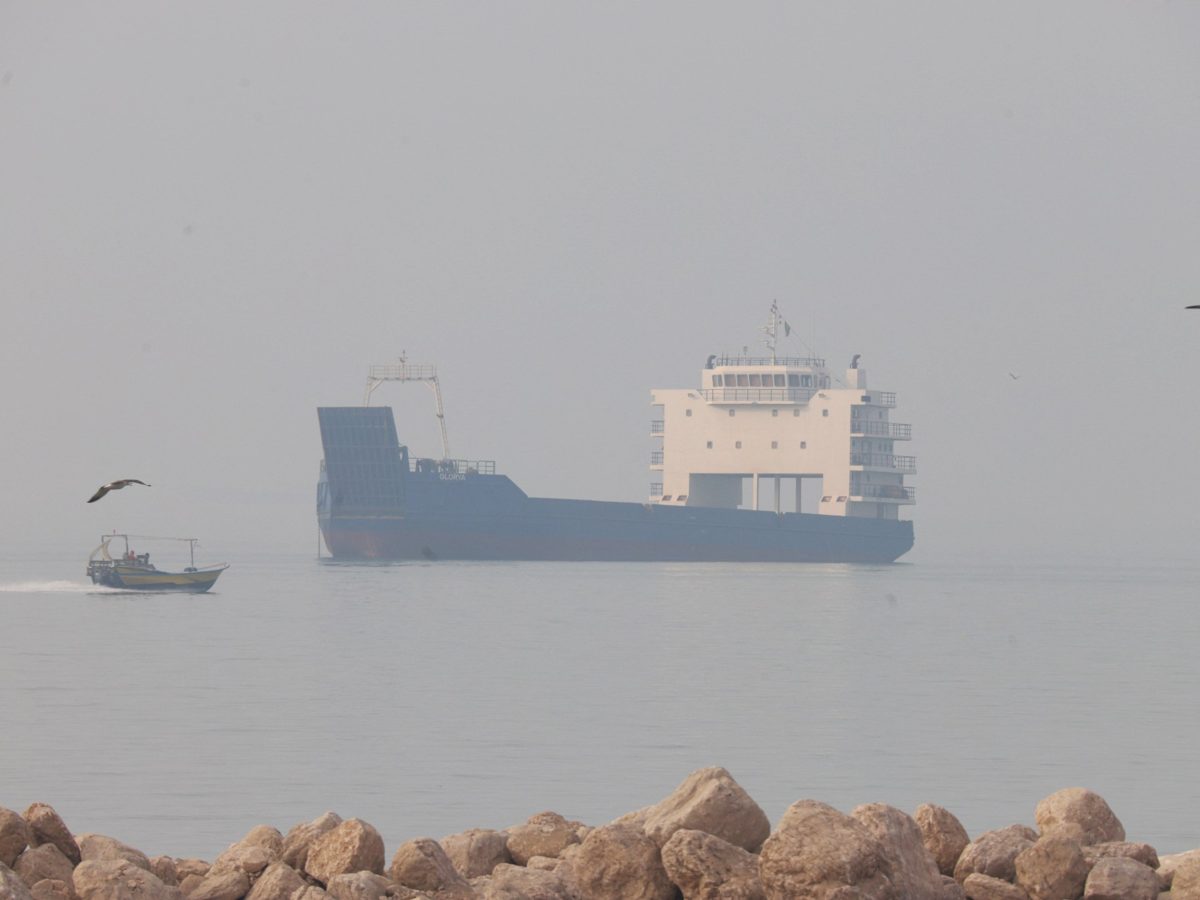
Tensions between Iran and the US-Israel alliance have made maritime transit through the Strait of Hormuz increasingly perilous, leading to a dramatic surge in seafarers' earnings. As attacks intensify in the region, the salaries of tanker captains and bonuses for dangerous passages have reached record highs.
Highlights
- Tanker captains can earn a $50,000 per-trip bonus for navigating the Strait of Hormuz, in addition to their regular salaries.
- Some captains' base salaries can reach up to $100,000.
- Crew members can earn four to six times their normal wages.
- The number of vessels passing through the strait has fallen to its lowest level in over two months.
- Shipping companies are spending between $30 million and $40 million for a single round trip to move oil.
Details
According to the Financial Times, tanker captains transiting the Strait of Hormuz are receiving base salaries of up to $100,000, varying by company, plus an additional $50,000 bonus for each passage. Other crew members can also earn four to six times their usual wages. This lucrative incentive is attracting seafarers, particularly from India, the Philippines, and China, to undertake these high-risk voyages.
Shipping data from Kpler indicates that the number of detectable vessels passing through the strait has dropped to its lowest point in over two months, with only seven vessels using this critical waterway last week. However, oil exports from the Middle East have risen above pre-war levels, thanks to alternative export routes like Saudi Arabia's East-West pipeline and complex ship-to-ship transfers. During these transfers, smaller boats often turn off their transponders to avoid detection while making risky passages.
Why it matters
The Strait of Hormuz is a vital chokepoint for global oil trade. The escalating security risks in the region are driving up shipping costs and impacting oil prices. Brent crude futures have risen to $102.28 a barrel, and US West Texas Intermediate crude futures to $89.94. This situation increases uncertainty in energy markets and has the potential to affect the global economy. The high wages earned by seafarers in exchange for their safety risks clearly illustrate the economic repercussions of the ongoing regional tensions.