Storm Boelo Approaches UK Amid Lingering Power Outages from Storm Austen
The UK braces for Storm Boelo, bringing severe winds and rain, as hundreds of homes remain without power after Storm Austen's impact.
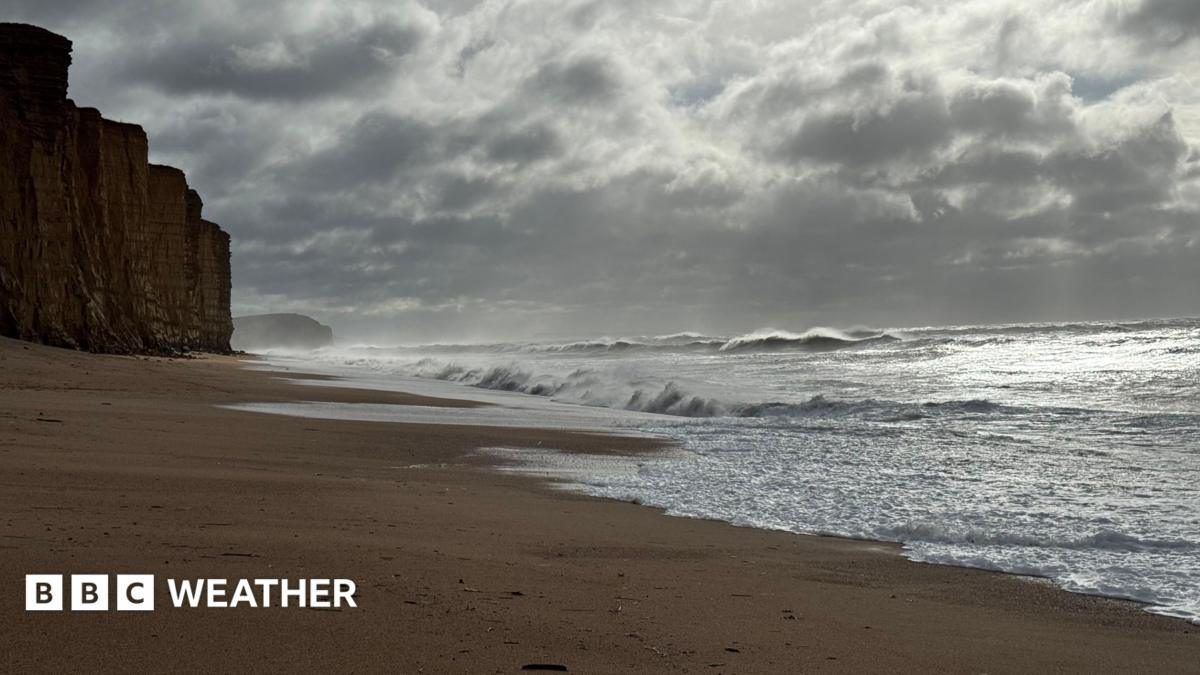
Highlights
- Storm Boelo is expected to affect Scotland, Northern Ireland, and northern England from 9 PM BST on Saturday.
- Wind speeds could reach up to 80 mph in certain exposed areas.
- Hundreds of residences are still without electricity following Friday's Storm Austen.
- The storm poses risks of travel disruptions, power outages, and localized flooding.
- ScotRail has announced cancellations for some train services on Saturday night.
Details
The United Kingdom is preparing for the arrival of Storm Boelo, which is forecast to bring significant wind and rainfall. This comes just a day after Storm Austen, the initial named storm of the season, impacted southern England and Wales, causing wind gusts exceeding 75 mph. That earlier storm resulted in downed trees, widespread transport issues, and thousands of electricity supply interruptions. While engineers from the National Grid have managed to restore power to over 60,000 locations since Storm Austen's onset, a substantial number of homes still lacked electricity on Saturday morning.
An amber weather alert has been issued for much of Scotland, parts of Northern Ireland, and northern England, valid from Saturday at 9 PM BST through Sunday at 9 PM BST. Within these regions, wind speeds are anticipated to be between 60-70 mph, with coastal areas potentially experiencing gusts as high as 80 mph. Additionally, yellow weather warnings are in place for Orkney, other parts of Northern Ireland, and northern England, where winds of 55-75 mph are possible, with isolated gusts also reaching 80 mph. The Central Lowlands of Scotland may also face periods of disruption due to strong winds funnelling through the area.
Why it matters
Sequential storms are a common occurrence in the UK, often developing in groups, especially during periods of volatile atmospheric conditions over the Atlantic Ocean. A robust jet stream facilitates the rapid formation of powerful windstorms. This process involves the northward movement of warmer air and the southward movement of colder air across vast stretches of the Atlantic, creating significant temperature differences. These temperature variations establish favorable conditions for new low-pressure systems to emerge and intensify. If these systems are then guided by a developing, strong jet stream, they can rapidly gain strength, potentially becoming named storms that deliver destructive winds, heavy precipitation, and widespread interruptions as they approach the UK.