UK Prime Minister Burnham Calls for 'Culture Shift' in Business
UK Prime Minister Andy Burnham urged a 'culture shift' in how the country conducts business, emphasizing support for risk-takers and empowering local leaders in collaborations with companies.
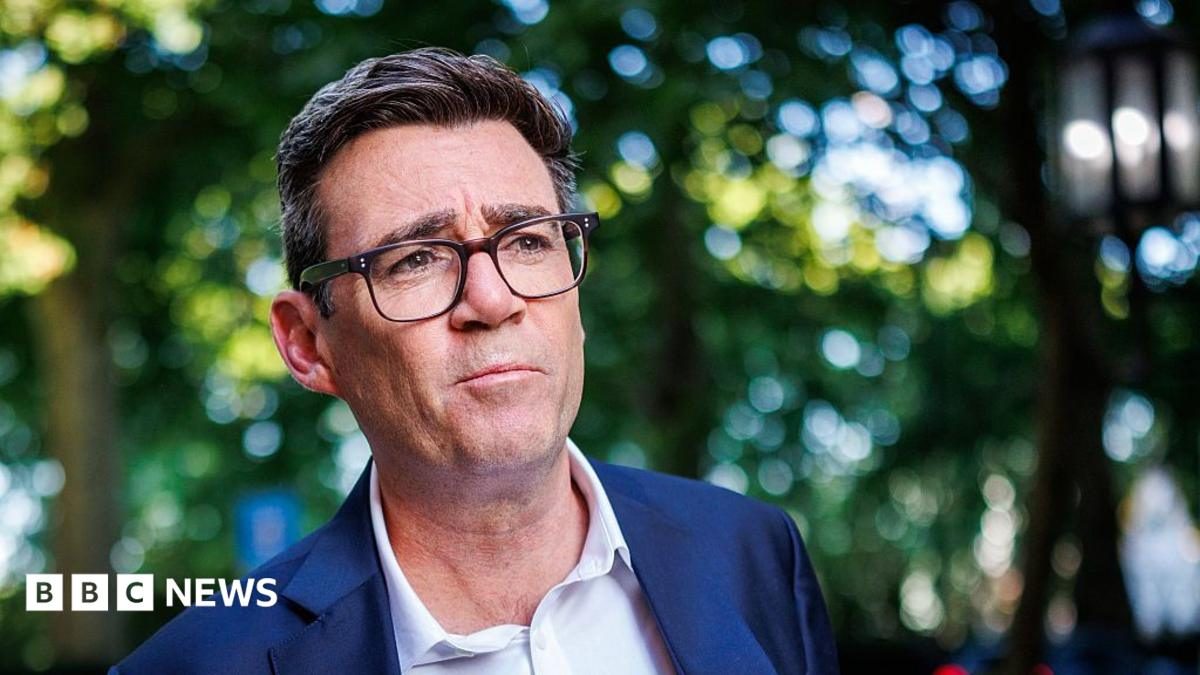
UK Prime Minister Andy Burnham has called for a "culture shift" in the way Britain conducts business, ahead of a meeting with some of the country's leading chief executives. Burnham stated that the government should back those who take risks in business, and local leaders should be empowered to work with companies.
Highlights
- Prime Minister Burnham emphasized government support for business risk-takers and local leaders' collaboration with companies.
- Burnham is scheduled to meet with CEOs from major corporations like BP, Shell, and HSBC.
- The current Labour government faces criticism for increasing business costs.
- The hospitality sector has urged the Prime Minister to cut VAT from 20% to 10%.
- The UK's borrowing costs are currently higher compared to other developed nations.
Details
Prime Minister Burnham is set to host a meeting at Downing Street with chief executives from prominent companies including BP, Shell, HSBC, Morrisons, Sainsbury's, BT, Vodafone, and Rolls-Royce. Ahead of the gathering, Burnham expressed his intention to "give people the confidence that if they have a great idea, they'll get all the support they need to bring it to life." He added that the government aims to be "a partner for growth to make every part of Britain better off."
This meeting precedes Chancellor John Healey's first Budget announcement next month, amidst rising borrowing costs that are adding pressure to government finances. Separately, over 800 pub, restaurant, and hotel bosses have written to the Prime Minister, advocating for a reduction in the hospitality VAT rate from 20% to 10%.
Why it matters
The UK's borrowing costs are currently higher than those in countries like the US, France, and Japan. Experts attribute this to factors that have eroded investor confidence, such as frequent changes in prime ministers and chancellors, alongside policy reversals over a short period. The government's new approach to business is seen as an effort to stimulate economic growth and restore investor confidence, even as criticisms persist regarding increased business costs.