Kärcher CEO Calls for Less Regulation, More Action to Revitalize Europe and Germany
The CEO of cleaning equipment giant Kärcher urges for reduced bureaucracy and increased competitiveness to address the economic challenges facing Europe and Germany.
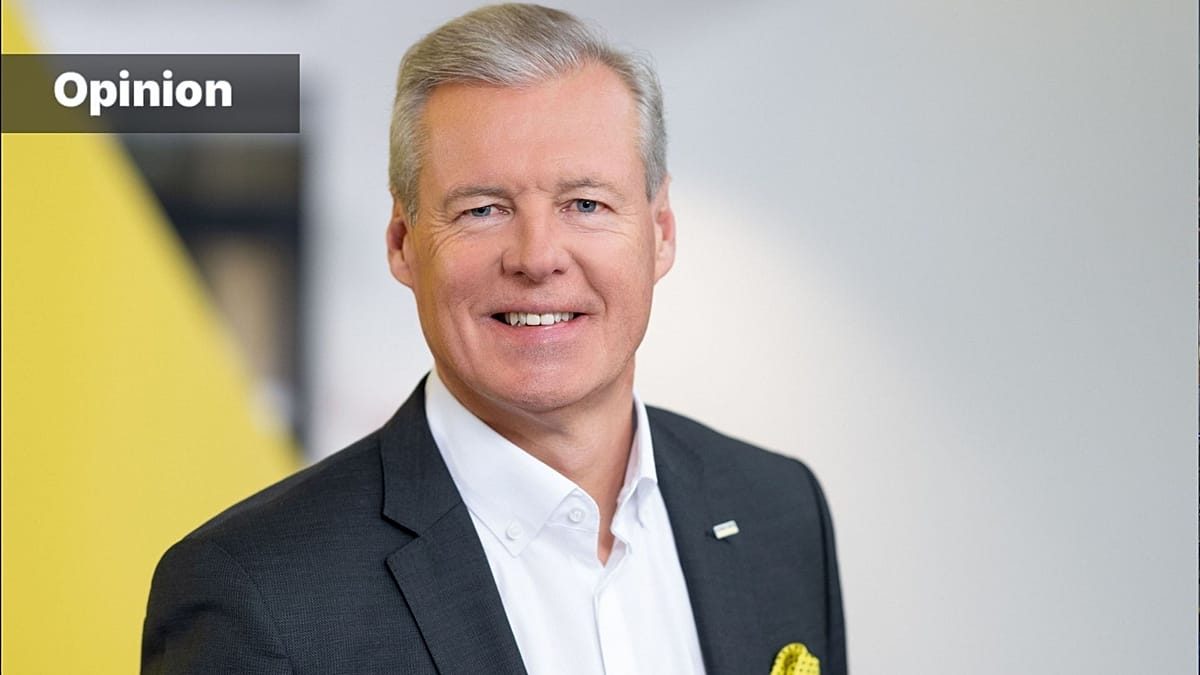
Hartmut Jenner, CEO of Kärcher, has stated that the European and German economies are facing a "perfect storm," advocating for less regulation and more decisive action to strengthen the continent once again. Geopolitical crises, the unpredictable trade policies of the U.S., and China's aggressive technological competition are significantly impacting European industry.
Jenner highlighted the loss of tens of thousands of industrial jobs and a decline in production volume in Germany, underscoring that deindustrialization is a tangible threat. He noted that current economic growth is largely driven by government funds and subsidies, which he considers unsustainable.
Highlights
- Kärcher's CEO warns of a "perfect storm" impacting European and German economies.
- Unpredictable U.S. trade policies and subsidized Chinese competition pose significant threats to European industry.
- The loss of industrial jobs and declining production in Germany are cited as clear signs of deindustrialization.
- Government reform efforts are deemed insufficient, with bureaucracy and excessive regulations hindering investment.
- Calls for less regulation, greater personal responsibility, investment incentives, and labor market reforms.
Details
In an interview with Euronews, Jenner explained that Europe is navigating a challenging period marked by geopolitical crises, U.S. tariff threats, and China's state-backed industrial policies. He argued that China's massive subsidies and artificially competitive currency policies create an unfair global playing field, threatening to outpace European industries. This situation, he noted, has led to plant closures and production relocations in key German sectors like automotive and manufacturing.
Kärcher, a family-owned company that generated almost €3.5 billion in revenue in 2025 and employs 17,000 people worldwide, has remained resilient during these turbulent times due to its balanced business model and customer focus. However, Jenner stated that even innovation leaders cannot withstand increasingly challenging operating conditions and unfair competition indefinitely. He pointed out that the significant rise in structural and employee costs in Germany makes expanding capacity or increasing headcount in domestic production economically unfeasible.
Jenner contended that Germany's economic growth is largely "borrowed growth," artificially fueled by special government funds, defense contracts, and subsidies. He identified the root causes of the ongoing weakness as a creeping reform fatigue and a "regulatory frenzy" that hinders rather than facilitates investment. He described bureaucracy and high energy costs as "poison" for the business environment, adding that social security contributions consistently exceeding the critical 40% threshold render tax breaks ineffective.
Why it matters
These calls from Kärcher's CEO underscore the urgent need for fundamental structural reforms in Europe, particularly in Germany, to maintain global competitiveness. Steps such as reducing bureaucracy, improving the investment climate, and making the labor market more flexible are crucial for the continent's economic health and future prosperity. This discussion reflects a growing awareness across the European Union that economic policies need to be re-evaluated.