Environmental Detectives in the UK Track Down Illegal Waste Dumpers
Environmental enforcement officers in the UK are sifting through illegally dumped waste for clues to catch offenders, highlighting the significant costs this crime imposes on society and the environme
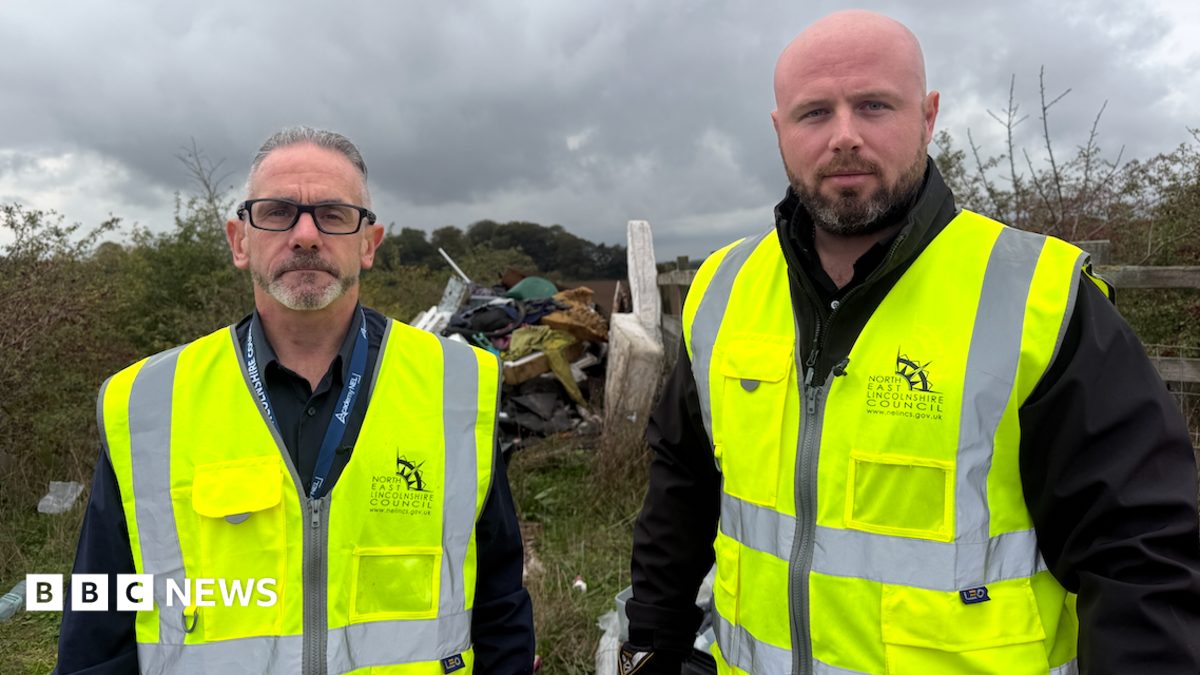
Environmental enforcement officers in North East Lincolnshire, UK, are actively investigating illegally dumped waste along roadsides to identify and apprehend offenders. Teams are meticulously searching through colossal mounds of rubbish, from discarded microwaves to used syringes, for evidence. These illicit activities not only harm the environment but also cost the public purse an estimated £1 billion annually.
Highlights
- Environmental enforcement officers frequently discover identifying documents, such as letters with names and addresses, within illegally dumped waste.
- The discovery of numerous used syringes among the rubbish raises serious safety concerns for the teams and underscores the hazardous nature of the waste.
- While often perceived as a victimless crime, illegal dumping incurs significant costs for private landowners and public councils, draining resources.
- Prime Minister Andy Burnham announced plans to increase fines for fly-tipping from £300 to £5,000, with offenders potentially receiving up to nine points on their driving licence.
- The public is advised to ensure their waste is disposed of by licensed carriers or taken to proper waste facilities.
Details
Anthony Horan and Ashley Hanley from North East Lincolnshire Council report finding ample evidence within a massive waste pile near the Brocklesby Interchange, Grimsby. Horan expressed shock at the quantity of used syringes found, emphasizing the dangers involved. The teams use letters and other personal items found in the waste to trace individuals, who can be fined if found responsible for not properly disposing of their rubbish.
Horan states that many people mistakenly believe "enviro-crime or fly-tipping is a victimless crime," but this is far from the truth. Individuals often hire unlicensed "man with a van" services to dispose of their waste, only for it to be illegally dumped. If waste is found on private land, the owner bears the cost of removal; if on public land, councils must pay.
Across the Humber Bridge, Hull City Council's Streetscene team faces similar challenges, noting that fines for fly-tipping in their area are £1,000. Team manager Carl Wilson explains that certain locations are persistent hotspots, and effective enforcement relies on collecting evidence to deter repeat offenders. Councils often visit these hotspots to educate residents on proper waste disposal methods.
Why it matters
Illegal waste dumping is more than just an eyesore; it's a serious crime that contributes to environmental pollution, poses public health risks (especially with hazardous waste like syringes), and drains public resources. Such activities cost councils thousands of pounds, which must be covered by taxpayers' money. Stricter enforcement measures by authorities and increased public awareness are crucial for protecting the environment and alleviating the economic burden on communities.