Microsoft Outage Affects UK Health and Police Services
A global outage on some Microsoft platforms has disrupted critical public services in the UK, including GP surgeries, police forces, and pharmacies.
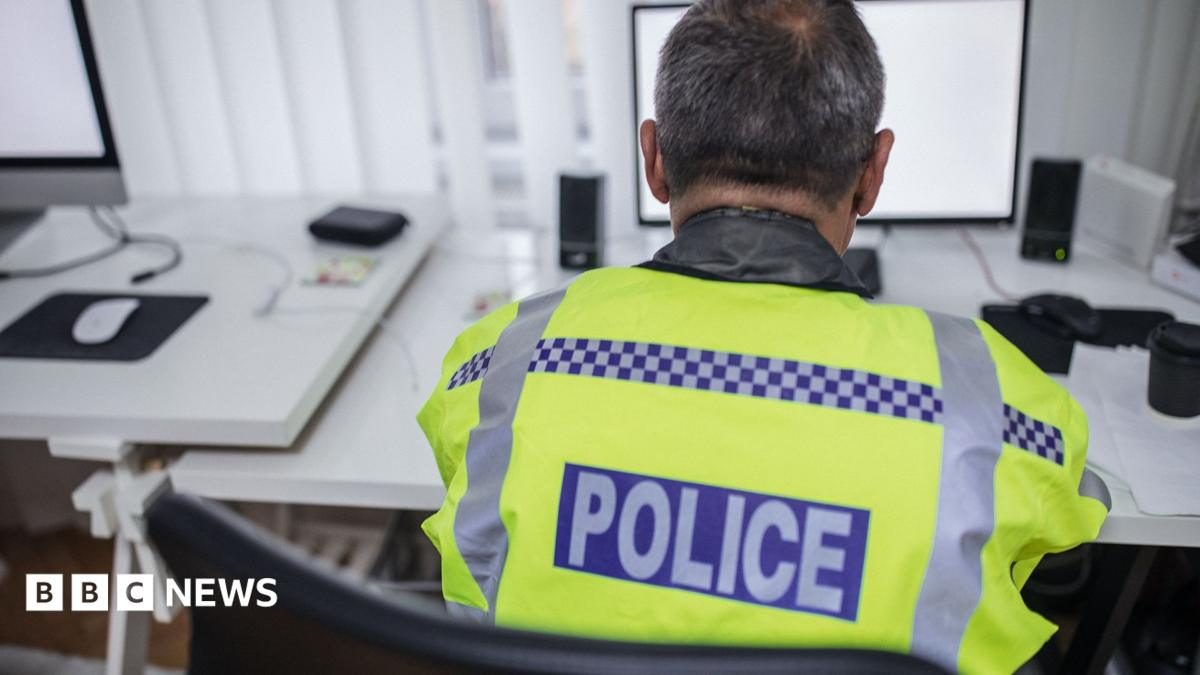
A global outage affecting certain Microsoft platforms has led to disruptions in key public services across the United Kingdom. General practitioner (GP) surgeries, police forces, and pharmacies are among the institutions impacted by the issue. The outage primarily affects widely used Microsoft products such as Outlook and Teams.
Microsoft stated that the problem stemmed from higher-than-usual stress on its servers. The company reported that systems were showing "early signs of stabilisation" and that efforts to resolve the issue were ongoing.
Highlights
- GP surgeries advised patients not to submit messages via their websites, while some police forces urged the public to call for reports.
- Pharmacies reported difficulties communicating with GP practices and some patients, potentially leading to prescription delays and longer waiting times.
- Ambulance and National Health Service (NHS) emergency services (111 and 999) experienced issues with patient data referral, though emergency and life-threatening calls appeared unaffected.
- Major airports and UK intelligence services remained unaffected by the outage; government officials are currently assessing the impact on state services.
- Members of Parliament (MPs) also faced problems accessing their parliamentary accounts, but alternative arrangements were in place for daily business to proceed.
Details
The outage had a direct impact on local GP practices and police forces. GP surgeries in Hampshire and Shropshire advised patients with urgent needs to call or visit in person. Major police forces, including the Metropolitan Police, Greater Manchester Police, and North Yorkshire Police, stated that online forms might be affected, recommending that people call 101 for time-critical but non-emergency reports.
Sir Ciarán Devane, CEO of the NHS Alliance, confirmed that some NHS services, particularly emails, were affected, but all clinical and operational systems were functioning effectively. Unions indicated that the outage had a "serious impact" across ambulance and NHS trusts, creating a significant backlog due to the inability to refer patient details normally.
Microsoft and cybersecurity experts ruled out a cyber-attack as the cause of the outage. The problem was attributed to a large number of servers becoming "unexpectedly unavailable," leading to traffic being redirected to the remaining online servers, causing them to become overloaded. Cybersecurity adviser Jake Moore likened this situation to "blocking one lane on a motorway."
Why it matters
This outage once again highlights the potential risks associated with critical public services' reliance on a single technology provider. Cybersecurity experts emphasize that such incidents underscore the importance of independent contingency communication networks and diversified systems that do not depend solely on one provider. The disruption demonstrates the deep integration of daily life and essential services into digital infrastructure, underscoring the necessity for robust emergency planning and varied system architectures.