SpaceX Starship Reaches Orbit on 15th Test Flight, Booster Diverted to Ocean
SpaceX's Starship rocket successfully reached low-Earth orbit on its 15th test flight, deploying 26 Starlink V3 satellites, but its first-stage booster was intentionally diverted into the Gulf of Mexi
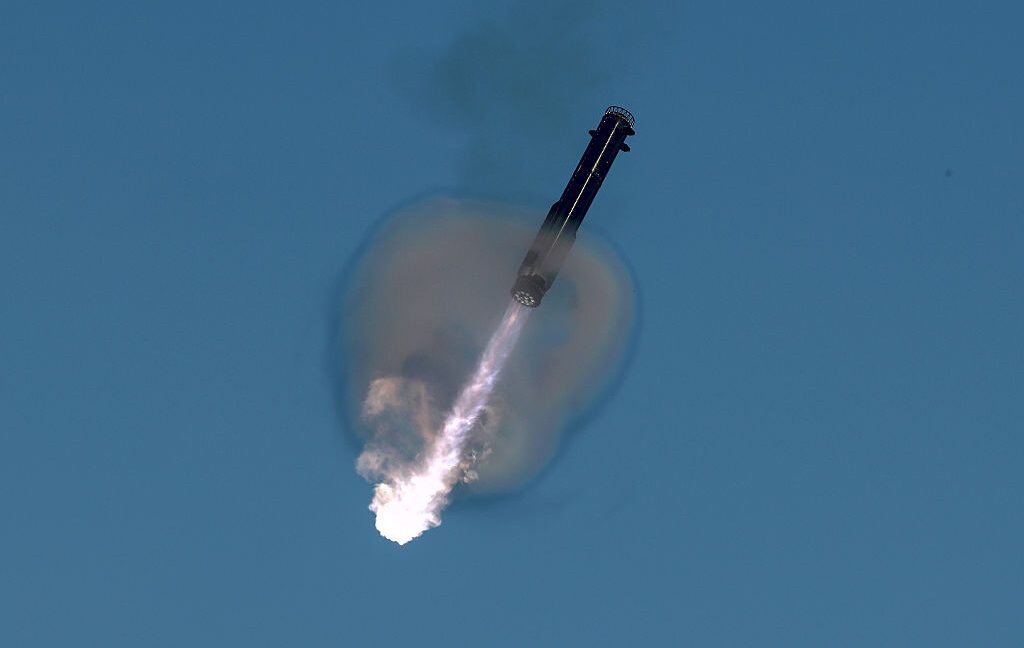
SpaceX's massive Starship rocket successfully completed its 15th test flight, reaching low-Earth orbit and deploying 26 Starlink V3 satellites. The launch took place from the Starbase facility in Texas.
However, the mission's initial objective to return the first-stage booster for a catch by the launch tower did not materialize due to an unspecified issue. The booster was instead commanded to divert into the Gulf of Mexico.
Highlights
- Starship successfully reached low-Earth orbit on its 15th test flight.
- The rocket deployed 26 next-generation Starlink V3 satellites into orbit.
- This marks the second time Starship has reached low-Earth orbit, demonstrating its operational capability.
- The first-stage booster was intentionally diverted into the Gulf of Mexico due to an unspecified issue, rather than returning to Starbase.
- SpaceX plans to attempt to catch the Starship upper stage with the launch tower on Saturday, which would be a historic first.
Details
Launched from Texas on Friday evening, Starship ascended flawlessly into space. The first stage released the upper stage over the Gulf of Mexico, after which the Starship upper stage ignited its Raptor engines and powered its way into a nominal orbit. This was SpaceX's second time flying Starship into low-Earth orbit.
The primary aim of the mission was the deployment of 26 Starlink V3 satellites from a narrow door at the base of the spacecraft. This occurred about 40 minutes into Starship’s flight, with all satellites safely making it into orbit. These satellites feature solar panels that stretch 60 meters when fully deployed.
SpaceX's ultimate goal is to make Starship fully reusable and significantly increase its flight rate. In this context, the inability to recover the first-stage booster is a setback. The company has previously landed and reflown Starship boosters, but not yet with the latest version 3 iteration of the vehicle.
Why it matters
Starship's achievement of orbit and satellite deployment demonstrates its operational capability. However, ensuring the reusability of the booster is critical for SpaceX's goals of reducing costs and democratizing access to space. A successful attempt to catch the upper stage on Saturday would be both historic and provide valuable data for reusability efforts. Key challenges remain, particularly regarding heat shield performance and tile durability, which are fundamental for rapid reusability in future missions.