UK Budget Unveils Bank Tax, Energy Bill Aid, and Minimum Wage Hike
UK Chancellor John Healey has announced new budget plans, including tax increases for banks, energy bill adjustments, and a minimum wage rise, to support households amidst high living costs.
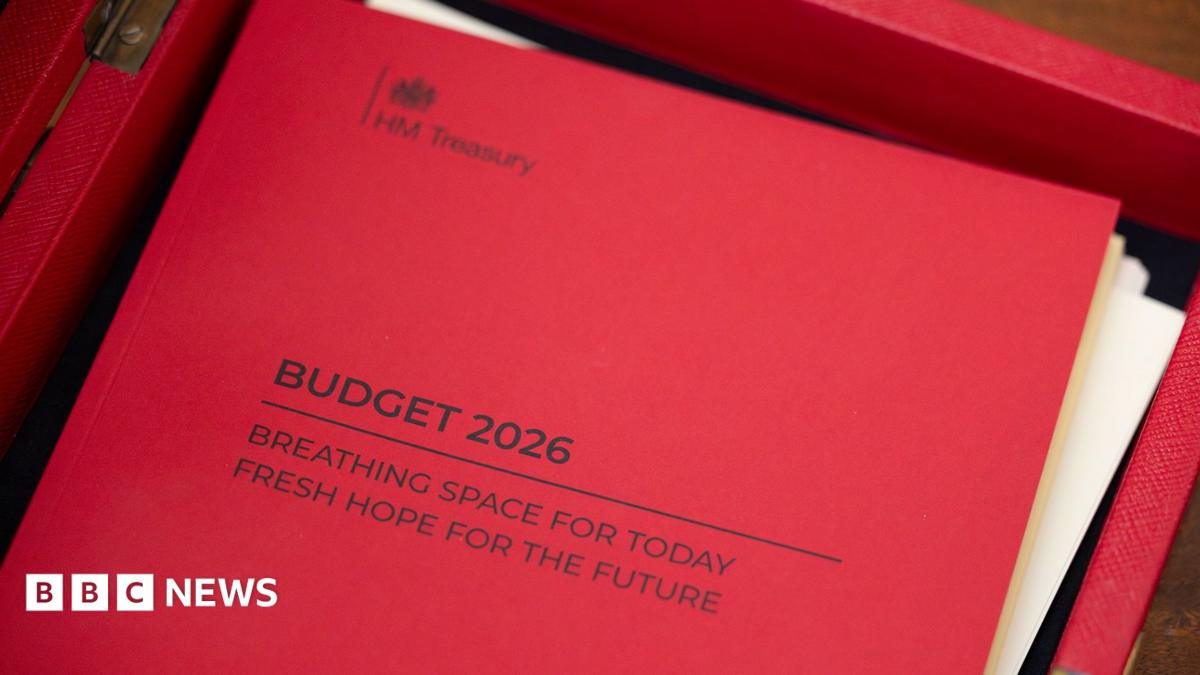
UK Chancellor of the Exchequer John Healey has presented the Labour government's first budget, outlining its tax and spending plans. Alongside Prime Minister Andy Burnham, the budget aims to provide "breathing space" for households grappling with the high cost of living, introducing a range of measures.
The government indicates that some tax increases may be implemented to fund these supportive initiatives. This budget brings significant changes, particularly concerning energy bills, housing acquisition, and the minimum wage.
Highlights
- Fixed daily standing charges for household gas bills will be removed for approximately 23 million homes, potentially saving an average of £45 per year.
- A new "Your First Home" scheme will be launched to assist first-time buyers in England, allowing them to purchase a new-build home with a 2.5% deposit and providing a loan worth 20% of the property's value.
- A minimum wage increase will be announced, but the rise for 18-20 year-olds is expected to be lower than in previous years.
- Banks are anticipated to face increased taxes on their profits and a higher levy based on their balance sheet size.
- Online retail giants like Amazon and eBay are expected to become responsible for collecting taxes from traders on their platforms, with these funds used to cut business rates for High Street shops.
Details
With household energy bills projected to see their largest rise in four years in January, a typical annual bill is forecast to jump by £276. In response, the government plans to remove fixed daily standing charges from gas bills. These charges, which averaged £108 annually, were paid regardless of gas consumption. However, this will be offset by higher unit costs for gas. The Treasury estimates that three-fifths of households will see an average annual saving of £45.
The "Your First Home" scheme is designed to help first-time buyers in England. Under this program, individuals can buy a new-build home with a 2.5% deposit, receiving a loan worth 20% of the property's value. Eligibility thresholds for buyers are set at combined incomes of £110,000 outside London and £140,000 in the capital.
While a minimum wage increase will be included in the budget, the rise for workers aged 18-20 is expected to be less than in the previous two years. The Labour party had previously aimed to remove "discriminatory age bands," ensuring all adults received the same minimum wage. Additionally, pensioners relying solely on the state pension are expected to be shielded from income tax through a new personal allowance.
Why it matters
This budget aims to provide crucial support for households and businesses in the UK grappling with high living costs and inflation. The adjustments to energy bills and the housing scheme will have a direct impact, particularly on low and middle-income segments. Tax increases targeting banks and online retail giants are seen as a means to fund these support measures and promote tax fairness. With economic growth expected to slow and inflation remaining above target, the budget's impact on the national economy becomes even more critical.