Iran Proposes Seven-Day Plan to Reopen Strait of Hormuz Amid US Midterm Election Pressure
Iran has put forth a proposal to the US for reopening the Strait of Hormuz within a week, as Qatar mediates talks at the UN General Assembly.
Highlights
- Iran has presented a proposal to the United States for the Strait of Hormuz to be operational again in seven days.
- Qatar is acting as an intermediary for communications between Washington and Tehran during the United Nations General Assembly in New York.
- Tehran seeks a primary role for itself and Oman in managing the strait before broader peace discussions commence.
- The US insists on immediate talks regarding Iran's nuclear program.
- Analysts suggest Iran's timing is aimed at pressuring the Trump administration ahead of the US midterm elections due to high fuel prices.
Details
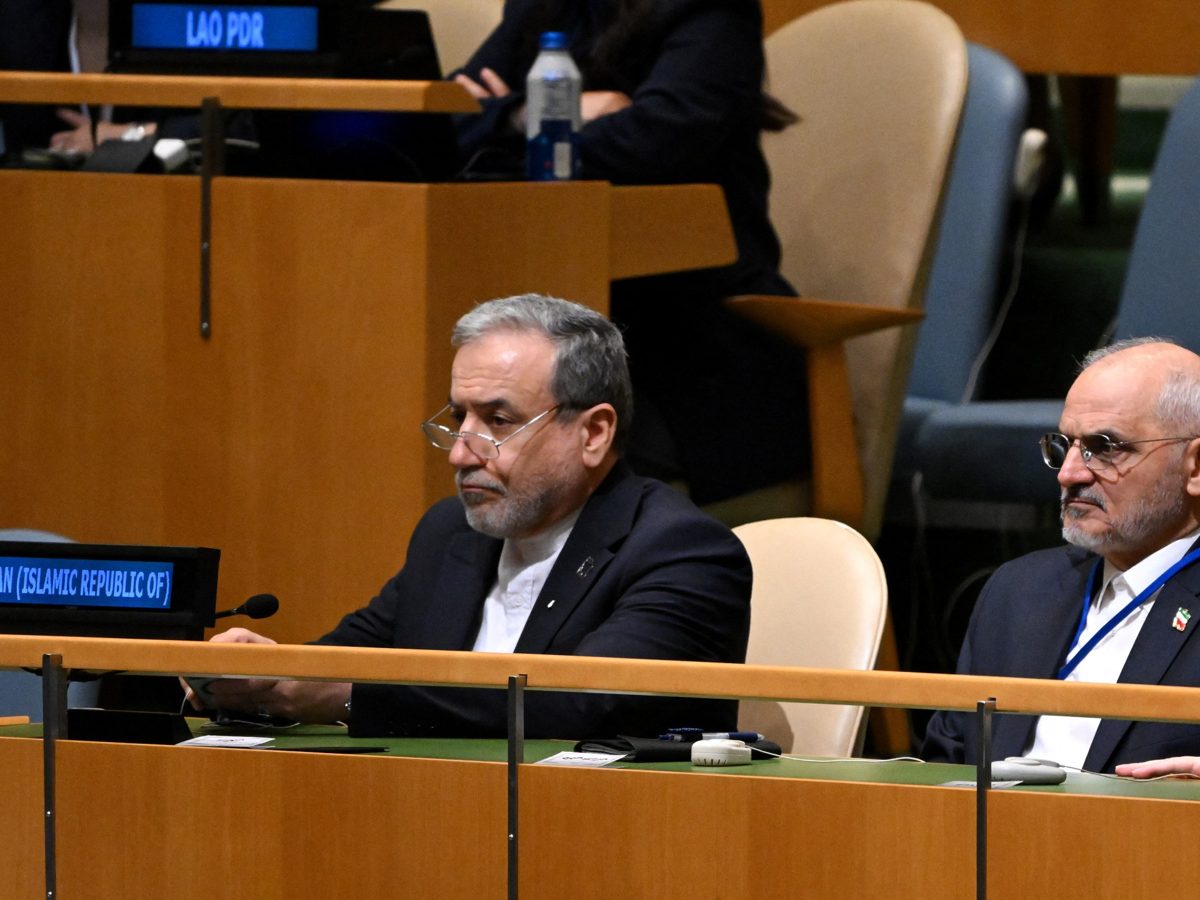
Iran's Foreign Minister, Abbas Araghchi, confirmed in New York that Iran's proposal was delivered to the US via intermediaries. Araghchi stated that if certain conditions are met, the Strait of Hormuz could be accessible by the end of the seventh day, allowing peace negotiations to resume. While he did not elaborate on the specific details, he noted that the offer resembles a memorandum of understanding (MoU) from June, which briefly alleviated tensions between Iran and the US before collapsing.
Under the previous June agreement, Iran had permitted ships to transit the strait without tolls for 60 days, a period designated for peace discussions. However, the current proposal's specifics, such as whether it includes similar free passage or what actions Washington would need to take before the seven-day timeline begins, remain undisclosed. Experts believe it's improbable that Iran would completely relinquish control of the strait, viewing its management as crucial for the country's economic recovery.
Why it matters
The Strait of Hormuz is an essential maritime passage for the shipment of petroleum and natural gas from the Gulf region. Disruptions to this shipping lane have caused energy prices to surge globally. With the US midterm elections approaching, an agreement to reopen the strait could enable President Trump to reduce fuel costs before voters cast their ballots, potentially offering a significant boost to the Republican Party. However, a major hurdle remains as the US desires to discuss all issues, including Iran's nuclear program, as a single package, while Iran prefers to address them separately. Trump has asserted that the elections do not influence his decisions regarding Iran, emphasizing his commitment to preventing Iran from acquiring nuclear weapons.