Gaza Documentary Sparks Fury in Israel: Old Allegations Ignite New Outcry
A new documentary featuring testimonies from Israeli soldiers about their actions in Gaza has triggered widespread backlash across Israel's political and media landscape.
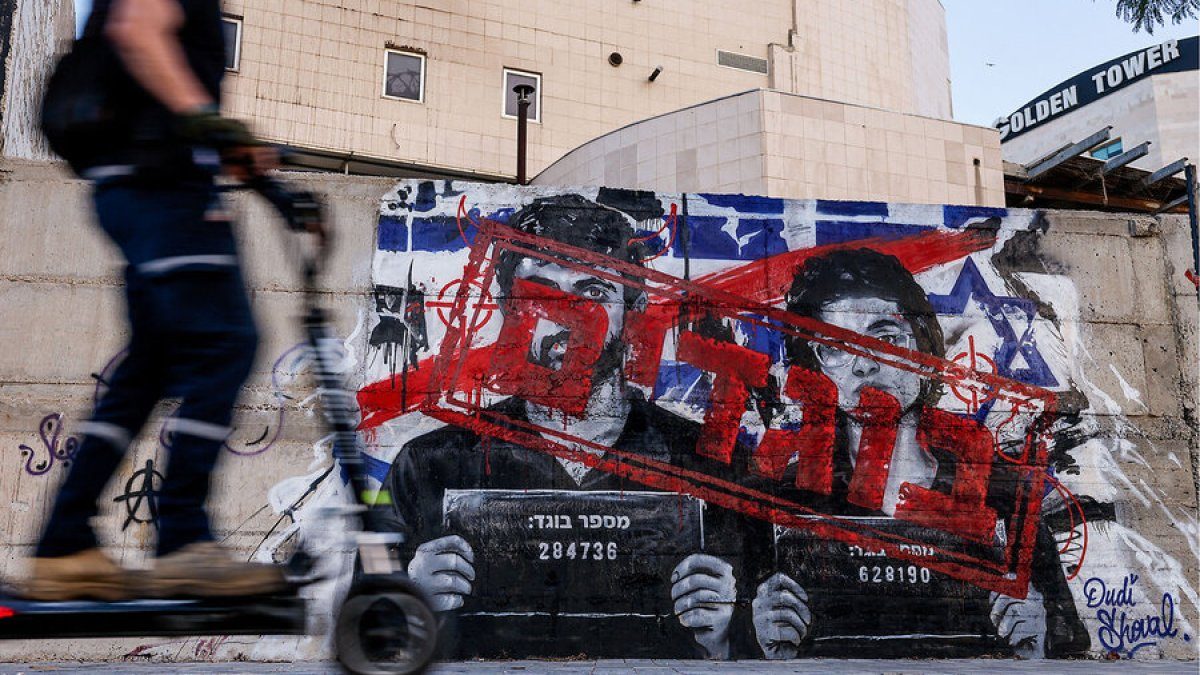
A new documentary titled "NAZA," by Israeli filmmakers Yuval Abraham and Rachel Szor, has reignited debate over previously reported allegations concerning the Israeli military's actions in Gaza. While the film garnered significant attention at the Venice Film Festival, it faced fierce criticism from a broad spectrum of figures in Israel, including politicians and media personalities. This reaction highlights the country's political polarization and heightened tensions ahead of the upcoming October elections.
Highlights
- The "NAZA" documentary addresses allegations such as the Israeli military using AI for target generation in Gaza and causing civilian casualties.
- Israeli Culture Minister Miki Zohar called for the directors to be stripped of their citizenship and investigated for treason.
- Army chief Eyal Zamir dismissed the film as a "blood libel" and initiated a legal probe into its sources.
- Prime Minister Benjamin Netanyahu cited the film while advancing legislation to revoke citizenship from those deemed to be slandering soldiers.
- Israeli journalists and political scientists note that the country's media has become part of the war effort, suppressing critical voices.
Details
Many of the allegations in the documentary are based on reports from April 2024, which claimed that Israeli military officials used artificial intelligence systems to identify targets in Gaza, often leading to the deaths of entire building occupants while targeting a single individual. Accusations of genocide, deliberate famine, and unlawful killing of children are also featured in the film. However, these claims had not previously received extensive coverage in Israeli media.
Despite receiving a 25-minute standing ovation at the Venice Film Festival, the film unleashed a storm of outrage in Israel. In addition to Minister Zohar's call, even Netanyahu's rivals, such as former Prime Minister Naftali Bennett and former military chief Gadi Eisenkot, condemned the film as displaying "moral blindness" and being a "horrific blood libel." A study revealing that only 3 percent of Channel 12's coverage of the war's first six months mentioned Gaza's humanitarian crisis underscores the media's biased approach.
Why it matters
This incident highlights the pressure on freedom of expression and media independence in Israel. The efforts by the country's political and media elites to suppress criticism of military actions in Gaza deeply influence public perception of the war. The documentary and the subsequent reactions are seen as indicators of deep polarization within Israeli society and the current government's intolerance towards critical voices.