Netanyahu Bloc Leads in Israeli Elections, But No Clear Majority Achieved
With nearly 90% of votes counted in Israel's general election, Prime Minister Benjamin Netanyahu's bloc is ahead, but neither group is expected to secure a majority to form a government.
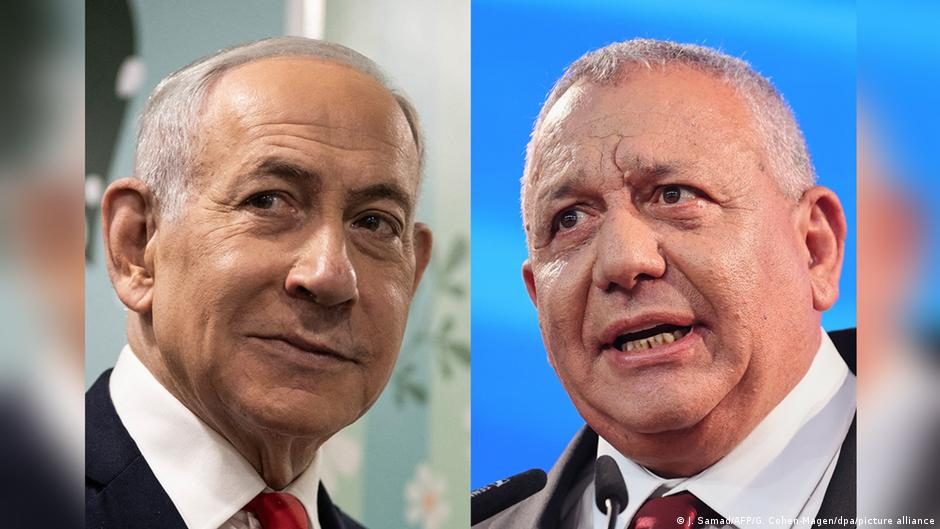
In Israel's recent general election, with approximately 90% of the votes tallied, the bloc led by Prime Minister Benjamin Netanyahu holds a lead over the opposition alliance headed by Gadi Eisenkot. However, neither bloc appears to have secured the 61 seats required to form a government in the 120-seat Knesset (Israeli parliament), signaling potentially challenging coalition negotiations ahead.
Highlights
- Netanyahu's bloc is projected to win 53 seats, based on 89.8% of counted ballots.
- The opposition bloc, led by Gadi Eisenkot, is set to secure 48 seats.
- Two major Arab parties have achieved a record 19 seats combined.
- Both Netanyahu and Eisenkot have shown reluctance to collaborate with Arab parties.
- Around 430,000 to 480,000 "double-envelope" ballots, cast by soldiers, prisoners, and diplomats, are yet to be fully counted and could significantly impact the final outcome.
Details
According to data from the Israeli Central Election Committee (CEC), Prime Minister Benjamin Netanyahu's bloc is leading with 53 seats, while the opposition alliance led by former military commander Gadi Eisenkot has 48 seats. Both blocs fall short of the 61 seats needed to form a government. Notably, the Arab parties have achieved a significant milestone, collectively securing 19 seats, surpassing their previous high of 15 seats.
Netanyahu has ruled out working with the Arab parties, although some parties within Eisenkot's bloc might be open to the idea, despite Eisenkot's prior rejections. The counting of "double-envelope" ballots, which account for nearly 10% of the total votes and are cast by soldiers, prisoners, and diplomats abroad, began on Thursday and could still influence the final seat distribution. While a full vote count is tentatively expected by Friday, official finalized results are not due until November 4.
Why it matters
The absence of a clear winner in the election could plunge Israel into weeks of political uncertainty. President Isaac Herzog has urged all parties to approach coalition negotiations with an open mind, emphasizing the need to avoid another round of elections. Israel has experienced five general elections between April 2019 and November 2022 due to similar difficulties in forming or maintaining coalition governments. This situation continues to test the country's ability to establish a stable government.