Flash Floods Kill Five in Syria, Including Four Children
Flash floods caused by heavy rains in northern and eastern Syria have resulted in the deaths of five people, including four children, with five others still missing.
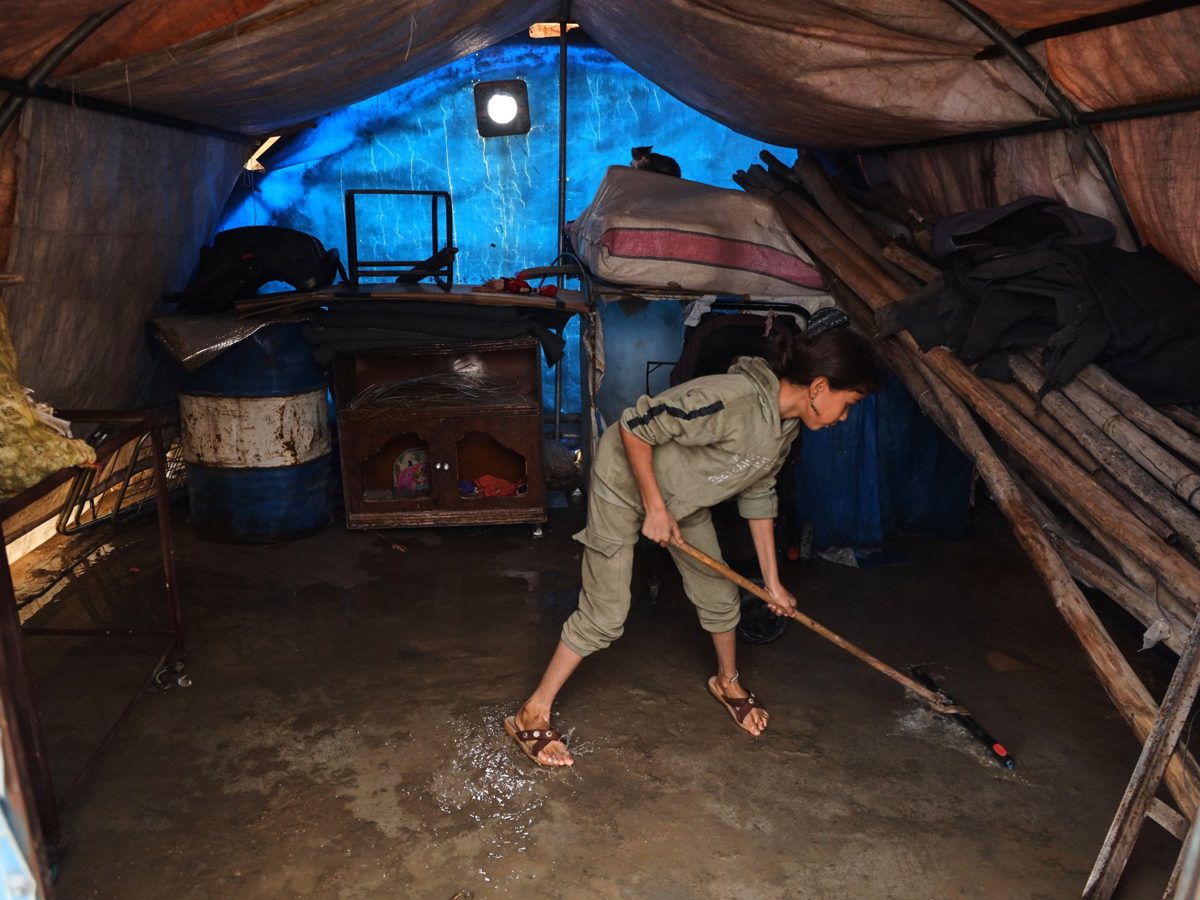
Heavy rains and subsequent flash floods in northern and eastern Syria have led to tragic loss of life. A total of five people, including four children, have died, and five individuals are currently reported missing.
According to a statement from the Ministry of Emergency and Disaster Management, the fatalities occurred in the Raqqa and Deir Az Zor governorates. The region's infrastructure has also sustained significant damage.
Highlights
- Five people have died in Syria due to flash floods caused by heavy rains.
- Four of the deceased were children, who drowned in Raqqa and Deir Az Zor governorates.
- A man died after his car was caught in floodwaters in rural Raqqa.
- Five other individuals, including two children, remain missing.
- An important bridge connecting Raqqa to Aleppo collapsed, and infrastructure damage was reported in several areas.
Details
The Ministry of Emergency and Disaster Management confirmed that four children drowned in bodies of water across Raqqa and Deir Az Zor governorates. Additionally, a man lost his life when his car was engulfed by floodwaters near the al-Salmani Bridge in the western Raqqa countryside. Search operations are ongoing for the five missing individuals.
The severe rainfall has damaged infrastructure in governorates such as Aleppo, Raqqa, Deir Az Zor, Hasakah, and Homs. Notably, the collapse of the al-Salmani Bridge, west of Tabqa, has closed the road linking Raqqa to Aleppo. Emergency teams successfully rescued 15 civilians whose vehicles were trapped by floodwaters and evacuated approximately 375 families from three camps on the rural outskirts of Raqqa.
Why it matters
Syria continues to face natural disasters alongside the ongoing challenges of its internal conflict. This latest flood disaster further weakens the country's already fragile infrastructure and poses significant risks, particularly for the displaced and vulnerable population. As UNICEF previously reported, 17,000 people had been affected by flooding earlier in the year, with 700 families displaced and water treatment plants rendered inoperable. This situation exacerbates humanitarian needs and complicates the country's recovery efforts.