Israel Returns 22 Stolen Ancient Artifacts to Greece
Israel has officially returned 22 ancient artifacts, reportedly stolen from Greece, marking a significant cultural exchange amid strengthening ties between the two nations.
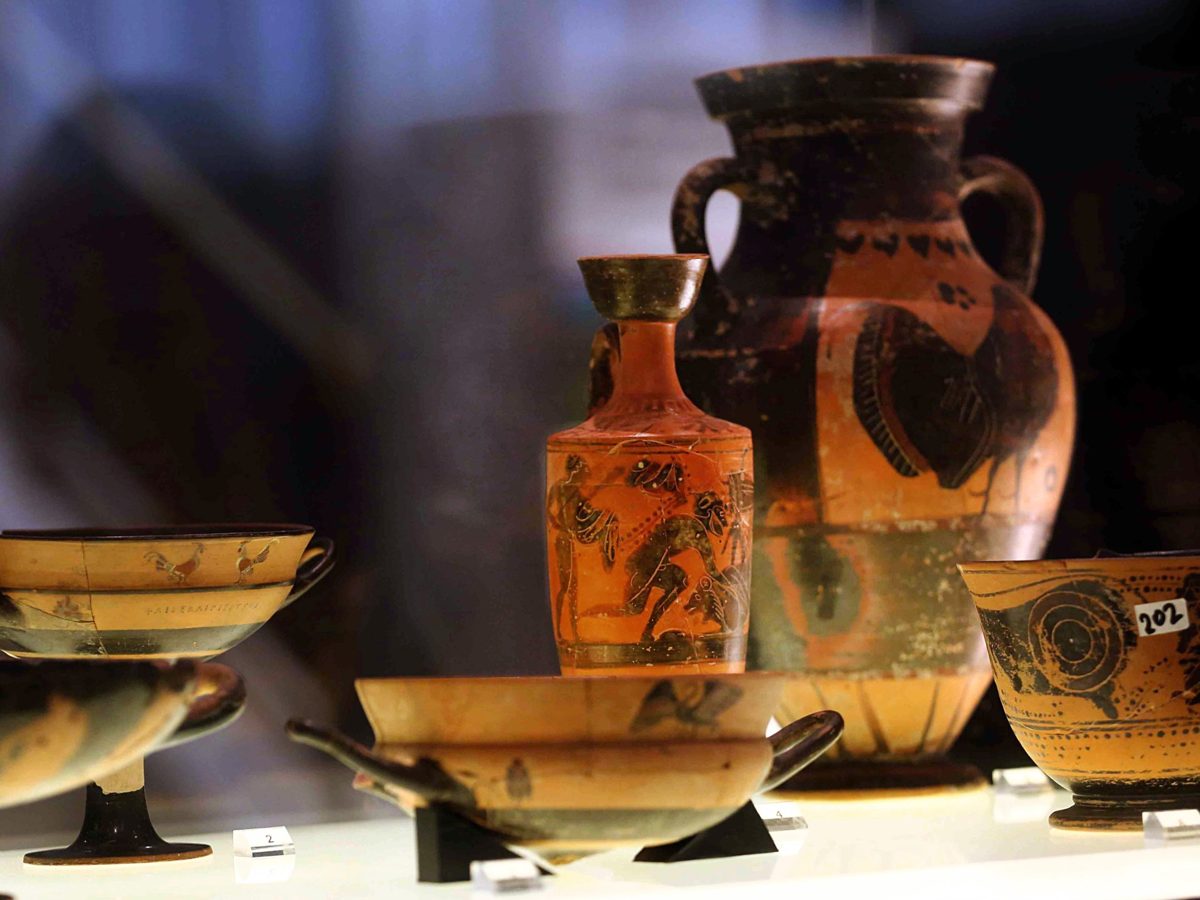
Israel has returned 22 ancient artifacts that were stolen from Greece, a cultural exchange that coincides with the strengthening of ties between the two countries. The restitution ceremony took place at the National Archaeological Museum in Athens.
Highlights
- Israel officially returned 22 ancient artifacts that were stolen from Greece.
- The collection includes 15 Attic vases, 6 Corinthian vases, and a bronze female statuette.
- This marks the first time Israel has returned antiquities to Greece.
- Greek Minister of Culture Lina Mendoni stated it would foster closer cooperation in cultural heritage protection.
- The return occurs during a period of enhanced energy and defense cooperation between the two nations.
Details
The items, located by the Israel Antiquities Authority's Theft Prevention Unit, were handed over to Greek Minister of Culture Lina Mendoni at a ceremony held at the National Archaeological Museum in Athens. Pninat Yanay, Israel’s ambassador to Greece, commented that the return of these antiquities creates conditions for further strengthening cooperation between Greece and Israel.
Among the returned artifacts are 15 Attic vases, 6 Corinthian vases, and a bronze female statuette, all significant pieces of ancient Greek civilization. Officials from both Greece and Israel did not disclose details regarding how the artifacts were discovered in Israel or the specific circumstances of their illegal removal from Greece.
Why it matters
This event signifies a deepening of diplomatic and cultural relations between Israel and Greece. The two nations, which have recently forged significant agreements in energy and defense, have now found common ground in the protection of cultural heritage. As Greek Culture Minister Mendoni noted, "Every return of a cultural object to its place of origin has a broader symbolic and moral dimension," highlighting the importance of international cooperation in safeguarding cultural heritage.