Exhibition Highlights Sami Lives in Sweden Amidst State Abuse Report
A long-awaited report on state abuses against the Sami people in Sweden coincides with an exhibition of pioneering Sami author Johan Turi's works.
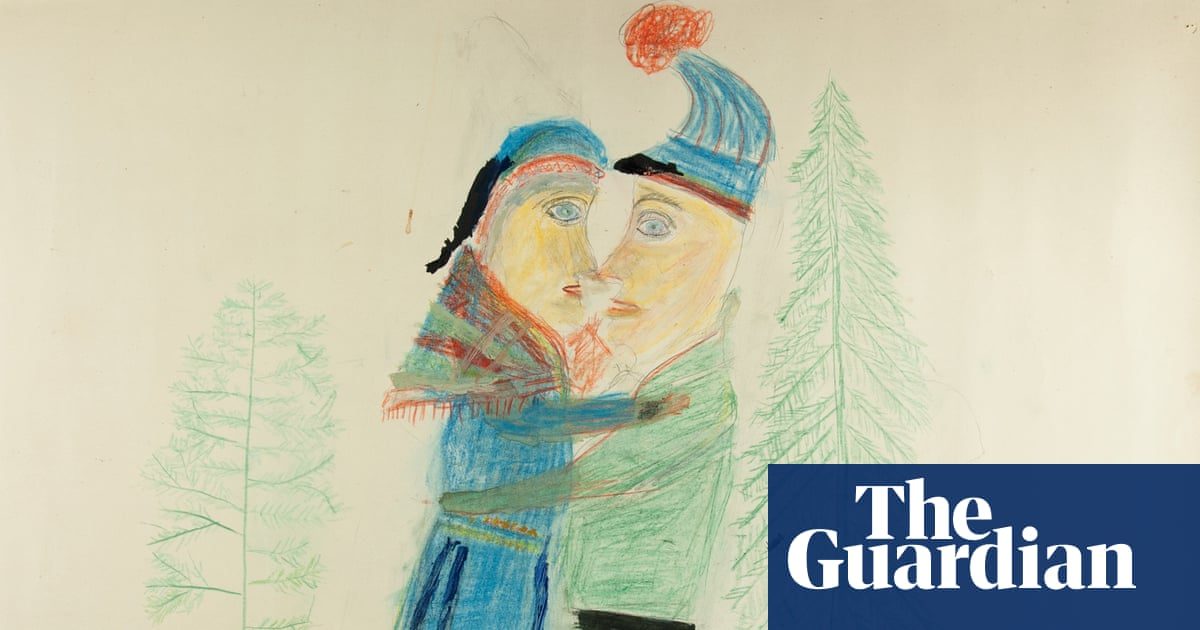
A report by the Truth Commission for the Sami People, investigating state abuses against the Indigenous Sami in Sweden, was submitted to the government this week. This significant event is marked by an exhibition at the Kin Museum of Contemporary Art in Kiruna, featuring the works of Johan Turi, a pioneering Sami author who documented Sami life at the turn of the 20th century.
The exhibition showcases Turi's writings, drawings, paintings, and traditional Sami handicrafts (Duodji), displayed publicly for the first time in almost 100 years. Titled "On the Ugly and the Beautiful," the exhibition draws inspiration from Turi's belief that everything, both positive and negative, deserves to be shown.
Highlights
- Truth Commission Report: A report detailing state abuses against the Sami people in Sweden has been handed over to the government.
- Johan Turi Exhibition: The works of Sami author Johan Turi are on display at the Kin Museum, marking their first public showing in nearly a century.
- Ongoing Struggles: The Sami people continue to face challenges similar to those Turi documented, including industrial encroachment and discrimination, 100 years later.
- Contemporary Art: The exhibition also features works by contemporary Sami artists, Outi Pieski and Johanna Minde, alongside Turi's creations.
- Decolonial Feminism: The revival of the ládjogahpir, a traditional Sami women's hat, is celebrated as a new symbol for decolonial feminism.
Details
Johan Turi was born in Guovdageainnu (Kautokeino), in the Norwegian part of Sápmi, in 1854. His family, reindeer herders, moved to Kiruna, Sweden, as national borders increasingly impacted Sami life. Turi's 1910 book, "Muitalus sámiid birra" (An Account of the Sami), aimed to accurately portray the lives of Europe's only recognized Indigenous people. The book was published in Sami and Danish before being translated into Swedish seven years later.
According to museum director Maria Lind, Turi wanted his book to help the Swedish population understand the difficulties faced by the Sami. Lind stated, "He wanted the king to read his book because he felt if the king knew then things would change. Most likely the king did not read his book, but it became a success." Turi's work is presented alongside that of contemporary artists like Outi Pieski and Johanna Minde. Pieski believes Turi's writings initiated the current process of truth and reconciliation.
The problems confronting the Sami today echo those Turi would recognize. Industry, particularly the search for rare earth minerals and wind energy, poses a growing threat to reindeer herding and nature. Anti-Sami rhetoric is also on the rise, despite the apparent progress symbolized by the truth commission's report. The escalating impact of the climate crisis, especially visible in Arctic regions, adds another layer of challenge.
Why it matters
This exhibition and report are crucial for preserving Sami cultural heritage and acknowledging historical injustices committed by the state. Turi's works serve as a timeless testament to Sami identity and struggle, bridging the past and present. The report is intended to form the basis for reparation and reconciliation discussions, while the exhibition underscores the resilience and richness of Sami culture.