Qatar Warns Global Energy Shocks from Iran War Have Not Peaked Yet
Qatar's Deputy Prime Minister stated that the global energy shocks from the US-Israel attacks on Iran have yet to peak, with further disruptions expected.
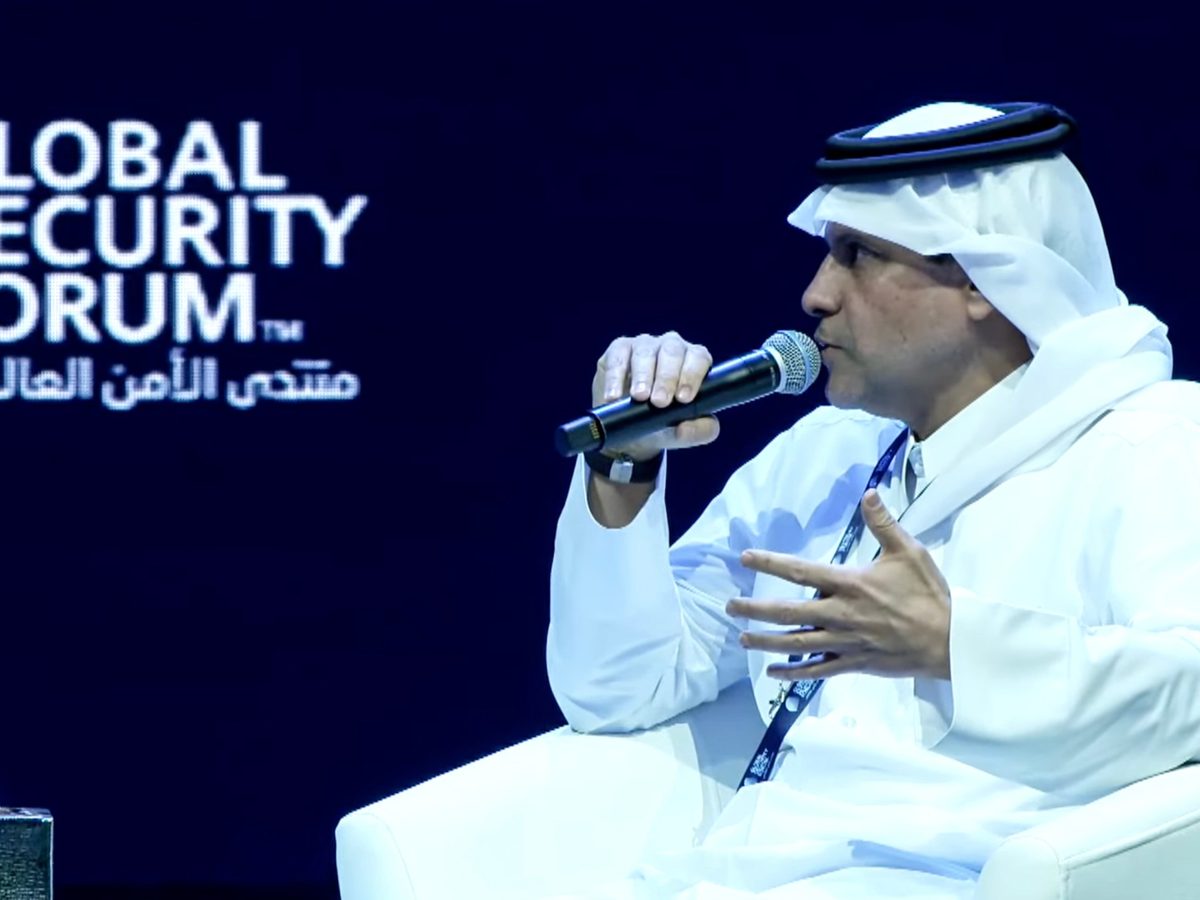
Qatar's Deputy Prime Minister and Minister of State for Defense Affairs, Sheikh Saoud bin Abdulrahman Al Thani, warned that the global energy shockwaves stemming from the US-Israel war on Iran have not yet reached their peak. Speaking at the Global Security Forum in Doha, Al Thani expressed concerns about further disruptions to supplies, international trade, and economic growth, highlighting the instability in the Strait of Hormuz.
Highlights
- Qatar's Deputy PM warned that global energy shocks from the US-Israel war on Iran are yet to peak.
- He rejected the imposition of transit fees on ships passing through the Strait of Hormuz, stating it would affect global consumers.
- Al Thani affirmed ongoing dialogue with Iran and supported mediation efforts for regional conflict resolution.
- He highlighted Qatar's strengthened defense ties with the US and announced plans for a new regional defense partnership.
- Iranian strikes on Qatar's Ras Laffan industrial complex in March caused damage, with repairs expected to take several years.
Details
Sheikh Saoud bin Abdulrahman Al Thani emphasized the critical importance of the Strait of Hormuz for global oil and liquefied natural gas (LNG) shipments, especially amid continued instability following the US-Israeli attacks on Iran. He noted that Iranian strikes on Qatar's Ras Laffan industrial complex in March damaged facilities, with repairs anticipated to take several years. Al Thani mentioned that there has been "a lot of discussion with Iran" since the attack, and Qatar has learned lessons to protect its assets from unexpected assaults.
Al Thani stated that Qatar maintains communication with Tehran at various levels despite disagreements. He expressed hope that mediation efforts involving Qatar, Pakistan, and Oman would help achieve an agreement between the United States, Iran, and other parties, including Israel. He also suggested developing economic ties with Iran to prevent future conflicts, citing cooperation between France and Germany after decades of hostilities, saying, "Iran is our neighbour. We need to find ways to live with them."
Highlighting Qatar's long-standing defense partnership with Washington, Al Thani said that "more than 90 percent" of attacks had been prevented through shared expertise and military capabilities. He confirmed the ongoing development of Al Udeid airbase, which hosts US forces, and announced plans for a new regional defense partnership focusing on air defense, counter-drone measures, and cybersecurity.
Why it matters
Qatar's warnings underscore the severe potential impact of escalating tensions in the Middle East on global energy markets and trade. The security of the Strait of Hormuz and the potential for disruptions to energy supplies pose significant risks to the world economy. Qatar's dual approach of maintaining dialogue with Iran while strengthening its defense capabilities reflects the complex regional dynamics and the pursuit of stability.