Burst Pipe Floods Rare Wildlife Meadow for Fourth Time, Jeopardizing Conservation Efforts
A critical conservation site in Oxfordshire, Long Mead Local Wildlife Site, has been flooded for the fourth time due to a burst water main, threatening vital restoration work and funding.
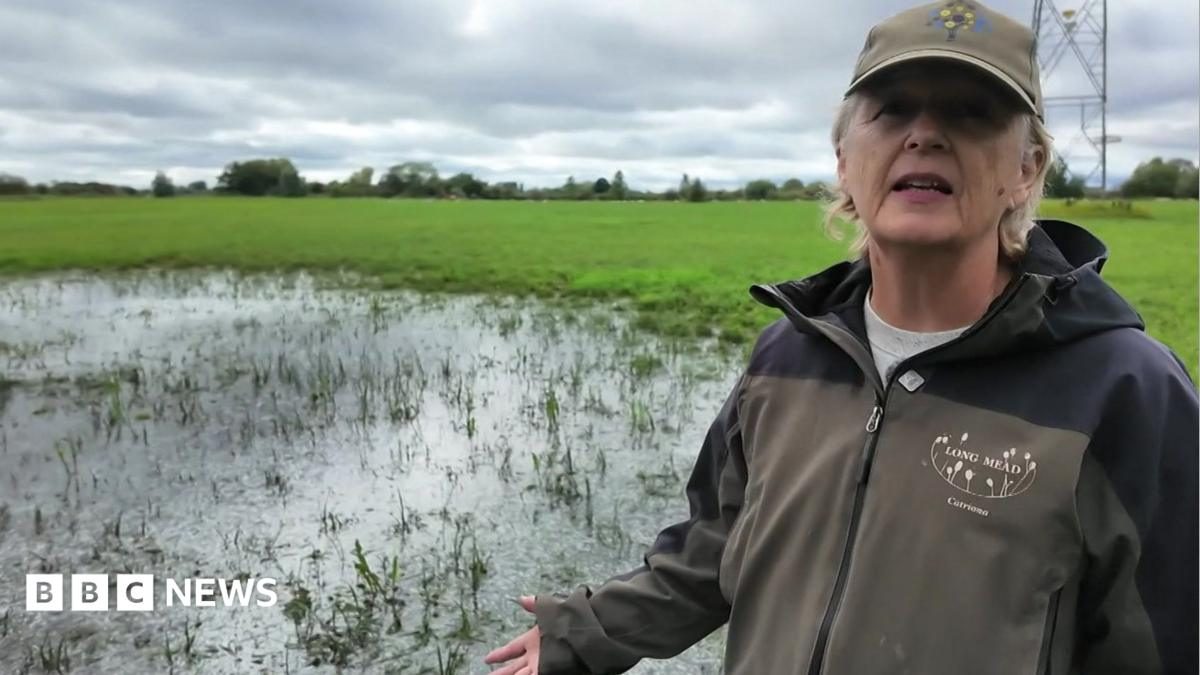
The Long Mead Local Wildlife Site in Oxfordshire, England, a rare floodplain meadow, has been inundated for the fourth time due to a burst water main. This repeated flooding is causing frustration among conservationists, who fear losing a crucial funding grant for their ongoing restoration efforts.
Highlights
- Long Mead Local Wildlife Site in Oxfordshire has experienced its fourth flood due to a burst water pipe.
- The flooding is occurring during the growing season, potentially damaging rare plant species and the habitat.
- Conservation work and a secured grant are at risk if restoration efforts cannot be completed on time.
- Thames Water stated the latest leak has been fixed and they are committed to protecting local wildlife sites.
- Long Mead serves as a vital 'donor site' where seeds are collected to restore other similar habitats in the region.
Details
Long Mead, situated by the River Thames, is a floodplain meadow that naturally floods in winter. However, summer flooding is particularly damaging as plants are actively growing. Catriona Bass, director of the Long Mead Foundation, emphasized the severity, stating, "It's already starting to stagnate, so that's serious." She added, "These meadows don't flood typically in summer and when they do it's a disaster because the plants are growing - so it kills off the plants."
This site is central to a broader restoration program aimed at boosting this specialist habitat across the county, as only four square miles of floodplain meadow remain in the country. This rare habitat supports deep-rooting wildflowers and grasses, such as great burnet and devil's-bit scabious. The latter is crucial for a wide range of pollinators, including the declining Marsh Fritillary butterfly.
Long Mead acts as a donor site, providing seeds for transplantation to other restoration areas around Oxfordshire. Volunteers have hand-grown over 11,500 individual specialist plants. The most recent flooding was discovered on the very day restoration works were scheduled to begin following the previous incident. Conservationists are concerned that a grant secured by the charity is now at risk if the work cannot be completed promptly. Thames Water apologized for the disruption and stated they would continue to assess the water main's condition and review future safeguarding measures.
Why it matters
These recurring floods jeopardize critical conservation efforts for rare floodplain meadows in England. These habitats are vital for biodiversity, supporting numerous plant and insect species. Failures in water infrastructure undermine natural habitat restoration efforts, potentially leading to long-term environmental consequences and risking the funding of crucial conservation projects.