Royal Observatory's Astronomy Photographer of the Year Award Goes to Shark Nebula Image
The Royal Observatory Greenwich's Astronomy Photographer of the Year competition was won by Ali Alobaidly for his stunning image of the Shark Nebula.
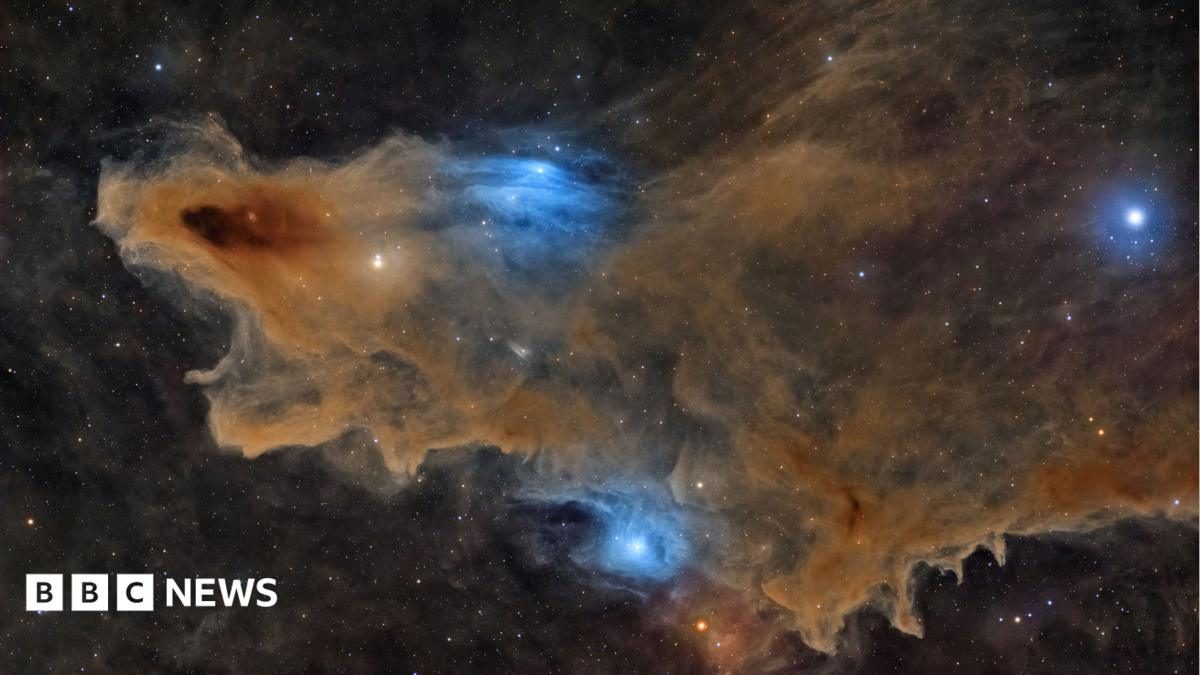
The Royal Observatory Greenwich has announced the winner of its annual Astronomy Photographer of the Year competition. Kuwaiti photographer Ali Alobaidly claimed the top prize for his captivating image of the Shark Nebula. Alobaidly received a £10,000 cash prize and expressed his hope to use his photography for science communication and education.
Highlights
- Ali Alobaidly was named Astronomy Photographer of the Year for his image of the Shark Nebula.
- The competition received nearly 4,000 entries from 66 countries.
- The Shark Nebula is a dark nebula composed of interstellar dust, located 650 light-years away from Earth.
- The Young Astronomy Photographer of the Year award went to 15-year-old Nikolaos Strimpoulis for his photograph showcasing the Moon's mineral composition.
- An exhibition of the winning and highly commended images will be on display at the National Maritime Museum, London, starting September 18.
Details
Ali Alobaidly's entry, captured in Kuwait and submitted in the Stars and Nebulae category, earned high praise from the judges. Steve Marsh, a judge and art editor at BBC Sky at Night Magazine, commended Alobaidly's image for its "flawless presentation, pin-sharp details and dynamic contrast." Marsh added that while the Shark Nebula is inherently striking, seeing detail-rich distant galaxies through it made the image truly special.
Nikolaos Strimpoulis, 15, won the ZWO Young Astronomy Photographer of the Year award for his 'Mineral Moon' image, taken in Palaio Faliro, Greece. This close-up of the lunar surface highlights dark areas known as maria and bright highlands, with orange and blue hues resulting from iron and titanium deposits. Judge Marsh noted that many astrophotographers start with the Moon, but few delve into its subtle mineral colors so early, praising the young photographer's perfectly developed coloring.
Why it matters
This competition not only showcases talent and technological advancements in astrophotography but also aims to boost public interest in space and science. The winning photographs effectively convey the beauty and complexity of the universe to a broad audience, significantly contributing to science communication. Awards, especially those won by young individuals, have the potential to inspire future generations to pursue science and astronomy.