Is the Cuban Revolution Nearing its End? US Pressure Mounts, Legacy Debated
With increasing US pressure on Cuba, there are claims that the Cuban Revolution may be nearing its end, sparking debate on its global impact.
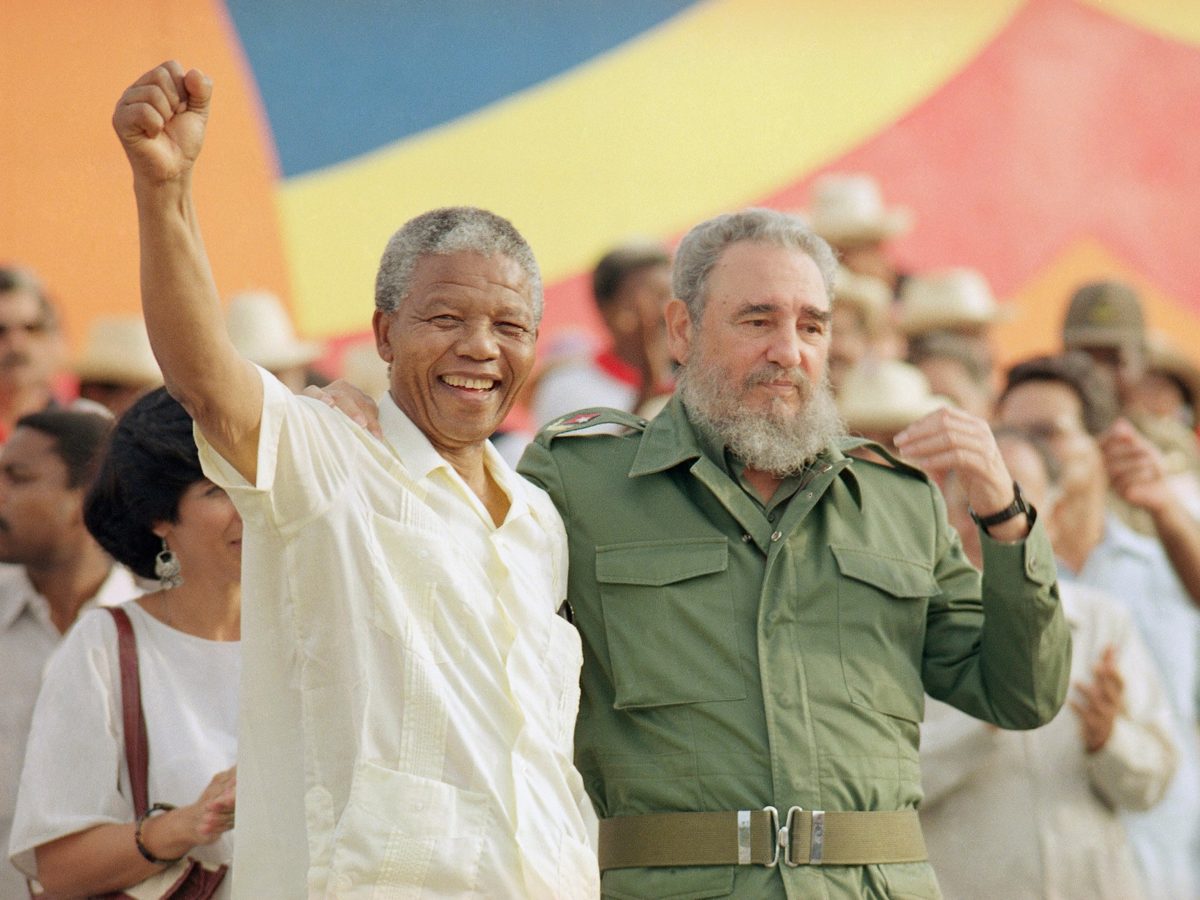
The Cuban Revolution may be nearing its end, as pressure from the United States intensifies. Washington's operations in Venezuela earlier this year are widely seen as having paved the way for a similar undertaking on the Caribbean island. US officials have repeatedly stated their desire for "Cuba to be free," and recent reports indicate increased US military activity nearby.
These developments prompt a reflection on the outsized role this nation of 10 million people has played on the world stage. Cuba has often acted as a "trickster" challenging US hegemony, offering a distinct perspective in international relations.
Highlights
- US pressure on Cuba is escalating, marked by military activities and political statements.
- The Cuban Revolution has endured for over 60 years despite a severe US embargo.
- Cuba sent nearly 400,000 doctors and professionals to 164 countries as part of its international solidarity programs.
- Fidel Castro used an incident of discrimination in New York in 1960 to draw parallels with the US civil rights movement, gaining international attention.
- Key failings of the revolution include the denial of political rights and the suppression of freedom of expression.
Details
Cuba's influence on the global geopolitical scene became particularly evident during the Cold War. In 1960, when Fidel Castro visited New York to address the United Nations General Assembly, he was denied service by prominent hotels. He then moved to the Hotel Theresa in Harlem, drawing attention to racial segregation in the US and solidifying Cuba's image as a "trickster."
Subsequently, Cuba launched its "Cuban Internationalism" program, sending doctors, engineers, and agricultural technicians to 164 countries. This initiative garnered significant affection in the Global South, serving as an alternative to US soft power efforts like the Peace Corps. Cuba's successful repulsion of the Bay of Pigs invasion and its support for Palestinian liberation and anti-apartheid struggles further demonstrated its defiance of US policies.
Despite a more than 60-year-long US economic embargo, Cuba has persevered. Following the collapse of the Soviet Union, it diversified and liberalized its economy, leveraging its international solidarity network to survive a profound economic crisis. Cuba has, at various points, surpassed the US in literacy rates, infant mortality, and life expectancy, challenging the "third world" label often imposed upon it.
Why it matters
The potential fall of the Cuban Revolution raises concerns about a world dominated by unquestioned empires and techno-feudal overlords. Despite its flaws, Cuba represented an alternative to US hegemony. The loss of this dissenting voice could accelerate a shift towards a more uniform global order. While its demise might be celebrated in Miami, it would be mourned elsewhere as the loss of a unique alternative in international affairs.