Decades-Old Standoff Returns to Northern Ireland
An old parade dispute between Catholic and Protestant communities in Northern Ireland has reignited decades later, threatening the fragile peace.
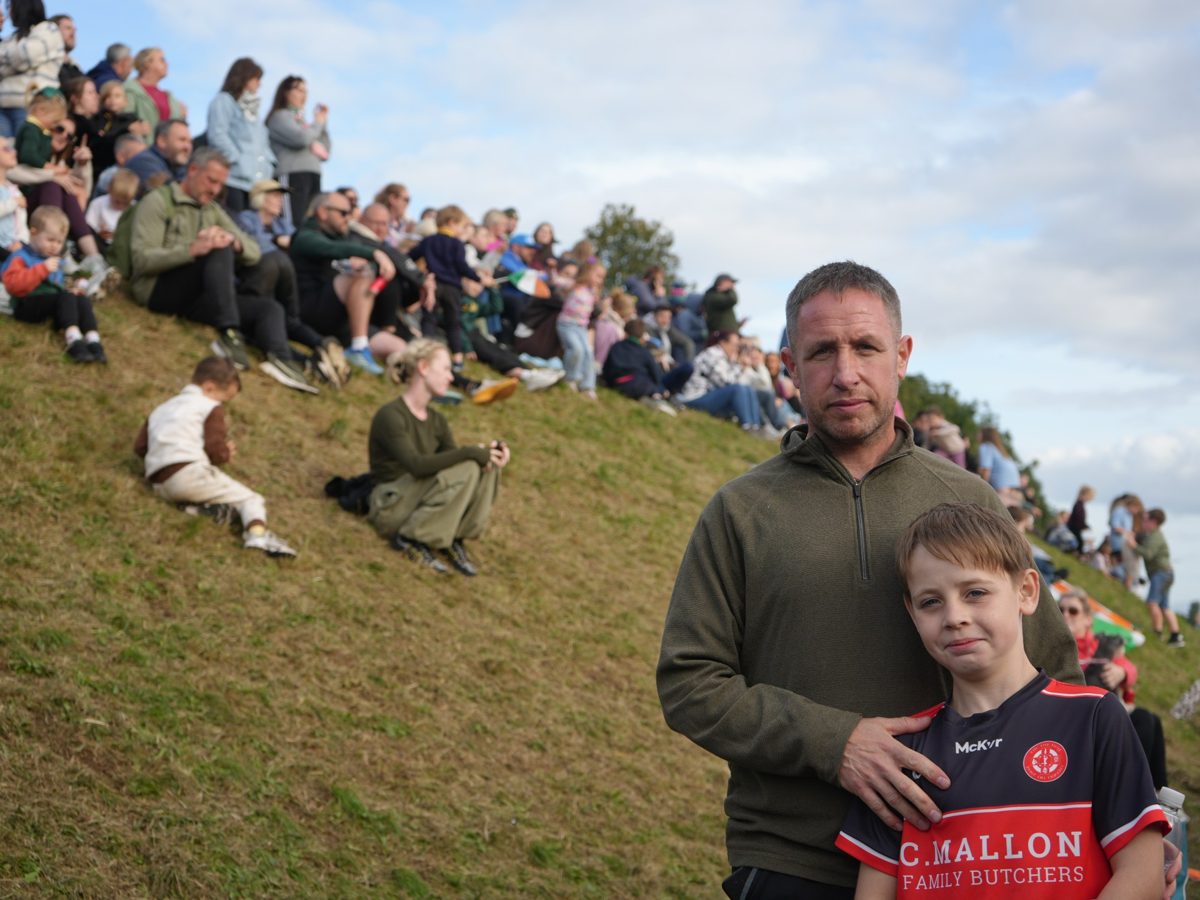
A long-standing dispute in Portadown, Northern Ireland, regarding the Protestant Orange Order's request to march through a Catholic neighborhood, has resurfaced, reigniting decades-old tensions. This development threatens the peace established by the 1998 Good Friday Agreement and brings past traumas back to the forefront. Events from the late 1990s, in particular, remain vivid in the memories of local residents.
Highlights
- High Court ruling: A recent High Court decision allowed the Orange Order's parade to proceed, leading Catholic residents to block the road in protest.
- Lingering trauma: Many, including the family of lawyer Rosemary Nelson, who was killed in a car bombing in 1999, fear the pain of the past is being passed to a new generation.
- Ongoing tension: A tense standoff continues on Garvaghy Road in Portadown, with Orange Order members gathered and Catholic residents blocking the route, awaiting police permission.
- Quest for justice: Human rights groups are demanding public inquiries into deaths linked to the Drumcree dispute, investigating allegations of collusion between the British state and loyalist paramilitaries.
Details
The conflict known as "The Troubles" in Northern Ireland began in the late 1960s with Catholic protests against discrimination, resulting in over 3,500 deaths. The 1998 Good Friday Agreement established a framework for peace and power-sharing, bringing relative peace to the region for 28 years. However, the Orange Order's desire to march from Drumcree Church along Garvaghy Road in Portadown has the potential to disrupt this peace.
The Orange Order claims to have used this route since 1807, while Catholic residents object to an anti-Catholic organization parading through their predominantly Catholic neighborhood. The latest decision by the Parades Commission permitted 35 men to march without music, but Catholic residents have blocked the road in protest. Irish nationalists have criticized the police assessment underpinning the decision, while unionists have denounced the police for failing to forcibly remove protesters.
Why it matters
This situation highlights the fragility of peace in Northern Ireland and how alive the scars of past conflicts remain. The parade dispute brings deep community divisions and mistrust back to the surface, raising the risk that new generations will also bear this historical burden. Unresolved quests for justice and allegations of collusion between the state and paramilitaries pose a significant obstacle to lasting peace in the region.