Mecca Defense Alliance Officials to Engage in Talks in Iran Amid Regional Tensions
High-level representatives from the Mecca Defense Alliance are set to meet in Tehran, marking the first such contact with Iran since Houthi attacks intensified.
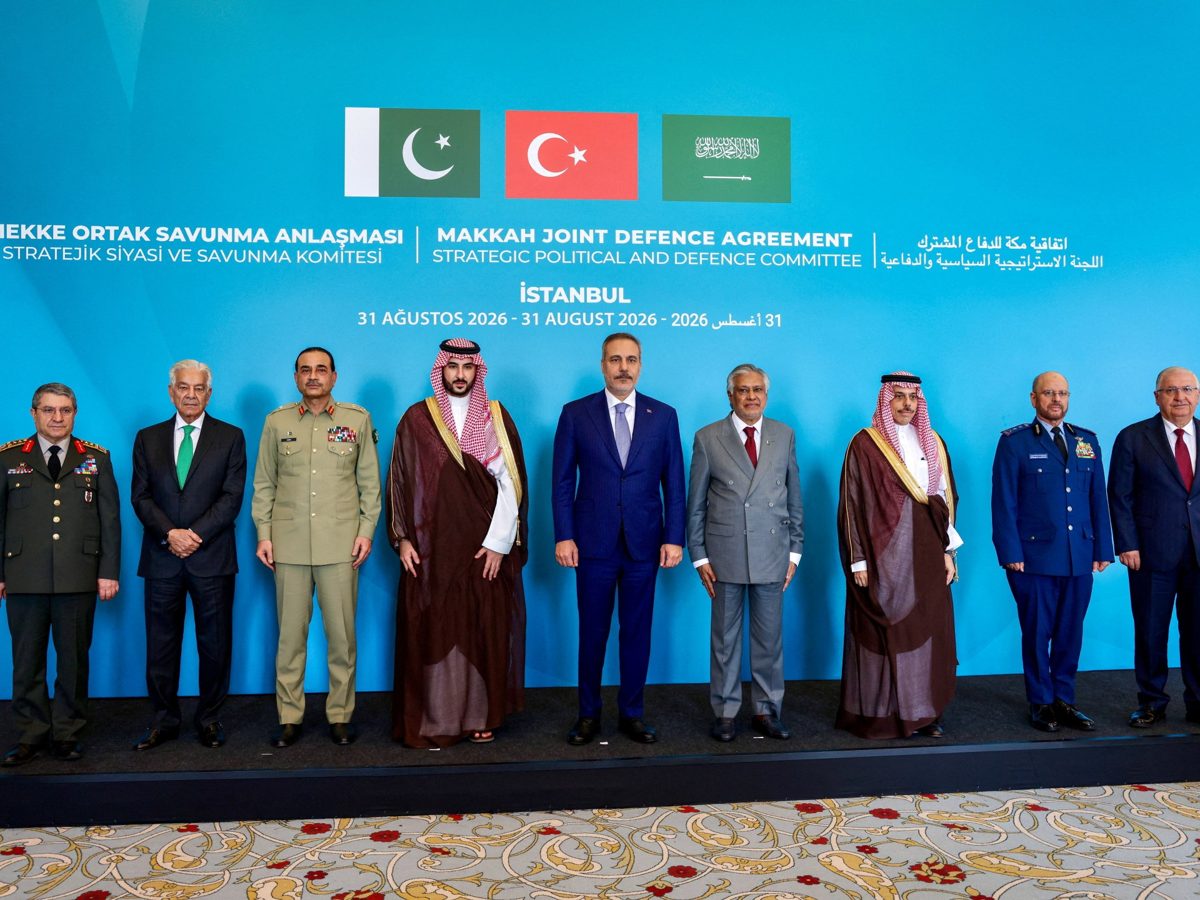
Highlights
- The upcoming discussions represent the first high-level engagement between Iran and members of the Mecca Defense Alliance since Houthi rebels escalated their assaults on Saudi Arabia.
- According to Ali Bagheri Kani, Deputy Secretary of Iran’s Supreme National Security Council, attendees will include Saudi Defense Minister Khalid bin Salman Al Saud, Pakistan's military leader Asim Munir, and Turkey's intelligence chief Ibrahim Kalin.
- Rayed Krimly, Saudi Deputy Minister for Public Diplomacy, indicated the visit aims to foster de-escalation and diplomatic solutions, supporting mediation efforts by Qatar and Pakistan.
- The Mecca Defense Alliance, established in August, operates under an agreement where an attack on one member is viewed as an attack on all.
Details
Iran's delegation will be led by Mohsen Rezaei, the Secretary of the Supreme National Security Council. Bagheri Kani suggested that these nations could make significant progress in establishing regional security through collaborative action. Saudi officials emphasized that the visit aligns with the alliance's ongoing commitment to bolster security and stability across the region.
Last week, Pakistan's Field Marshal Munir visited Tehran, engaging with Iranian President Masoud Pezeshkian and other senior figures. During these meetings, Iranian officials communicated that discussions with the United States regarding an end to the US-Israel conflict against Iran would only occur once Tehran's demands are satisfied.
Saudi Arabia recently intercepted incoming projectiles and uncrewed aerial vehicles as hostilities with the Houthis persisted. Earlier this month, ministers from the Mecca Defense Alliance convened an emergency session in Riyadh, agreeing to ensure the prompt deployment of military assets to Saudi Arabia. While Pakistan ratified the alliance pact last week, Turkey's parliament has begun its ratification process.
Why it matters
These discussions hold the potential to reduce escalating regional tensions, particularly in light of increased Houthi attacks on Saudi Arabia. Direct dialogue between the Mecca Defense Alliance and Iran could encourage cooperation and diplomatic resolutions among regional actors, potentially preventing a broader conflict. This is especially crucial given the regional repercussions of the US-Israel conflict involving Iran.