Microsoft Unveils New AI-Focused Surface Hardware and Windows Updates
Microsoft's latest event introduced new Surface devices and Windows 11 updates, emphasizing on-device AI for enhanced performance and security.
Highlights
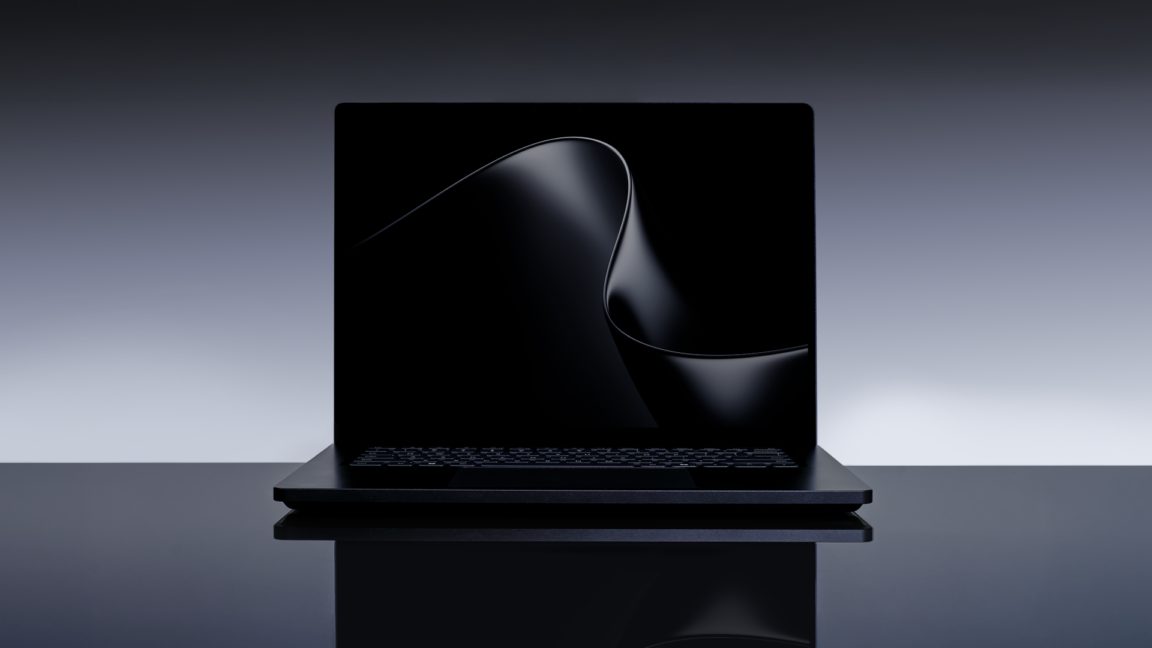
- Surface Laptop Ultra: A new laptop powered by the Nvidia RTX Spark SoC, designed for local AI development and gaming, starting at $2,599.
- Surface RTX Spark Dev Box: A dedicated AI development workstation for developers, priced at $5,999, offering one petaflop of AI processing power.
- Windows 11 Enhancements: Updates include built-in support for local AI model testing, a redesigned Copilot, and the ability to execute system tasks directly from the search bar.
- Microsoft Execution Containers (MXC): A new security framework that ensures AI agents operate securely within a sandboxed environment.
- Hybrid Intelligence: Microsoft's strategic shift towards local, on-device AI solutions, moving away from solely cloud-based approaches.
Details
Microsoft's first live event in two years showcased its commitment to integrating artificial intelligence directly into personal computing. The new Surface Laptop Ultra, initially hinted at in May 2026, will be the first Microsoft device to feature Nvidia's RTX Spark System-on-a-Chip. Available for pre-order and shipping on October 16, this laptop starts at $2,599 and comes with various configurations, including either a 5120-core or 6144-core Blackwell GPU and up to 128GB of LPDDR5x unified memory. Its unified memory architecture allows it to dynamically allocate resources for both demanding gaming and local AI development, demonstrating its versatility.
Alongside the laptop, Microsoft introduced the Surface RTX Spark Dev Box, a specialized device for developers, priced at $5,999. This sleek, anodized aluminum unit, reminiscent of a game console, is equipped with 128GB of unified memory and an integrated Nvidia RTX GPU, delivering an impressive one petaflop of AI compute performance. It ships with a developer-optimized version of Windows 11, specifically tailored for AI development and local AI applications. The physical design of the Dev Box even includes 1,000 chassis air vents, a symbolic gesture to its 1,000 teraflops of AI capability.
Beyond hardware, Microsoft detailed significant updates for Windows 11, set to roll out this fall. These updates will enable out-of-the-box local model testing. The integrated AI assistant, Copilot, will receive a substantial redesign, adopting a three-tab interface. A key new feature will allow users to perform system-level operations directly from the search bar, such as adjusting display settings without needing to open the Control Panel. To address security concerns regarding AI agents, Microsoft also announced Microsoft Execution Containers (MXC), a framework that confines agent activities to a secure sandbox, giving administrators control over agent access and functions.
Why it matters
Microsoft's push for on-device AI represents a significant shift in personal computing, aiming to enhance user experience with faster, more secure, and integrated AI capabilities. By providing powerful tools for developers and smarter features for general users, the company is laying the groundwork for a new era of