Muslims Finding Belonging in Southern Spain's Andalusia
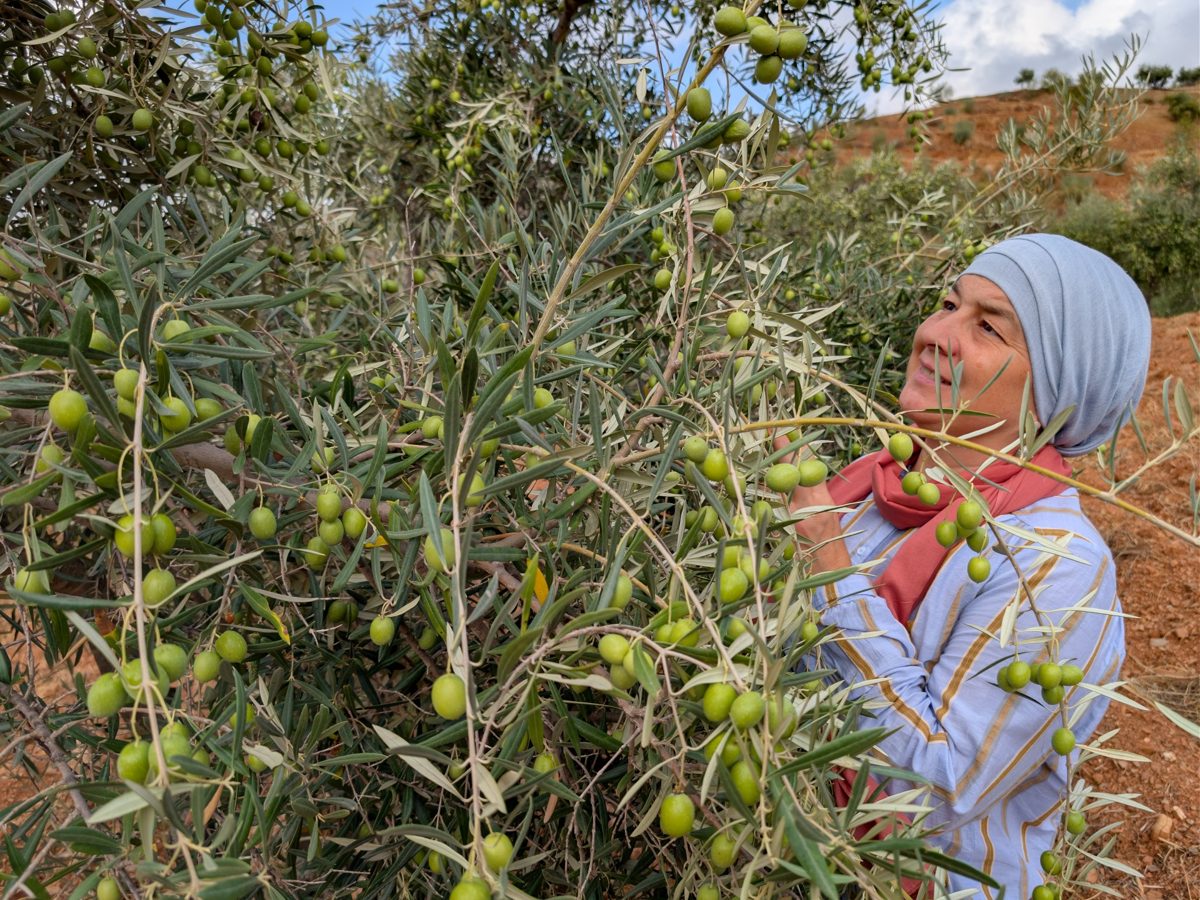
Centuries after the end of Islamic rule, some Muslims are choosing to settle in Andalusia, southern Spain. Drawn by the region's rich Islamic past, these individuals are seeking to build community and reconnect with a profound cultural heritage in modern Spain.
British-Hungarian Muslim Henrietta Szovati and her husband, Ajmal Masroor, are transforming an old farmhouse in Alora, near Malaga, into the "House of Andalus." This project aims to bring people closer to southern Spain's Islamic history and its natural world.
Highlights
- Henrietta Szovati and her husband are developing the "House of Andalus" project in Spain's Andalusia region.
- The project seeks to connect people with the region's Islamic history and natural beauty.
- Szovati states she felt like an "outsider" in Britain but has found a stronger sense of community with neighbors in Andalusia.
- The Arabic origins of local place names and architecture contribute to Muslim interest in the area.
- Despite the far-right Vox party's anti-"Islamisation" rhetoric, Muslims settling here focus on building communities through daily interactions.
Details
Hendrietta Szovati notes that she felt like an "outsider" in Britain, where she has lived since 2001, but finds Spain more "familiar." She and her husband, Ajmal Masroor, are transforming their farmhouse, which sits on 14 hectares with nearly 400 olive trees. Their goal is to reconnect with the region's Islamic legacy, which spans over a millennium.
Even local place names like Aljaima and Alora have Arabic origins. According to historian Tharik Hussain, al-Andalus holds an "Atlantis-like aura" in the Muslim imagination, a sentiment reflected in Muslim literature over centuries. For nearly eight centuries, Muslim dynasties ruled parts of the Iberian Peninsula, leaving behind a rich heritage of horseshoe arches, intricate tilework, and Arabic calligraphy.
While modern Spain has its own economic pressures, social divisions, and a complex relationship with its past, individuals like Szovati choose to focus on community and connections rather than political circumstances. Her daily interactions with neighbors, even those with different beliefs, have made Andalusia feel like home.
Why it matters
This news offers a significant perspective on how identity, belonging, and cultural heritage are perceived in Europe. Muslims settling in Andalusia are driven by a personal search for belonging and an effort to revive the region's rich Islamic history. This highlights the complex dynamics of cultural diversity and confronting the past in contemporary Europe.