Myanmar Leader Visits Malaysia Amid Repatriation Discussions
Myanmar's military leader, Min Aung Hlaing, visited Malaysia for talks on repatriating thousands of Myanmar nationals, despite UN and rights group concerns.
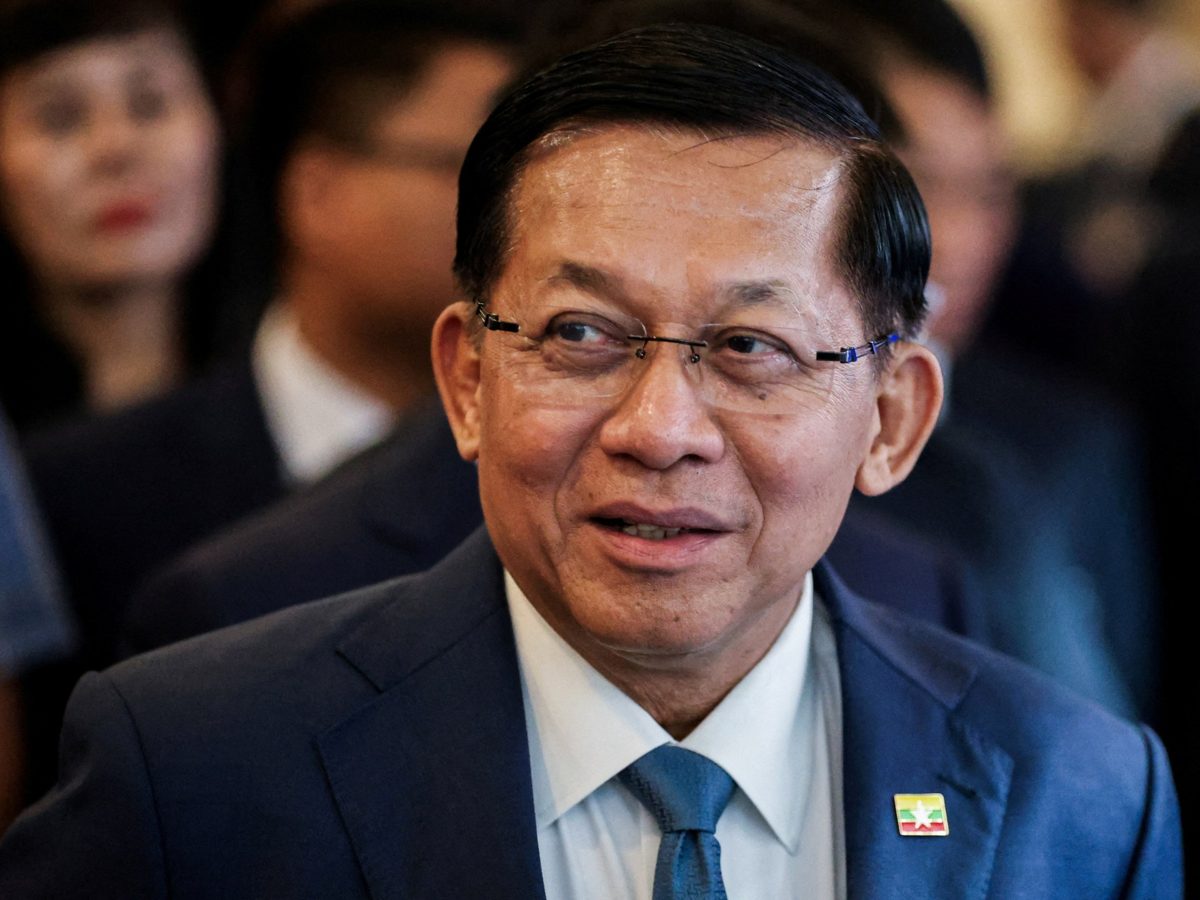
Highlights
- Min Aung Hlaing made his first visit to Malaysia since the 2021 military takeover.
- The primary focus of discussions was the "voluntary, dignified, and safe" return of thousands of Myanmar nationals from Malaysia.
- The United Nations and human rights organizations have voiced concerns about the safety of returnees due to ongoing conflict in Myanmar.
- Malaysian Prime Minister Anwar Ibrahim had previously indicated he would invite Min Aung Hlaing if Myanmar agreed to accept Rohingya refugee returns.
- Malaysia has reported the deportation of approximately 10,000 Myanmar citizens since January.
Details
Min Aung Hlaing landed at Kuala Lumpur International Airport early Wednesday for a two-day visit. This trip coincides with Malaysia's push to send back numerous Myanmar citizens. The Malaysian government stated the visit offered Prime Minister Anwar Ibrahim an opportunity to maintain direct communication with Myanmar. Key topics included the secure and respectful repatriation of all ethnic groups of Myanmar nationals who are currently in Malaysia without proper documentation.
Myanmar has been in a state of unrest since Min Aung Hlaing led a military coup in 2021. This event initiated a civil conflict that has claimed an estimated 100,000 lives and displaced over 3.5 million people. Since assuming the civilian role of president in April, Min Aung Hlaing has traveled to several ASEAN countries, including Thailand, Laos, Cambodia, and Vietnam, as well as to China, India, Russia, and Belarus.
In Malaysia, there has been increasing pressure on undocumented migrants and those seeking refuge, particularly the Rohingya community. Many Rohingya sought safety after a severe military operation in Myanmar's Rakhine state in 2017. Malaysia hosts around 215,600 refugees and asylum seekers registered with the UNHCR, with about 126,000 being Rohingya, forming one of Southeast Asia's largest refugee populations. Despite this, Malaysia is not a signatory to the UN Refugee Convention, treating refugees as undocumented migrants.
Why it matters
This visit underscores Malaysia's commitment to returning Myanmar nationals within its borders and Myanmar's willingness to cooperate on this issue. It also draws international attention to the safety of those being repatriated, given the ongoing internal conflict and human rights concerns in Myanmar. Furthermore, the visit can be seen as part of Myanmar's broader efforts to re-engage with the international community.