NASA Updates Lander Plans for Artemis Moon Landings, Resolves Orion Propulsion Issue
NASA has announced significant updates to its lunar lander plans for the Artemis program, aiming to return astronauts to the Moon's surface by 2028.
NASA has unveiled substantial updates to its lunar lander plans for the Artemis program, with the goal of returning astronauts to the Moon's surface as early as 2028. These changes, detailed in a press conference on Friday, aim to streamline the process for private companies like SpaceX and Blue Origin involved in the lunar missions.
Highlights
- For SpaceX's Starship, the revised plan involves the Orion spacecraft docking with the Starship lunar lander in high-Earth orbit before transiting to the Moon.
- Blue Origin's updated plans no longer require in-space refueling for initial missions and include four New Glenn rocket launches.
- NASA has addressed a long-standing propulsion issue, enabling the Orion spacecraft to reach low-Lunar orbit, which is expected to simplify operations for lander companies.
- The Artemis III mission, a demonstration, is targeted for launch by "summer" 2027, with the actual lunar landing mission, Artemis IV, slated for 2028.
Details
According to NASA's updated architecture, SpaceX's Starship lunar lander will be fueled in low-Earth orbit before docking with the Orion spacecraft in high-Earth orbit. The crew will then travel to the Moon inside Orion, with two of four astronauts transferring to Starship for the lunar descent. While the exact number of refueling launches for Starship remains uncertain, NASA officials stated that Elon Musk's estimate of 6 to 8 launches is possible, representing Starship's "ultimate potential end state."
Blue Origin has modified its approach to eliminate the need for in-space refueling for initial missions. Their plan involves New Glenn rockets launching three "transfer stages" into low-Earth orbit, which will then rendezvous with the Blue Moon Mark 2 lander to propel it to the Moon. Additionally, NASA revealed it is working on an option for Orion to dock with the Blue Moon lander in low-Lunar orbit. This would significantly reduce the propellant needed for the lander to transport astronauts to and from the lunar surface, and provide more rapid opportunities for emergency departures.
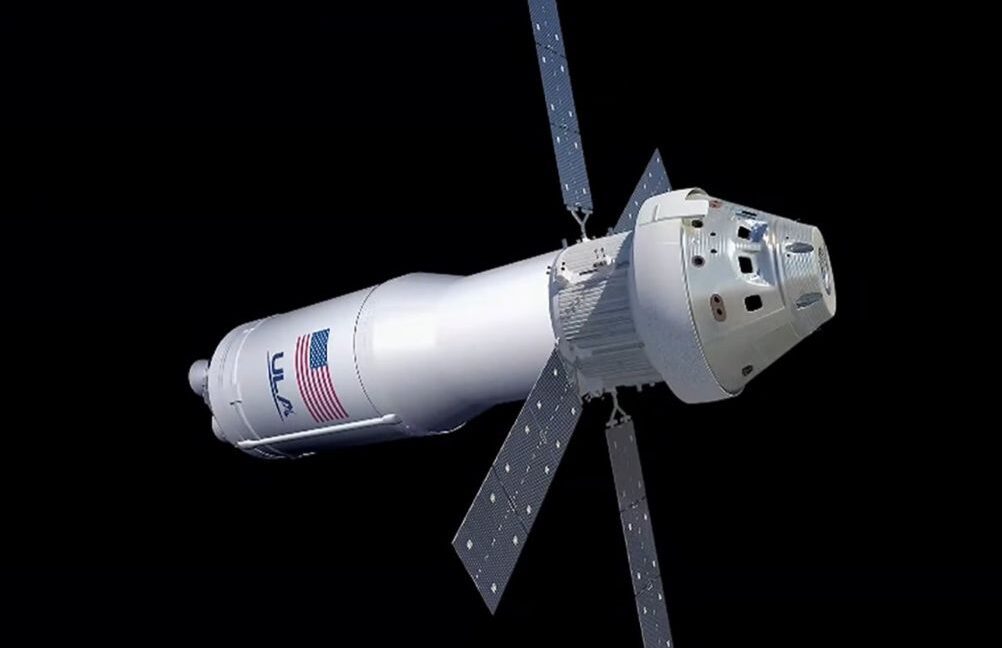
To address a persistent issue with Orion's inability to reach low-Lunar orbit directly, NASA announced it is collaborating with United Launch Alliance to develop an "extended" version of the Centaur V upper stage. This enhancement, combined with the Space Launch System core stage, will allow Orion to achieve low-Lunar orbit, thereby resolving a long-standing propulsion challenge and negating the need for workarounds like the Lunar Gateway.
Why it matters
These updates demonstrate NASA's commitment to accelerating the Artemis program and making lunar landing missions more efficient for its private sector partners. Solving Orion's low-Lunar orbit capability not only reduces mission complexity but also eases the burden on lander companies, increasing the likelihood of achieving the goal of returning humans to the Moon. These strategic adjustments represent a crucial step forward in humanity's journey toward a sustained lunar presence.