India Seeks Strategic Advantage Amidst Escalating Pakistan-Taliban Tensions
As tensions between Pakistan and Afghanistan escalate, India is rebuilding ties with the Taliban in Kabul, seeking to leverage shifting regional dynamics for strategic gains.
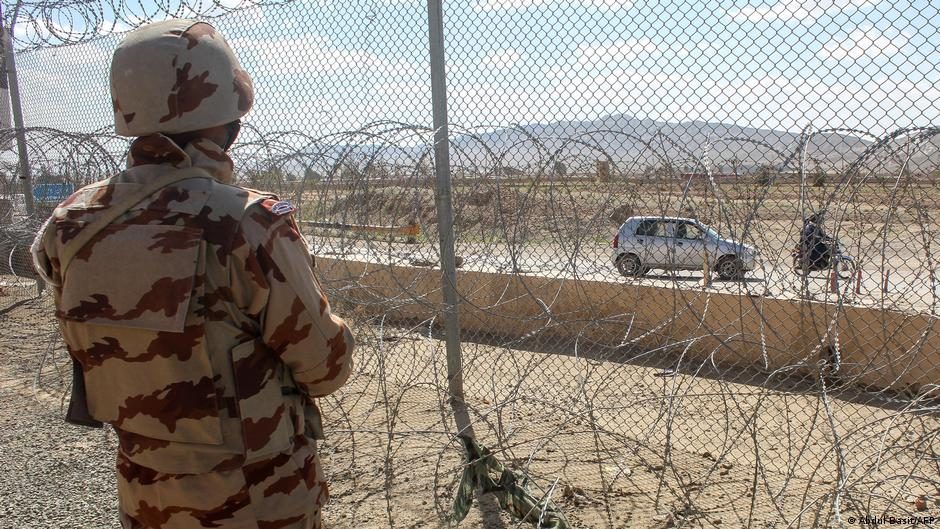
Tensions between Pakistan and Afghanistan are escalating, prompting India to re-engage with the Taliban administration in Kabul. This situation raises questions about whether New Delhi can transform this diplomatic opening into lasting strategic advantages in the region.
The current round of tensions began in February 2026 when Pakistan launched strikes into Afghanistan targeting Taliban militants, followed by ongoing border clashes. Pakistan accuses the Taliban of allowing the Tehrik-e-Taliban Pakistan (TTP) militant group to launch attacks from Afghan territory, an accusation Kabul denies.
Highlights
- Pakistan and Afghanistan have been locked in escalating border tensions since February 2026.
- Pakistan accuses the Taliban of harboring TTP militants; Afghanistan denies the claims.
- India views this conflict as a diplomatic and strategic opportunity to strengthen ties with the Taliban in Kabul.
- India restored air freight links between Kabul and Delhi/Amritsar in December 2025.
- Pakistan perceives India's growing engagement with the Taliban as a security threat, accusing India of providing support to the group.
Details
The conflict between Pakistan and Afghanistan intensified with Pakistani strikes targeting Taliban militants in Afghanistan. Pakistan's defense minister declared the country was at "open war" with Afghanistan in March 2026. This confrontation has reportedly weakened Pakistan's traditional influence in Afghanistan, encouraging the Taliban to diversify its external relations.
India is attempting to capitalize on this diplomatic opening by expanding humanitarian assistance, development projects, and trade. Bilateral trade between India and Afghanistan stood at approximately $908 million in the 2025-26 fiscal year. However, experts caution that India lacks the geographical advantages, economic leverage, and security presence to fully replace Pakistan's influence. There is no ideological alignment between India and the Taliban, and Kabul is expected to pursue a diversified foreign policy.
Pakistan views India's increased engagement with the Taliban as a security threat. On October 7, a Pakistani diplomat accused India at the United Nations of "actively supporting the Taliban regime with material and logistical support for carrying out terrorist attacks against Pakistan" under the guise of humanitarian aid. India rejects these allegations, while Pakistan reportedly feels a "dangerous two-front security trap" could emerge from closer Kabul-New Delhi ties.
Why it matters
The escalating conflict between Pakistan and Afghanistan has the potential to reshape regional power dynamics. For India, it presents an opportunity to recover strategic ground lost since the Taliban's return to power. For Pakistan, it creates a significant security concern. However, experts emphasize that substantial hurdles remain for India to forge a lasting strategic alliance with the Taliban, and Kabul is likely to maintain its autonomous foreign policy.