Oil Prices Jump as Trump Rejects Iran's Strait of Hormuz Proposal
Oil prices surged after US President Donald Trump dismissed Iran's offer to reopen the Strait of Hormuz, with Brent crude rising over 3%.
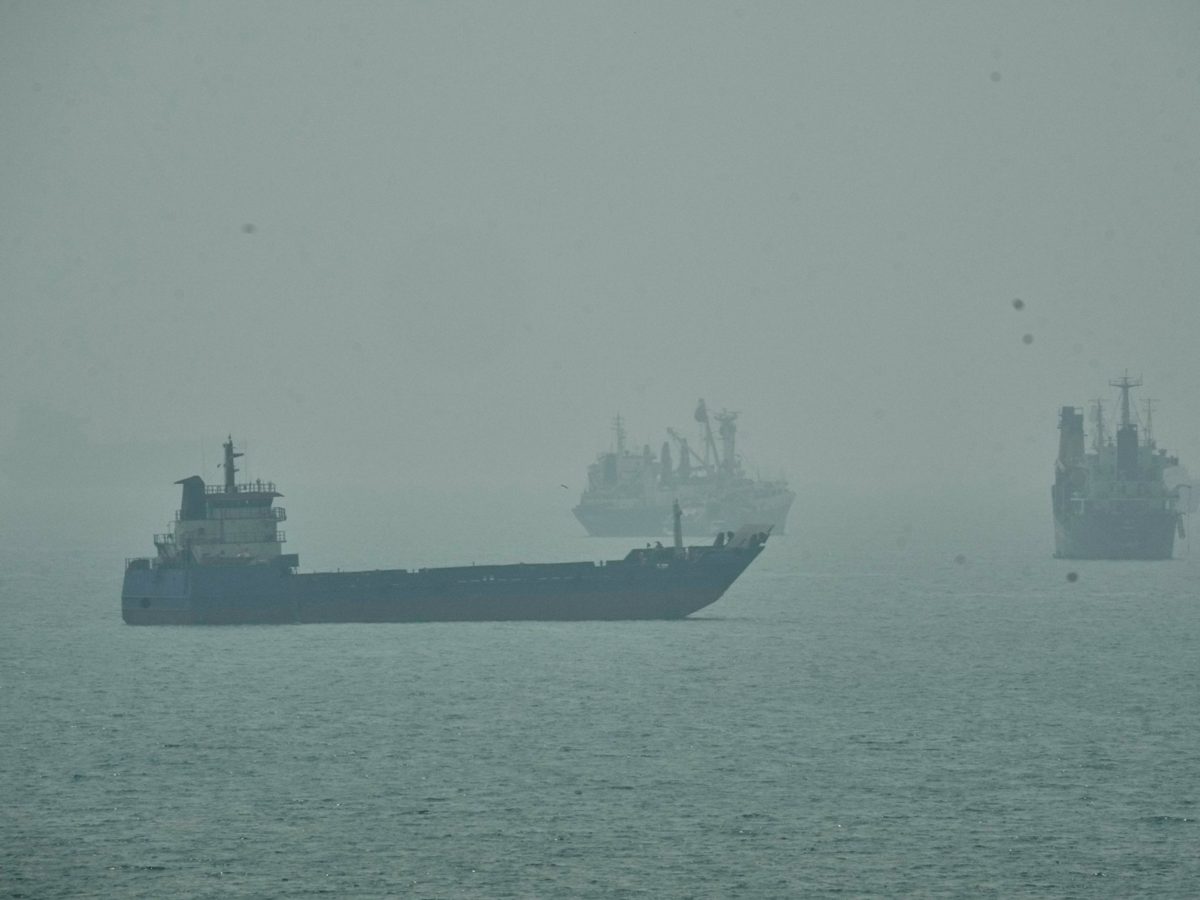
Highlights
- US President Donald Trump declined Iran's suggestion to reopen the Strait of Hormuz within a week.
- Brent crude, the international benchmark, climbed over 3% in Asian trading, nearing $108 a barrel before settling at $107.35.
- Iran had proposed reopening the strait in exchange for the US unfreezing Iranian funds, lifting sanctions, and ending its maritime restrictions on Iranian harbors.
- Before recent hostilities, approximately a fifth of global oil supplies traversed the Strait of Hormuz.
Details
Iran's proposal, presented at the United Nations General Assembly on Friday, outlined a path for de-escalation: the US would release frozen Iranian assets, remove sanctions, and cease its naval blockade of Iranian ports. In return, Iran offered to reopen the critical Strait of Hormuz and re-engage in nuclear program negotiations within seven days. However, President Trump publicly rejected this offer on Saturday, deeming it unacceptable.
Prior to the US and Israeli military actions against Iran in late February, a significant portion—roughly one-fifth—of the world's oil transited through the Strait of Hormuz, a crucial link connecting the Persian Gulf to the Gulf of Oman and the Arabian Sea. Since the conflict began, commercial maritime traffic in this waterway has significantly decreased due to numerous attacks on vessels in the Gulf, which have largely been attributed to Iran or its affiliated groups. Maritime intelligence from MarineTraffic indicated 132 vessel passages through the strait between September 21 and 27, an increase from 116 the previous week. Before the onset of the conflict, the strait typically saw around 130 crossings daily.
Why it matters
The increase in oil prices directly impacts global energy markets and economies. Continued closure or instability in the Strait of Hormuz poses a severe risk to oil supplies, driving up prices. This situation could exacerbate inflationary pressures worldwide and negatively affect economic growth, highlighting the strait's critical role in international trade and energy security.