Putin Tells Trump Peace Talks Unlikely Due to Ukraine Drone Attacks
Russian President Vladimir Putin informed US President Donald Trump that immediate peace talks are improbable, citing Ukraine's drone attacks on Moscow during recent elections.
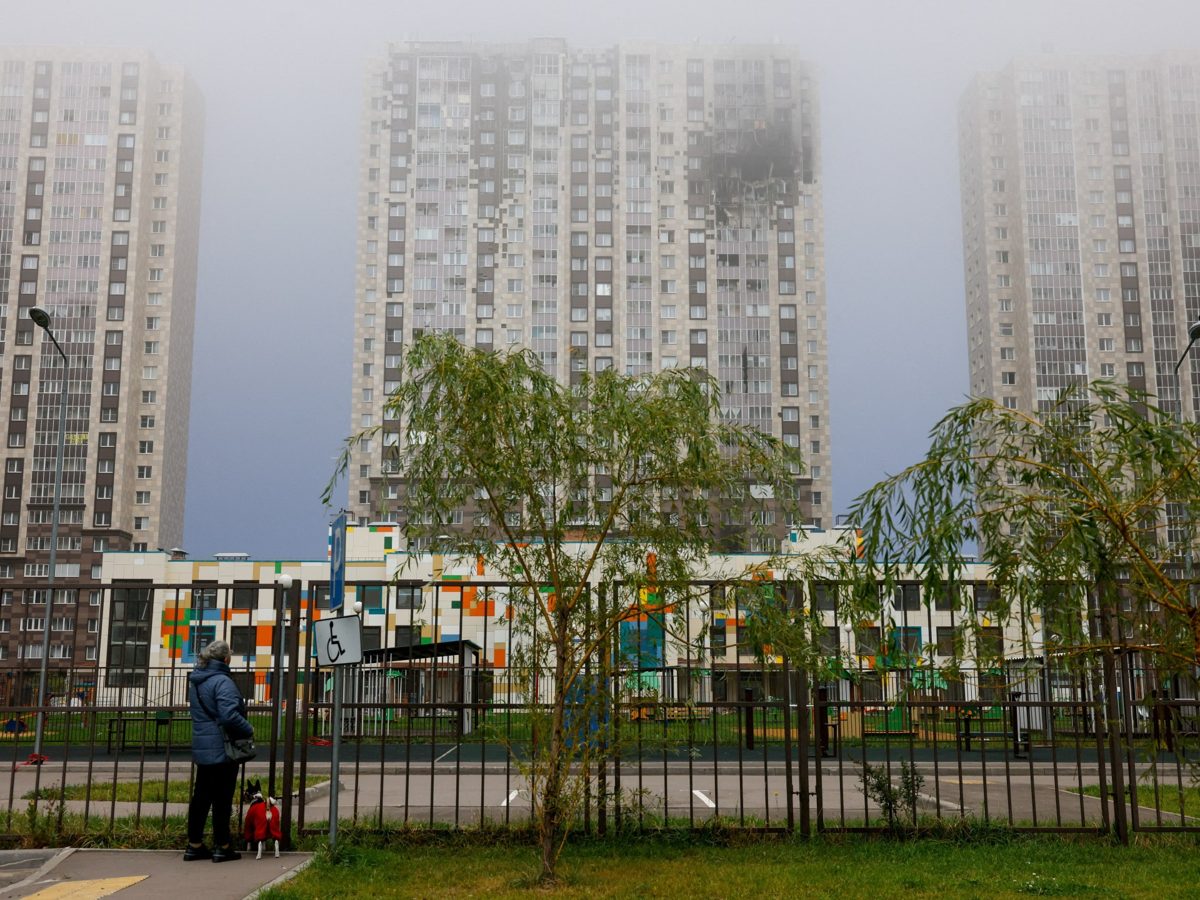
Russian President Vladimir Putin told US President Donald Trump in a phone call that an immediate resumption of peace talks with Ukraine is unlikely. Putin cited drone attacks on Moscow during last month's parliamentary elections as the reason, stating these attacks undermined the possibility of trilateral peace negotiations.
Highlights
- Putin attributed the unlikelihood of immediate peace talks to Ukraine's drone attacks during recent elections.
- The Kremlin indicated that the attacks on Moscow complicated trilateral peace discussions involving Russia, Ukraine, and the US.
- US Secretary of State Marco Rubio stated the Russia-Ukraine war is at a dangerous stalemate, with the US continuing efforts for a resolution.
- Ukrainian President Volodymyr Zelenskyy had earlier expressed readiness for trilateral talks with the US and Russia this month.
- Trump announced after his call with Putin that Russia agreed to supply over 300,000 tonnes of diesel to American and global markets.
Details
Kremlin foreign policy aide Yuri Ushakov commented on the call with Trump, stating, "By launching a large-scale drone attack on Moscow, other cities, and polling stations on the most important day of the elections, and by targeting some people involved in organizing the elections, the Kyiv regime has, in reality, interrupted the possibility of an immediate resumption of the negotiation process." Ushakov added that Russia would now assess when these trilateral negotiations could resume.
US Secretary of State Marco Rubio said on Thursday that the war in Ukraine is in a dangerous stalemate and the United States would continue to work towards a deal to end the conflict. Ukrainian President Volodymyr Zelenskyy had earlier this week indicated his country's readiness to hold trilateral talks with the United States and Russia this month.
Earlier on Friday, Donald Trump announced after his call with Putin that Russia agreed to deliver more than 300,000 tonnes of diesel to American and global markets. This deal drew criticism from US lawmakers, Zelenskyy, and European allies. Zelenskyy remarked, "All that money goes toward the war against people, against Ukraine, against all of us. I believe our team is simply being used as a smokescreen. And that is certainly not fair." In response, a UK government spokesperson stated that the United Kingdom would continue to "maintain pressure on Russia through the toughest sanctions regime ever imposed by the UK."
Why it matters
These developments highlight the fragility of diplomatic efforts to resolve the conflict in Ukraine. The direct impact of drone attacks on peace talks underscores the deep lack of trust between the parties. Furthermore, the diesel deal between the US and Russia has exposed differing approaches among Western allies, raising questions about the unity of the front against Russia.