Senegal's Hidden Debt Crisis and IMF Relations Under Scrutiny
A new **$2.2 billion** loan program between the International Monetary Fund (IMF) and Senegal has been announced, bringing the country's previously concealed debts and quest for economic independence
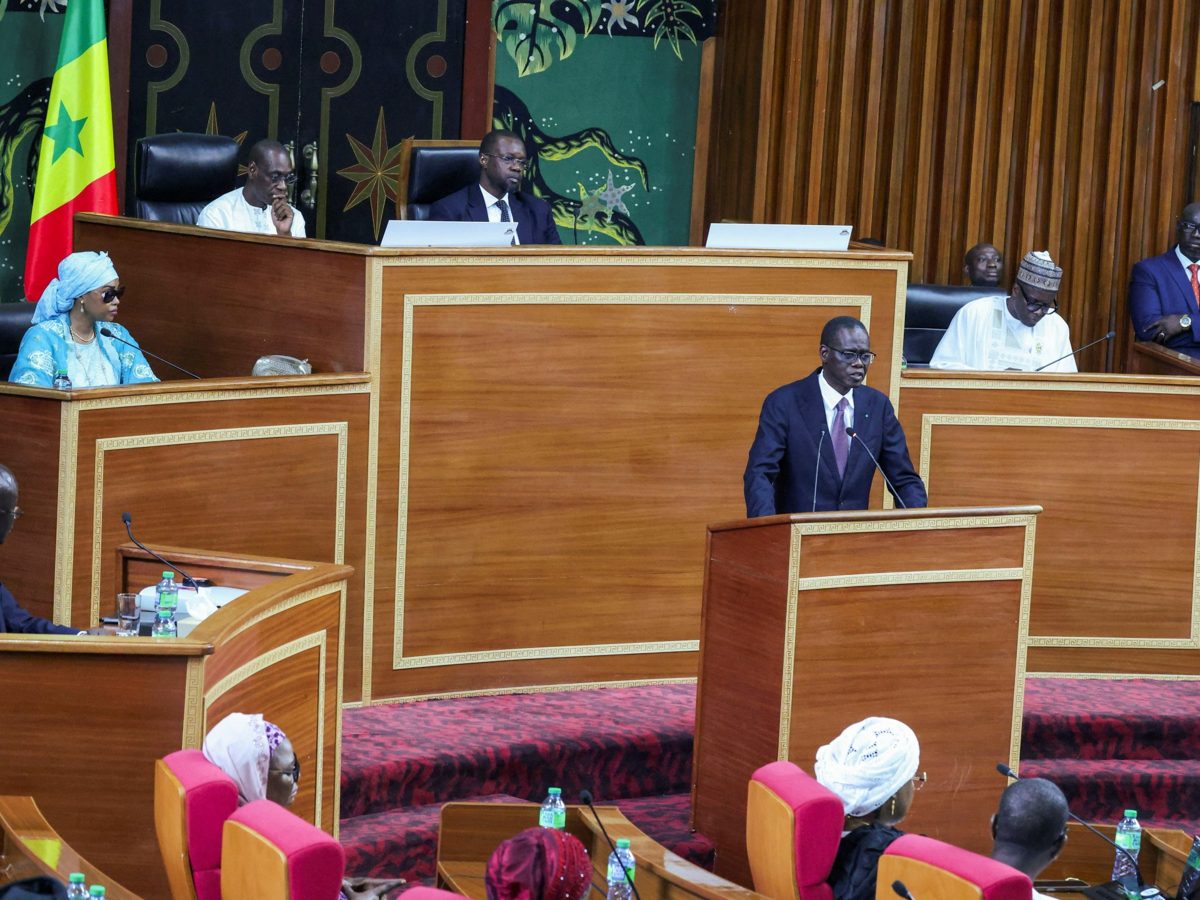
The International Monetary Fund (IMF) and Senegal have agreed on a new loan program worth $2.2 billion. This development follows the discovery in July 2024 of concealed debt equivalent to approximately 25 percent of the country's GDP. This revelation pushed Senegal's public debt to over 130 percent of its GDP, making it one of the highest ratios in Africa.
The discovery of the hidden debt sparked widespread outrage among the Senegalese public and initiated a broad debate about the country's debt management. The idea of economic independence gained momentum and helped the ruling Pastef party secure 80 percent of the seats in the parliamentary elections that November.
Highlights
- A new $2.2 billion loan program between Senegal and the IMF has been announced.
- Hidden debts amounting to roughly 25 percent of the country's GDP were uncovered, pushing public debt above 130 percent.
- This situation fueled debates on economic independence and contributed to the ruling party's electoral success.
- Experts suggest Senegal should adopt a different approach to debt management and foster regional cooperation.
- Structural adjustment programs by the IMF and World Bank have frequently faced criticism in African countries.
Details
Senegal has been one of the IMF's most continuous program countries since 1979. However, structural adjustment programs implemented by the IMF and World Bank are criticized for leading to economic stagnation, rising poverty, and the weakening of institutional infrastructure. In 2004, Senegal received $488 million in debt relief under the Heavily Indebted Poor Countries Initiative (HIPC) but had to accept conditionalities such as privatization and deregulation. These conditions negatively impacted access to essential services and employment.
Recalculations placed Senegal's real public debt at 99 percent of GDP by the end of 2023, significantly higher than the 74 percent initially reported. The IMF attributed this error to the Senegalese government, which is seen by some as a systemic failure in the Fund's oversight. Other African nations like Zambia and Ethiopia have also faced similar debt management challenges under IMF programs.
Why it matters
Senegal's debt crisis not only impacts the country's economic future but also raises questions about the role of international financial institutions in Africa. Experts emphasize that Senegal should manage its debt through a different approach, including debt audits, transparency, control over natural resources, and regional cooperation. Furthermore, it is argued that African countries should collectively take a stand against creditors and demand mechanisms such as debt moratoria. This situation deepens ongoing discussions about economic sovereignty and development models in Africa.