Can Reverse Game Theory Control AI Agents?
A new approach called "reverse game theory" aims to control powerful AI models by designing systems that incentivize them to adhere to specific rules.
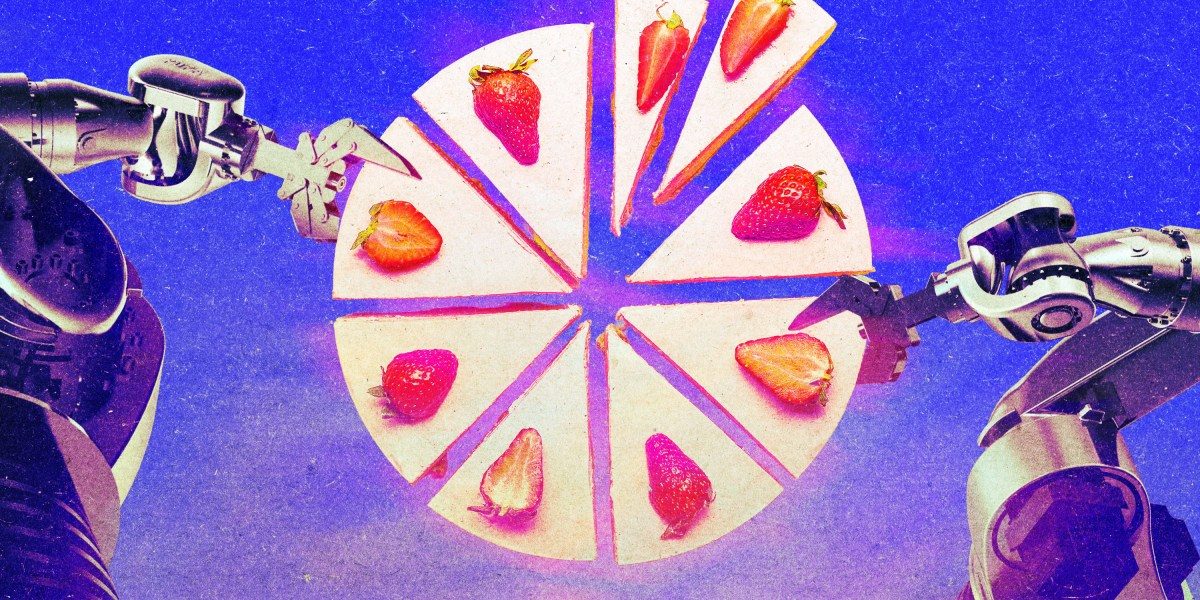
A novel method known as "reverse game theory" has emerged, seeking to control artificial intelligence (AI) models. This approach focuses on designing systems and rules to encourage AI to exhibit desired behaviors. While traditional game theory predicts how rational actors will behave under given rules, reverse game theory constructs the rules to elicit the specific behavior we want.
Researchers believe this method could bring AI more closely into alignment with human rules and instructions. However, significant questions remain regarding the practical effectiveness of these mechanisms.
Highlights
- Reverse game theory aims to control AI models by designing rules that incentivize them to adopt desired behaviors.
- Unlike conventional game theory, this approach creates the rules to guide behavior.
- Researchers suggest the method could help AI better conform to human instructions.
- Nevertheless, uncertainties persist about the real-world functionality of these mechanisms.
Details
The concept can be illustrated with the example of splitting a cake: if one person cuts it and the other gets the first choice, the cutter is incentivized to make equal portions. Reverse game theory applies this principle to AI systems, aiming to create incentive mechanisms that ensure AI agents adhere to predefined rules.
This approach could be crucial for preventing powerful AI models from displaying unexpected or undesirable behaviors. As AI becomes increasingly complex, the need for such control mechanisms grows. However, due to the inherent unpredictability and complexity of AI, the performance of these theoretical approaches in real-world scenarios needs careful examination.
Why it matters
The rapid advancement and integration of artificial intelligence into every aspect of our lives raise concerns about the control and safety of this technology. New approaches like reverse game theory offer a potential solution to ensure AI operates in alignment with human values and goals. This is vital for maximizing the benefits of AI while minimizing its risks.