Trump Claims Energy Ceasefire Holds, Ukraine Reports New Russian Strikes
US President Donald Trump asserted an agreement to halt energy infrastructure attacks, but Ukraine's President Zelenskyy reported six new Russian strikes.
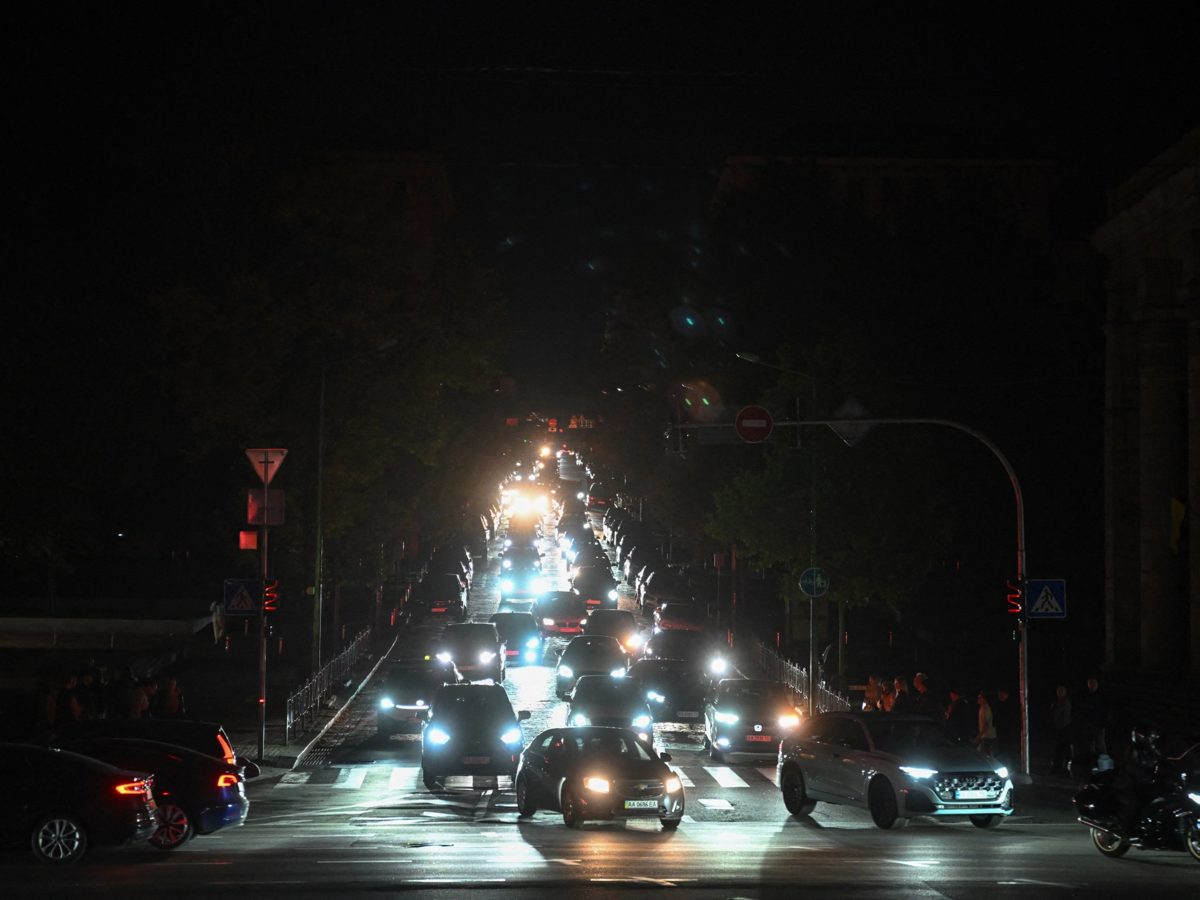
Highlights
- President Trump announced that leaders from Russia and Ukraine had consented to cease attacks on energy infrastructure.
- Ukrainian President Zelenskyy, however, contradicted this, stating that Russian forces had targeted six energy facilities since Trump's ceasefire declaration.
- Trump characterized the ongoing conflict as a "disaster" and urged both presidents to convene for peace discussions.
- Zelenskyy affirmed Ukraine's support for an energy ceasefire but expressed skepticism about Russia's compliance.
- Russian Foreign Minister Sergey Lavrov rejected any pause in hostilities, vowing to continue military operations.
Details
President Trump informed reporters that an agreement between Ukrainian President Zelenskyy and Russian President Putin had been reached, attributing it to his own insistence. When questioned about reports of Russian attacks, he suggested that violations had occurred on both sides and that he would need to investigate. Trump described the conflict, which commenced in February 2022, as a "disaster" and claimed, without providing evidence, that over thirty thousand individuals had perished in the current month.
On Monday, Zelenskyy stated that Ukraine endorsed an energy ceasefire and had refrained from striking Russian refineries overnight. He indicated Kyiv's readiness to sign guarantees to establish trust but noted that Moscow's non-compliance was increasingly apparent. Russia's Foreign Minister Sergey Lavrov, conversely, dismissed the idea of a truce, asserting that military actions would persist. He conveyed that Russia would not be swayed by renewed assurances and would continue pursuing its objectives in Ukraine.
Why it matters
Trump's declarations surprised Kyiv and its European allies, particularly coming after his temporary relaxation of US sanctions on Russian diesel, a decision that sparked considerable anger in Europe and Ukraine. European partners of Ukraine expressed doubt regarding the energy ceasefire and, in response, enacted the most extensive package of European Union sanctions since Russia's 2022 invasion. This included adding approximately 1,569 individuals and entities to the bloc's sanctions list, underscoring a commitment to maintaining pressure on Moscow despite differing views from the US.