Turkey Grapples with Fossil Fuel Dependence While Hosting COP31 Summit
Turkey, hosting the 2026 UN Climate Summit (COP31) in Antalya, highlights its significant reliance on fossil fuels despite advocating for a global clean energy transition.
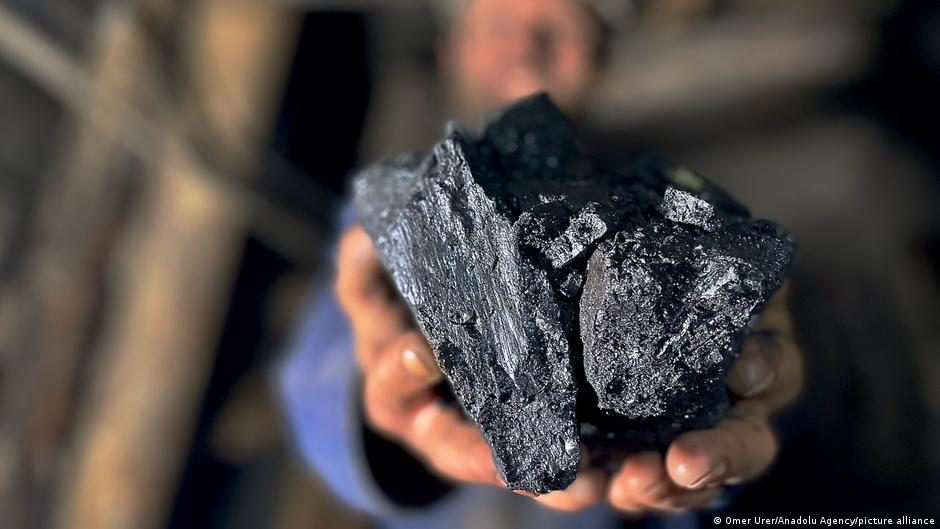
Turkey, as the host of the 2026 UN Climate Summit (COP31) in Antalya, is urging for global greenhouse gas emission reductions. However, the country faces scrutiny due to its substantial dependence on fossil fuels, even as it rapidly expands its renewable energy capacity.
Highlights
- Turkey has approved over 33 gigawatts (GW) of battery storage projects since 2022, placing it among Europe's largest battery project pipelines.
- Wind and solar energy now provide 22% of Turkey's electricity, a significant increase from 4.5% a decade ago.
- Despite this, coal-fired electricity generation in Turkey increased by roughly one-third in the last decade, surpassing Germany and Poland in 2024.
- Turkey is one of the few industrialized nations that has not yet committed to a coal phase-out date.
- The country launched the "35x35" global electrification pledge, aiming to increase the electrification of world economies from just over 20% today to 35% by 2035.
Details
While Turkey has made strides in renewable energy, its reliance on coal complicates efforts to meet climate targets. Efe Baysal of the global environment network 350.org notes that coal's position in the Turkish electricity market is becoming increasingly precarious. According to the environmental group Beyond Fossil Fuels, approximately 97% of new coal projects in Turkey have been canceled in the last decade.
However, Ümit Şahin, head of the climate change program at the Istanbul Policy Center, points out that Turkey's current climate targets allow emissions to continue rising until 2038, making it challenging to achieve its net-zero goal by 2053. Turkey's heavy dependence on imported fossil fuels – importing 95% of its natural gas, 83% of crude oil, and 60% of its coal – makes it highly vulnerable to volatile global energy markets.
COP31 President Murat Kurum supports the "35x35" pledge, citing both climate and energy security concerns. Kurum stated, "The war in the Gulf has shown us, once again, that fossil fuels do not guarantee energy supply security." Yet, according to Climate Action Tracker, Turkey's National Energy Plan is only on track to electrify around 25% of total energy consumption by 2035.
Why it matters
For Turkey, a Mediterranean country grappling with extreme climate impacts such as wildfires, record heat, and severe flooding, the COP31 summit presents a crucial opportunity to accelerate its energy transition. The country can significantly reduce its emissions by leveraging its solar energy potential and expanding renewable energy capacity. However, experts emphasize that achieving emission targets will be impossible without a complete phase-out of coal.