Multiple Nations Issue Travel Warnings for Saudi Arabia Following Houthi Attacks
Several countries, including the US, Australia, and Japan, have advised against travel to Saudi Arabia after recent Houthi airport attacks.
Highlights
- The United States, Australia, Canada, Japan, South Korea, and New Zealand have all issued warnings advising their citizens against travel to Saudi Arabia.
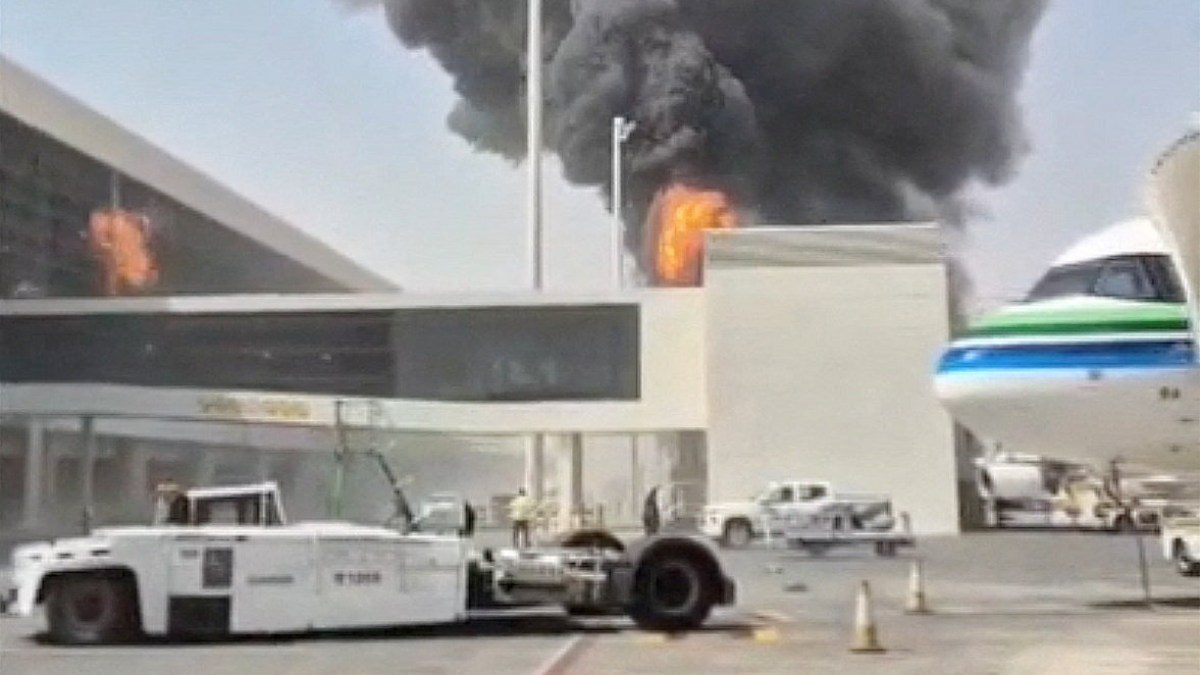
- These advisories follow a series of five Houthi-claimed attacks on Saudi Arabian airports within a week.
- One attack on King Khalid International Airport in Riyadh resulted in one fatality and eleven injuries, while an earlier strike there killed thirteen and wounded over 300.
- Some nations have recommended that their citizens currently in Saudi Arabia depart, or that planned trips be canceled.
- The attacks led to the closure of King Khalid and King Fahd International Airports, causing significant air traffic disruptions across the Middle East.
Details
Australia and New Zealand were the latest nations to release travel advisories on Monday, joining earlier warnings from the United States, Canada, the United Kingdom, South Korea, and Japan. Australia's Department of Foreign Affairs and Trade cautioned its nationals to avoid Riyadh's King Khalid International Airport and reconsider journeys to other Saudi air hubs. New Zealand's Foreign Affairs and Trade Ministry advised against any travel to the main gateway of the Saudi capital, as well as to the provinces of Najran, Jazan, and Asir.
The U.S. embassy in Riyadh recommended that American citizens reconsider travel to the kingdom, citing the threat of assaults from Iran and the Iran-backed Houthis. South Korea's Foreign Ministry suggested that its nationals residing in Saudi Arabia should leave unless their presence was essential. The United Kingdom's Foreign, Commonwealth & Development Office advised against travel to Jeddah and Dammam, and all airports except Medina International Airport, unless for critical reasons.
According to the Saudi Arabian General Authority of Civil Aviation (GACA), a projectile that struck King Khalid International Airport on Sunday led to one death and eleven injuries. A Houthi assault on the same airport the previous day caused thirteen fatalities and over 300 injuries, marking the most severe attack on Saudi Arabia in more than a decade. These incidents prompted the closure of King Khalid International Airport and King Fahd International Airport in Dammam, leading to considerable aviation disruptions throughout the Middle East. Flight tracking data from Flightradar24 showed that over 150 flights were canceled and 374 were delayed at King Abdulaziz International Airport in Jeddah on Sunday.
Why it matters
These travel warnings and airport attacks underscore escalating tensions in the Middle East and their potential impact on civilian aviation. Such assaults, which threaten regional stability, could have long-term consequences for international travel and commerce. Brendan Sobie, an independent analyst based in Singapore, noted that the full impact of this crisis on aviation will depend on its duration, how long Riyadh airport remains closed, and the extent of restrictions once it reopens.