Jordan-Israel Border Becomes New Hub for High-Tech Drug Smuggling
Drug smuggling from Israel to Jordan, utilizing drones and balloons, is escalating, raising concerns among Jordanian authorities about border security.
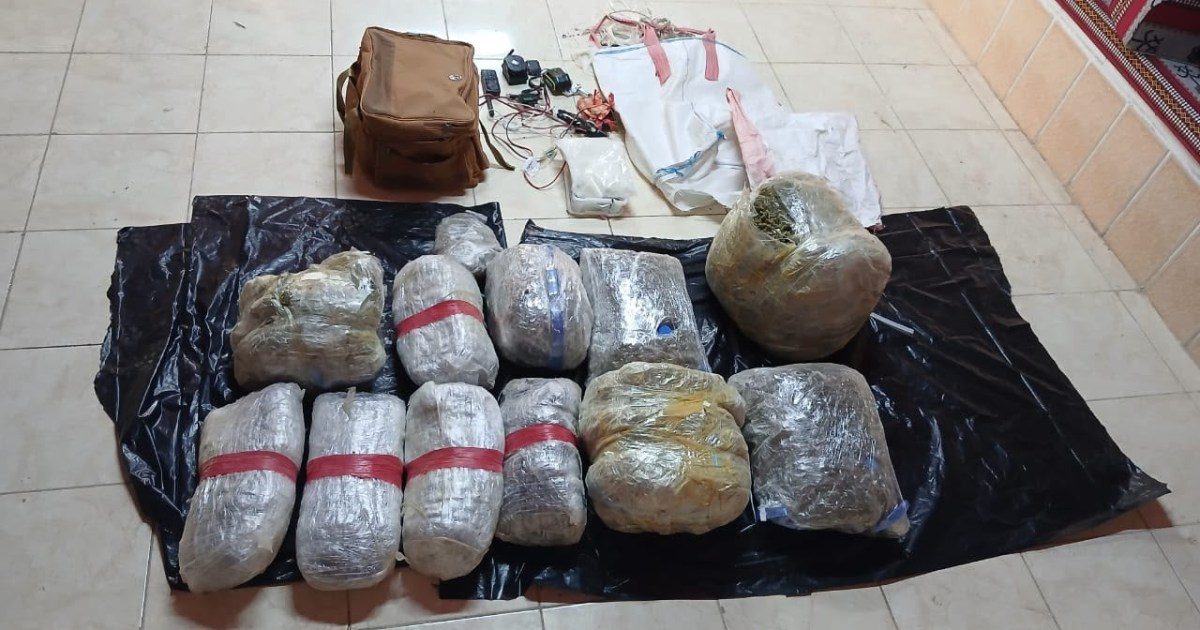
Jordan is increasingly concerned that its border with Israel is transforming into a major drug-smuggling route, driven by high-tech operations conducted by organized criminal gangs using drones and helium-filled balloons. These networks, active in Israel's southern Negev Desert, are reportedly linked to groups in Jordan and Egypt's Sinai Peninsula.
This escalation coincides with shifts in the regional drug trade, particularly following the fall of Syrian President Bashar al-Assad in late 2024. Assad's regime was previously accused of links to Captagon manufacturing and distribution. With a decrease in drug flow from Syria into Jordan, the focus has seemingly shifted to the Israel-Jordan border.
Highlights
- Smugglers are using drones and helium balloons to transport narcotics from Israel's Negev Desert into Jordan.
- Jordan's Interior Minister confirmed an increase in drug smuggling operations from Israel to Jordan via drones.
- Jordanian forces conducted 17 drone-related interception operations near the Israeli border in the first half of 2026.
- Jordanian officials accuse the Israeli army of not taking the drug smuggling issue seriously.
- Hashish prices in Jordan are estimated to be about 15 times higher than in Israel.
Details
Jordanian security forces are reportedly frustrated by the new tactics employed by gangs in Israel to smuggle hashish, crystal meth, and amphetamines into Jordan using quadcopter drones and balloons. Interior Minister Mazen al-Faraya told Al Jazeera that 15,342 drug cases were seized this year, with approximately 28% being trafficking cases. Jordanian officials suggest that Israel's preoccupation with conflicts in Gaza, Lebanon, and the occupied Golan Heights has provided smugglers with greater operational freedom along the border.
Senator Ammar al-Qudah claimed that organized gangs in the Negev have acquired over 1,000 drones, originally intended for agricultural and security uses. These drones and GPS-equipped balloons are capable of carrying up to 50 kg of narcotics. Al-Qudah noted that smuggling networks utilize complex routes spanning from Sinai, through the Negev, and into Wadi Araba, as well as routes extending to Lebanon and Syria. Israeli media reports indicate that gangs in the Negev Desert are behind these operations, seeking higher profits in the Jordanian market.
Why it matters
This situation poses a significant threat to Jordan's national security and could exacerbate regional instability. The use of high-tech smuggling methods presents new challenges for border security, while accusations of Israeli forces turning a blind eye to these activities could strain relations between the two countries. The domestic sale of a portion of these drugs also has the potential to increase drug use within Jordan.