US Weakens Fuel-Efficiency Rules: Cheaper Cars, Higher Running Costs, and Increased Emissions Risk
The US Department of Transportation has rolled back fuel-efficiency rules, ostensibly to lower vehicle prices, but critics warn this could lead to higher fuel costs for drivers and increased carbon em
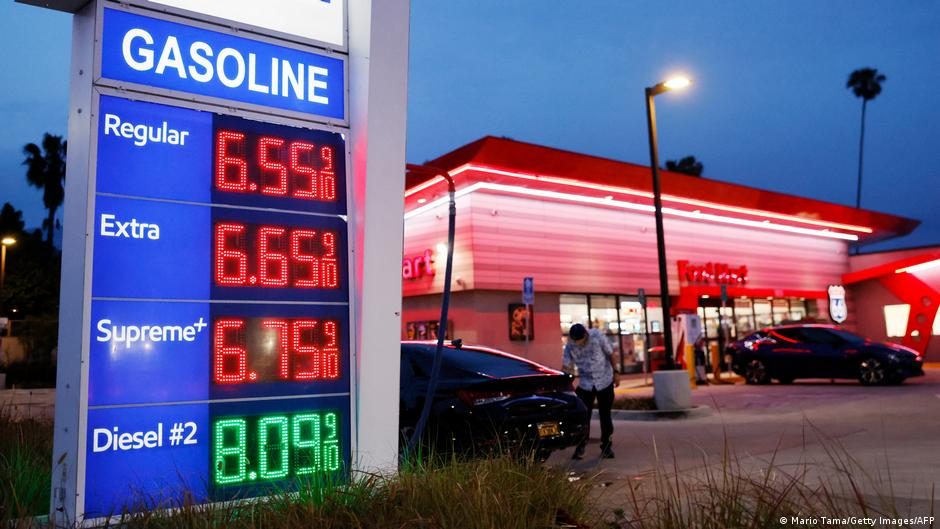
The US Department of Transportation, under its "Freedom Means More Affordable Cars" initiative, has weakened fuel-efficiency rules. This move is claimed to save US taxpayers $138 billion over the next five years and make new vehicles $1,300 cheaper on average. However, critics warn that this could result in higher running costs for drivers due to soaring gas prices and an increase in planet-heating emissions.
Highlights
- The relaxed rules reduce the average fuel efficiency requirement for vehicle fleets to about 35 miles per gallon (approximately 14.7 km per liter) by 2031, down roughly one-third from 50 miles per gallon.
- Previous stricter rules were estimated to save 70 billion gallons (265 billion liters) of fuel over 25 years.
- Democratic Senator Sheldon Whitehouse stated, "Any savings on the front end get eaten up and spat out by excess costs of fuel… Fuel economy standards have saved drivers hundreds of billions of dollars."
- The nonprofit Union of Concerned Scientists (UCS) notes that earlier CAFE regulations have saved US consumers about $321 billion at the gas pump since 2010.
- The diluted rules were projected to prevent more than 710 million metric tons of carbon dioxide emissions by 2050.
Details
The revised Corporate Average Fuel Economy (CAFE) rules roll back updated efficiency standards implemented by the Biden administration in 2024, which aimed to incentivize the production of low-emission electric and hybrid vehicles. The US National Highway Traffic Safety Administration (NHTSA) had estimated these standards would save 70 billion gallons (265 billion liters) of fuel over 25 years.
The US, the world's largest petrol consumer, burns 20 million barrels of oil per day, accounting for 20% of global consumption. Environmental groups emphasize that transportation is the biggest consumer of oil, making strong auto standards the most effective way to cut pollution and oil use. However, following the Trump administration's elimination of greenhouse gas emission standards for light- and heavy-duty vehicles last year, these rollbacks are seen as compounding a more significant step backward.
Why it matters
With transportation representing nearly 28% of US greenhouse emissions, rolling back fuel economy standards is a dangerous setback for near-term climate goals. This risks keeping inefficient combustion engines on the road much longer than climate science demands and signals an intent to maximize oil usage to increase oil company profits. Experts believe that while the transition to electric vehicles is inevitable, such policies could slow down the process.