Wind Turbines Account for Nearly 19 Million Bat Deaths in the US Over Four Decades
A new study reveals approximately 19 million bats have died due to wind turbines in the US since 1981, with annual fatalities exceeding 1.5 million recently.
Highlights
- An estimated 18.7 million bats have perished from wind turbine collisions in the United States between 1981 and 2024.
- Annual bat fatalities have surpassed 1.5 million since 2021, a trend potentially linked to the increasing number of installed turbines.
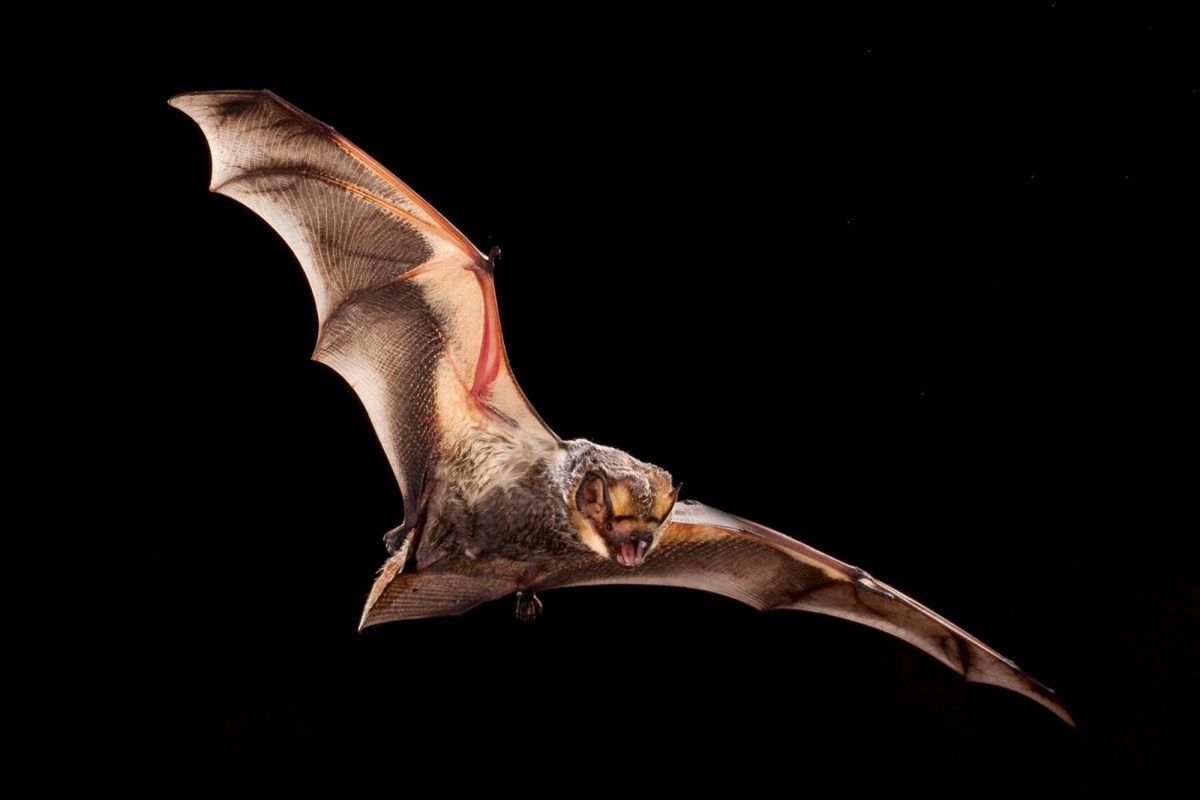
- Hoary bats experienced the highest mortality, with roughly 6.7 million deaths, followed by eastern red bats and silver-haired bats.
- Wind facilities situated near rivers and those with extended turbine blades were associated with higher death rates for certain bat species.
- Adjusting turbine operation schedules during peak bat activity, especially in calm conditions, could significantly reduce fatalities.
Details
Bats are crucial to ecosystems, primarily by managing insect populations such as mosquitoes and moths, which can produce destructive caterpillars. However, numerous bat species face escalating threats from habitat destruction, diseases, and human activities, with several now classified as endangered or threatened. Wind turbines represent one such human-induced threat to these vital creatures.
Researchers Bethany Straw and Charles Labuzzetta, along with their team at the Fort Collins Science Center in Colorado, conducted an extensive analysis of nearly 500 reports from wind power sites throughout the contiguous United States. Their statistical model accounted for variations in how dead bats were located, the dimensions and structure of the turbines, and the local environmental conditions. The investigation focused on ten specific bat species to provide a detailed estimate of mortality.
Scientists are still uncertain why bats frequently approach wind turbines. Previous research suggests that migratory bats might mistake the tall structures for trees, approaching them in search of sustenance, refuge, or partners. Additionally, some studies indicate that male bats may emit mating calls near turbines, potentially drawing females into the sweep of the rotating blades. Differences in species prevalence and behaviors might partly explain why some bats appear to be at greater risk than others.
Why it matters
This comprehensive study provides critical data for understanding the environmental impact of wind energy and for implementing wildlife conservation strategies. The findings can assist wind farm developers in selecting safer locations and refining turbine designs. Measures such as temporarily halting turbine operations during periods of high bat activity, particularly when winds are light, have shown promise in substantially reducing bat deaths with minimal impact on electricity generation. Such proactive steps are essential for enhancing the sustainability of renewable energy sources.