US Public Execution Livestream Sparks Controversy After Nearly a Century
The US Department of Defense's decision to livestream the execution of Fort Hood shooter Nidal Hasan marks the first public execution in the country in nearly 90 years, igniting widespread debate.
The US Department of Defense announced that the execution of Nidal Hasan, who killed 13 unarmed soldiers at Fort Hood military base in Texas in 2009, will be livestreamed. This decision comes after nearly 90 years without public executions in the United States, sparking significant public debate. Experts suggest that officials may be misinterpreting the country's prevailing sentiments.
Highlights
- US Secretary of Defense Pete Hegseth confirmed that Nidal Hasan would be executed by military court and the execution would be livestreamed.
- This will be the first public execution in the US since 1937, expected to draw massive media attention.
- Public support for the death penalty has declined from 80% in 1994 to 52% currently.
- Experts fear the livestreamed execution could turn into "entertainment" and potentially increase societal desensitization to violence.
- The chair of the US Conference of Catholic Bishops labeled the decision as "barbaric," a sentiment shared by many.
Details
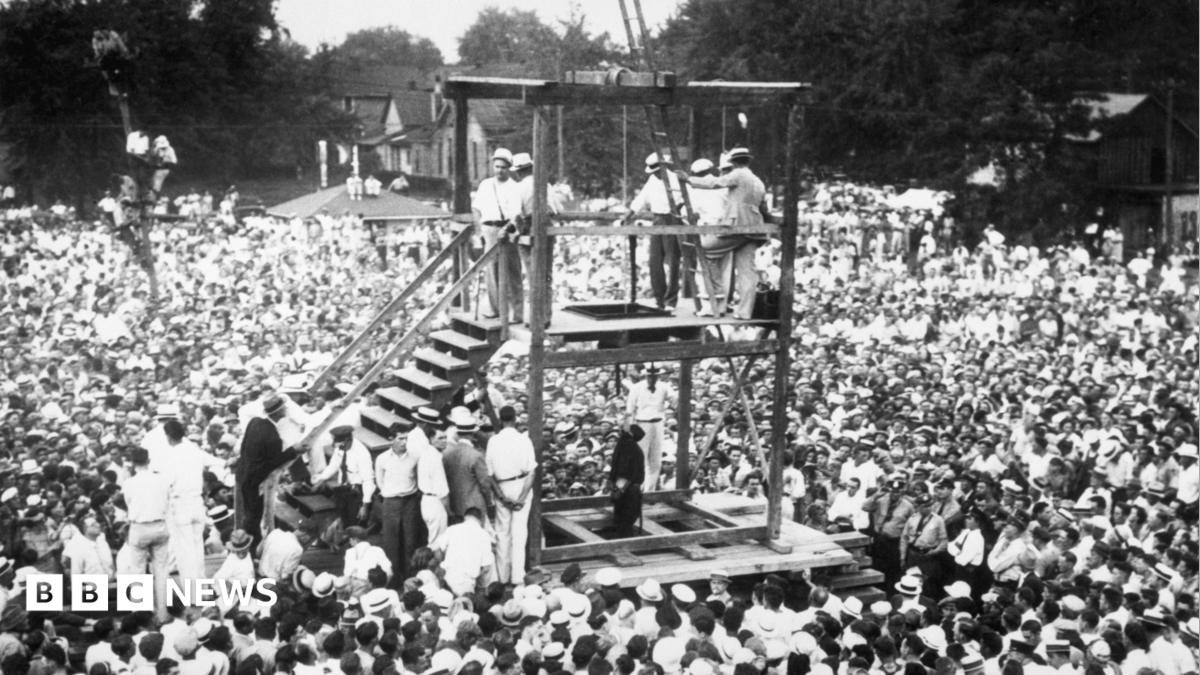
The last high-profile public execution in the US occurred in 1936 in Kentucky, when Rainey Bethea was hanged before an estimated crowd of 20,000. The event caused widespread embarrassment, leading many states to abolish public executions in favor of more humane and private methods. Now, the Defense Department defends its livestream decision, stating, "People need to understand that there's serious consequences for these types of things."
Experts on capital punishment, such as Professor Michael Radelet from the University of Colorado, expressed shock at the decision. Radelet noted the steady decline in public support for the death penalty, especially when alternatives like life without parole are offered. Author Sonya Lea, who published a book on Bethea's execution, described the new livestream announcement as "absolute horror for our descendants." Lea recalled the 1936 event being called a "carnival of sadism" and found it "even more horrific" that modern technology could broadcast it to a wider audience than the 20,000 who attended in person.
Why it matters
This decision brings the US stance on capital punishment and execution methods back into sharp focus. With research indicating a declining public appetite for violence, a livestreamed execution raises serious questions about the country's direction. Some experts suggest that the polarization and rhetoric in American politics might have set the stage for such an announcement. However, many believe that public executions do not align with American values and could negatively impact the country's international image.