Documents Allegedly Falsified to Evade Tax on Abramovich's Wealth
A BBC Panorama investigation claims documents were falsified to conceal Russian oligarch Roman Abramovich's wealth and evade taxes.
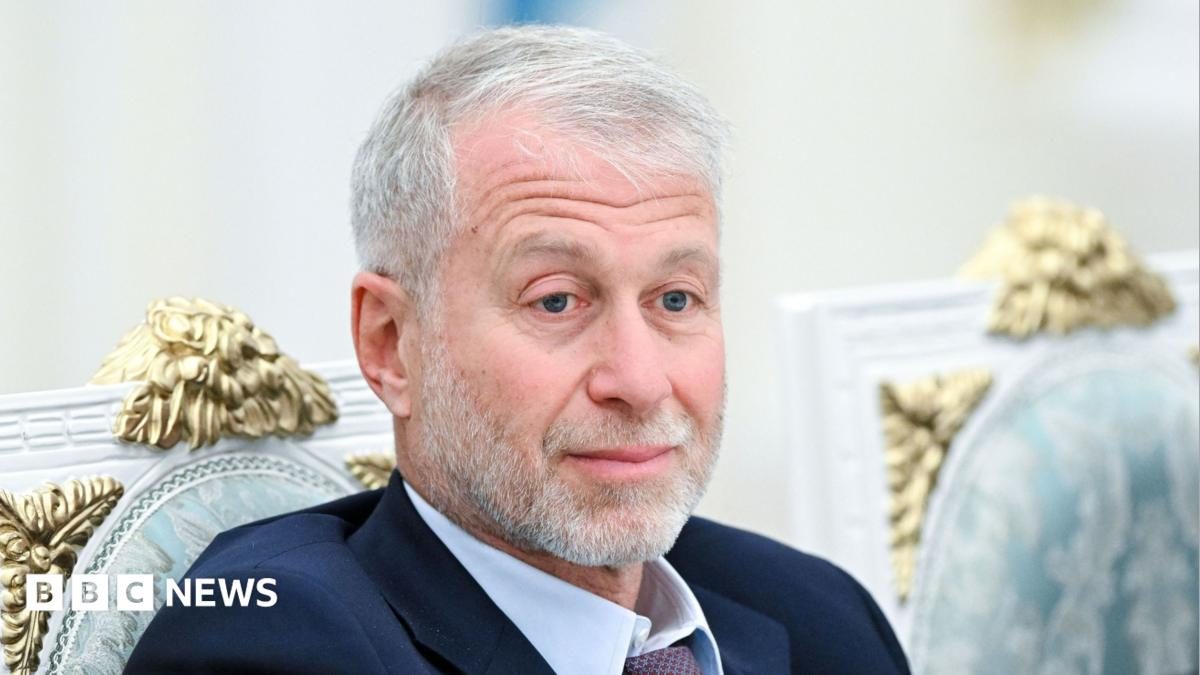
A joint investigation by BBC Panorama and the Bureau of Investigative Journalism alleges that documents were falsified to hide Russian oligarch Roman Abramovich's wealth and evade tax. Deloitte's Cyprus office, one of the world's largest accountancy firms, is said to have helped make assets worth $672 million, including superyachts, mansions, and private jets, disappear from Abramovich's company accounts.
Highlights
- Deloitte Cyprus is accused of assisting in the removal of hundreds of millions of dollars in assets from Abramovich's company accounts.
- Documents were allegedly backdated to make it appear as though asset transfers occurred in the past.
- Andrew Mitchell KC, an expert in financial services law, described the scheme as "straightforward" tax evasion.
- Abramovich's lawyers deny that he evaded tax or concealed his fortune.
- Deloitte Cyprus stated it "acts in compliance with applicable laws."
Details
The investigation is based on thousands of leaked documents concerning the finances and operations of a network of offshore companies administered from Cyprus between 1995 and 2022. These documents reportedly provide new evidence on how Abramovich's business empire was managed. According to the allegations, following a new transparency law in Cyprus in 2006, luxury assets worth $672 million (mansions, jets, yachts) were removed from Abramovich's company, Amiscan Investments, for the year 2003. This was allegedly achieved by making it appear that the assets were transferred to a parent company in the British Virgin Islands and backdating the transfer to 2003.
A similar situation is claimed to have occurred with Abramovich's Cypriot company, Kravin Investments, regarding approximately $2 billion in interest income held in the bank in 2003. An email from MeritServus indicated that after a meeting with Deloitte, the 2003 and 2004 financial statements needed to be changed. This purportedly allowed Kravin to appear as having no income, thus avoiding taxes owed to Cypriot authorities. Furthermore, a fortune exceeding $10 billion was also allegedly transferred in a similar backdated fashion from a Cypriot company called Electus Investments to a more secretive British Virgin Islands entity with the same name.
Why it matters
These allegations raise serious questions about how global accounting firms and professional advisors might assist wealthy individuals in avoiding tax obligations. They particularly highlight how financial transparency efforts can be circumvented, especially by Russian oligarchs facing international sanctions. This situation underscores the need for stronger international financial regulations and oversight mechanisms.