New Forensic Evidence Suggests Ancient Egyptian 'Retainer Sacrifice'
A fresh forensic analysis of mass burials from the First Dynasty in ancient Egypt reveals signs of fatal blunt force trauma on 39% of skulls, supporting the theory of 'retainer sacrifice'.
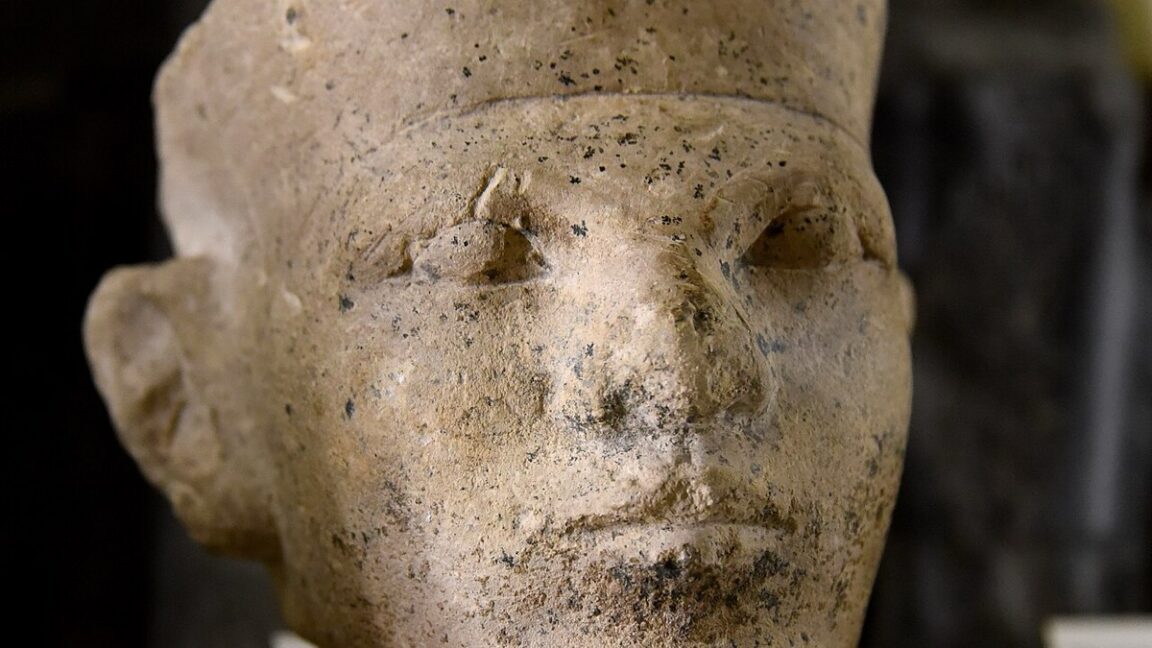
New research led by bioarchaeologist Roselyn Campbell from Purdue University provides significant evidence supporting the theory that servants buried with pharaohs during ancient Egypt's First Dynasty may have been sacrificed. A re-examination of 46 skulls excavated from royal tombs at Abydos in the 1920s revealed signs of fatal blunt force trauma on 39% of them.
These findings add a new dimension to the long-standing debate among Egyptologists about whether early pharaohs were interred with various servants and officials to serve them in the afterlife—a form of human sacrifice.
Highlights
- A new analysis was conducted on 46 skulls from First Dynasty mass burials.
- Approximately 39% of the skulls showed evidence of fatal blunt force trauma.
- These traumas are believed to have rendered individuals unconscious, leading to internal bleeding and likely death.
- The findings offer strong support for the existence of 'retainer sacrifice' in ancient Egypt.
- The study highlights the importance of advancements in forensic science for re-evaluating old archaeological discoveries.
Details
Roselyn Campbell re-examined a collection of human remains first excavated by the renowned British archaeologist Flinders Petrie in the 1920s from the Abydos site in southern Egypt. These remains came from subsidiary burials presumed to be retainers of deceased First Dynasty rulers, with Petrie noting grave markers bearing names and official titles.
Campbell's forensic analysis revealed linear fractures in 18 of the skulls, accounting for about 39%, which are indicative of blunt force trauma. Such fractures would have rendered the individuals unconscious, causing internal bleeding and likely death. Some skulls also exhibited signs of sharp-force trauma. Earlier scholars had suggested other causes of death, such as asphyxiation, strangulation, or poisoning.
Why it matters
This research provides some of the strongest evidence yet for the practice of human sacrifice during the early periods of ancient Egypt. It also offers insights into how such rituals might have been used to consolidate power when establishing a new form of government and to emphasize belief in an afterlife. The study further demonstrates the potential of modern forensic methods to re-evaluate older archaeological findings, even those examined a century ago with less advanced techniques, uncovering new and crucial information.