World Space Week: Which Countries Have Sent People to Space?
According to data released during World Space Week, at least 746 people from 52 different countries have traveled to space to date.
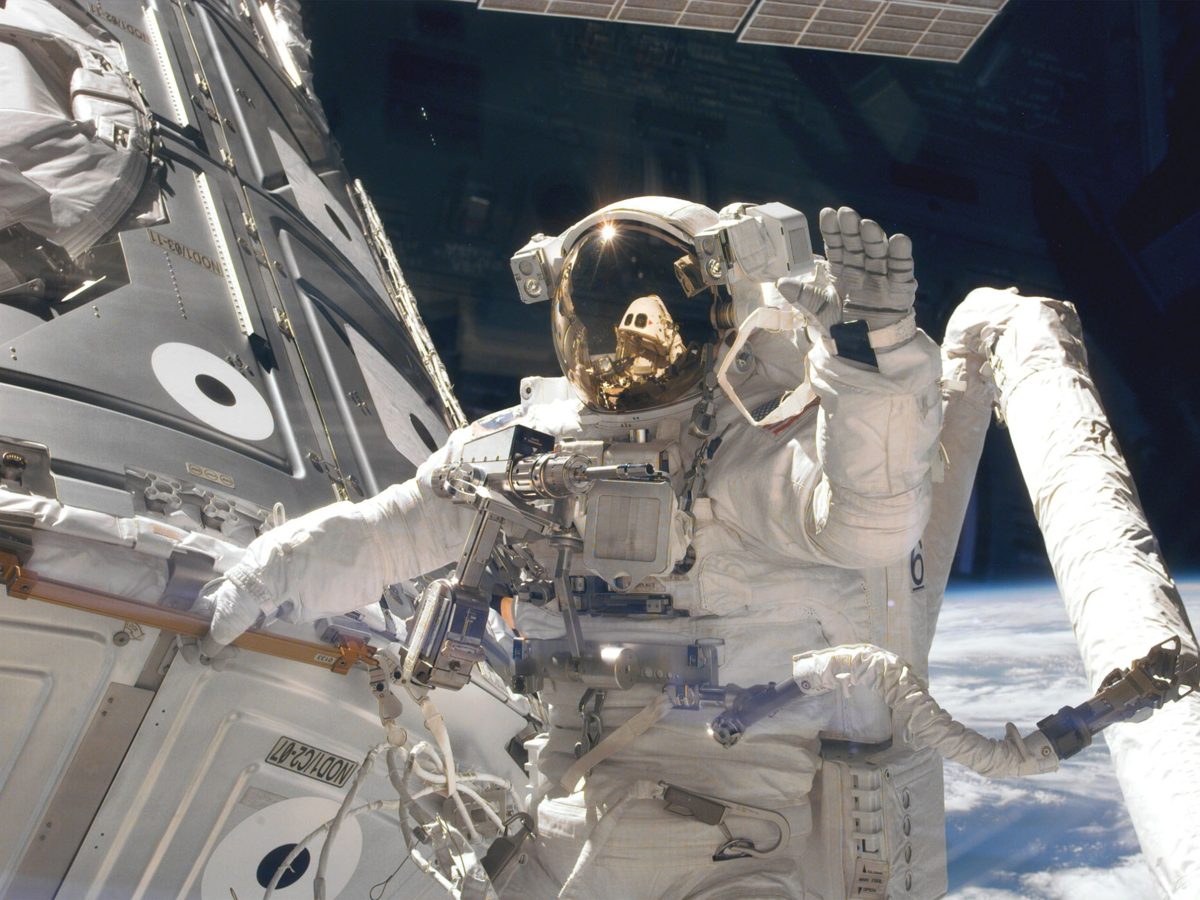
During World Space Week, observed annually from October 4 to 10, data reveals that a total of 746 individuals from 52 countries have journeyed into space. This group includes both professional astronauts and space tourists. The space age began 69 years ago with the Soviet Union's launch of Sputnik 1, the first orbiting satellite, marking a significant milestone in humanity's exploration of space.
Highlights
- The first human in space was Soviet cosmonaut Yuri Gagarin, who flew on April 12, 1961.
- The US has sent the most people to space with 369 individuals, while the Soviet Union and Russia combined have sent 138. China ranks third, having launched 29 people using its own rockets.
- Only 112 (15%) of the 746 people who have traveled to space have been women. Valentina Tereshkova became the first woman in space in 1963.
- The youngest space traveler was Oliver Daemen, aged 18 (2021), and the oldest was Ed Dwight, aged 90 (2024).
- NASA aims to land astronauts near the Moon's south pole in 2028 with the Artemis IV mission, marking the first crewed lunar landing since 1972.
Details
Space travel commenced in 1961 when Yuri Gagarin completed a 108-minute orbit of Earth aboard the Vostok 1 spacecraft. This mission demonstrated human survivability in space conditions, giving the Soviet Union a significant early advantage in the Cold War Space Race. The Outer Space Treaty, which came into force in 1967, established that space should be explored and used peacefully, with no country claiming it as territory.
The proportion of women in space is increasing, largely due to commercial flights. More than half of the women who have flown since 2020 traveled as paying passengers or guests on Blue Origin's suborbital rocket. Most individuals on their first space flight were in their 30s or 40s, accounting for 85% of all flights. The median age for first-time travelers is 40.
Why it matters
Space exploration holds immense importance for scientific advancement and technological innovation. World Space Week, initiated by the United Nations in 1999, celebrates the contributions of space technology for the benefit of humanity. Future missions, particularly crewed lunar landings and India's plans to launch people on its own rockets, indicate that space research will continue at a rapid pace.