Bangladesh Measles Epidemic: Over 1,000 Deaths Despite Extensive Vaccination Efforts
Bangladesh is grappling with a severe measles epidemic, with over 1,000 deaths recorded since March, despite emergency vaccination campaigns.
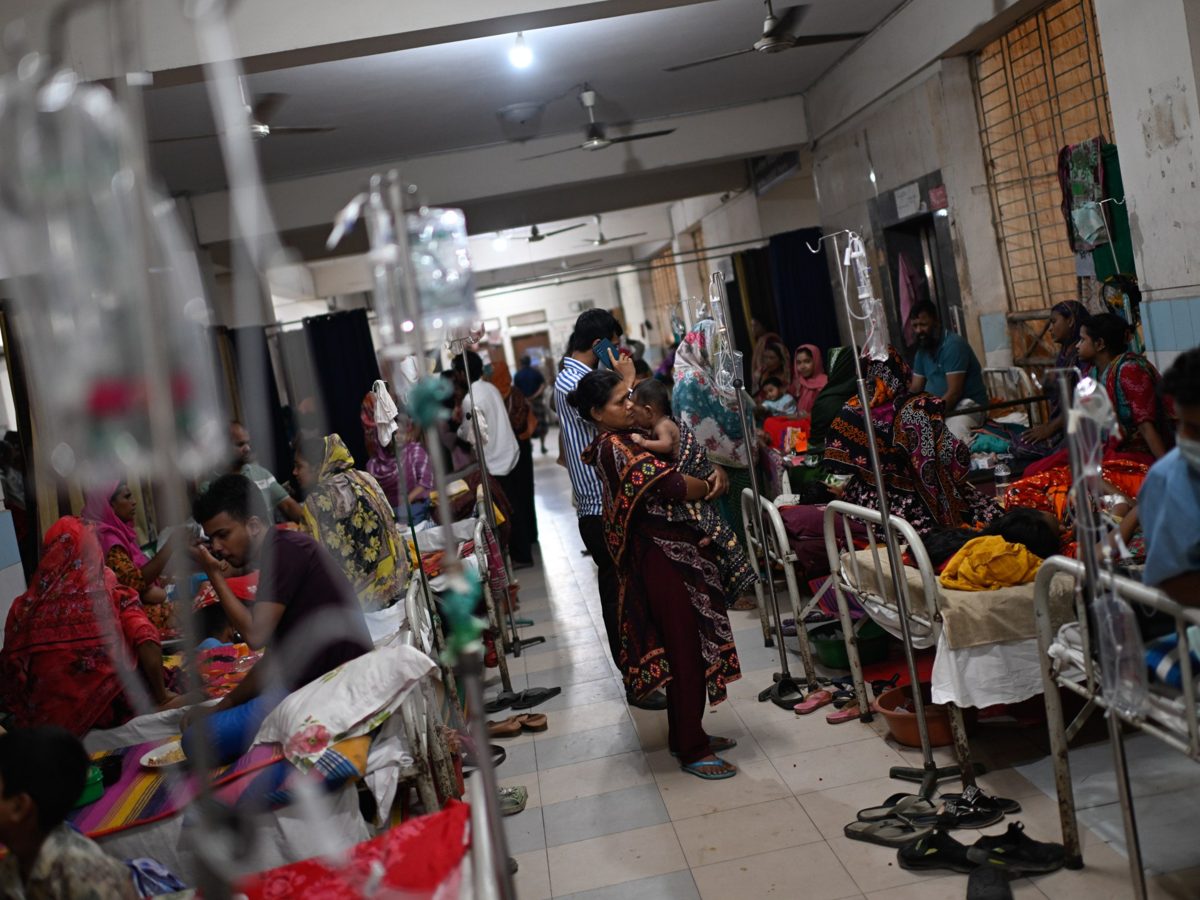
Bangladesh is currently facing a significant measles epidemic, which has claimed over 1,000 lives since March of this year. Despite the administration of nearly 20 million vaccine doses across the country, public health experts indicate that challenges persist in controlling the outbreak. Analysts suggest that past shortcomings in vaccination coverage and inaccuracies in target population estimates have exacerbated the current situation.
Highlights
- Since March, 1,009 deaths have been recorded due to measles, with 100 confirmed by laboratory tests and 909 classified as suspected measles deaths.
- The emergency vaccination campaign administered 19.75 million doses, yet this has not been sufficient to halt the epidemic's spread.
- Experts point to underestimated vaccination targets and national averages masking significant local coverage gaps.
- The majority of deaths, 86%, occurred in infants under 15 months old, and 83% were among individuals who had not received any measles vaccine.
- Disruptions during the COVID-19 pandemic and vaccine hesitancy contributed to declining immunization rates.
Details
Bangladesh, a South Asian nation of approximately 178 million people, had been making progress towards measles elimination before years of declining immunization coverage left a growing number of children susceptible. First-dose measles-rubella vaccination coverage dropped from 88.6% in 2019 to 86% in 2023, while second-dose coverage fell from 89% to 80.7%. Routine immunization programs were disrupted during the COVID-19 pandemic, and misinformation and vaccine hesitancy also contributed to children missing their vaccinations.
The country had not conducted a nationwide supplementary measles-rubella campaign since the last one ran from December 2020 to January 2021. This resulted in coverage remaining below the approximately 95% level needed to interrupt measles transmission. Political upheaval following the July 2024 uprising and subsequent government changes led to delays in vaccine procurement, causing shortages in 2024 and 2025.
Dr. Shrebash Paul, a junior consultant at Dhaka’s Infectious Diseases Hospital (IDH), noted that the majority of measles patients currently admitted are unvaccinated. Hospital data reveals that 47 out of 57 (83%) of those who died had received no measles vaccine, and 86% of deaths were concentrated among infants younger than 15 months. Pneumonia was recorded as the leading complication in 50 (88%) of the documented deaths.
Why it matters
This epidemic highlights that national vaccination rates alone are insufficient; ensuring equitable coverage across all communities is critical. Experts emphasize the need to maintain at least 95% coverage in every community, including hard-to-reach and mobile populations, to prevent the virus from circulating. Furthermore, vaccination targets must be based on accurate population estimates, and targeted vaccination strategies are essential to identify and address local immunity gaps.