Botswana at 60: A Diamond-Fueled Success Story Challenging Postcolonial African Failure Narrative
Celebrating 60 years of independence, Botswana has transformed its diamond wealth into sustainable development, education, and healthcare, serving as an inspiring model for many African nations.
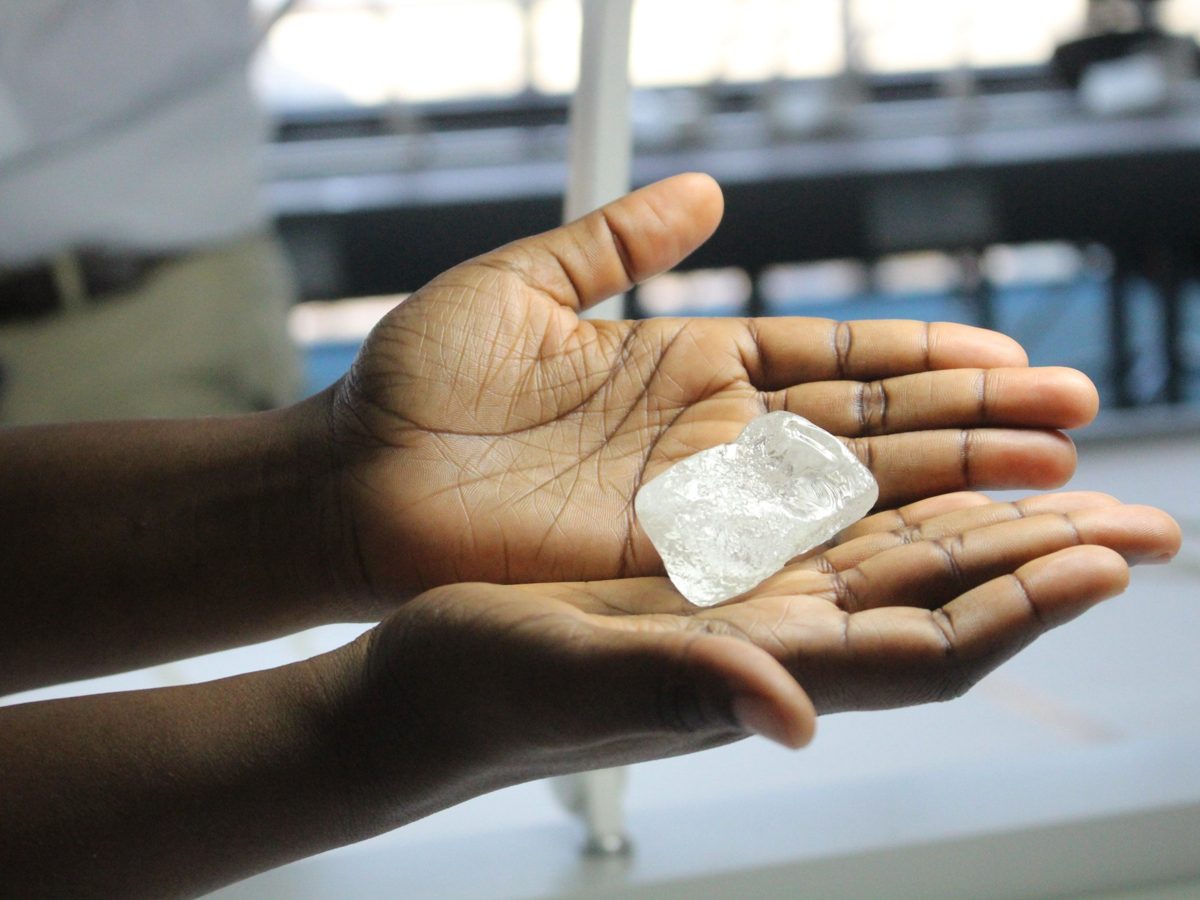
Botswana, celebrating its 60th year of independence, has authored a remarkable development story by prudently managing its diamond revenues, despite being one of the world's poorest nations at independence. The country has built public services, infrastructure, and a stable democracy, effectively reversing the narrative of postcolonial African failure.
Highlights
- At independence in 1966, Botswana was among the world's poorest countries, with only 12 kilometers of paved roads and just 22 university graduates.
- Six decades later, it has become an upper-middle-income country with a GDP per capita of approximately $7,800.
- In 1994, it became the first country to graduate from the United Nations' least-developed country category.
- The nation launched Africa's first national free comprehensive HIV treatment program in 2002 and achieved Gold Tier status in eliminating mother-to-child transmission.
- Despite recent economic contractions due to diamond dependency, efforts are underway to diversify the economy and invest in new sectors.
Details
Botswana achieved significant success, with its economy growing by an average of 13.9 percent annually between 1965 and 1980. This growth led to tangible results, including a road network stretching almost 35,000 kilometers, 80.2 percent of the population having access to electricity, and urbanization rising to 66.5 percent. Education also saw vast improvements; a country with only 22 university graduates at independence now educates 60,287 students at tertiary level in 2024.
Healthcare services have also advanced considerably. The national poverty rate fell from 30.6 percent in 2002/03 to an estimated 14.5 percent by 2022. Botswana's management of its diamond wealth has been the primary driver behind these advancements. The country owns 50 percent of Debswana, a diamond-mining joint venture, and uses its sovereign wealth fund, the Pula Fund, to preserve revenues for future generations.
However, an over-reliance on diamonds, which accounted for almost 90 percent of goods exports over the past decade, led to economic contractions of 2.8 percent in 2024 and 0.7 percent in 2025 due to weakening global demand. Unemployment stands at 21 percent, rising to 28.9 percent among those aged 15-35. This situation underscores the country's imperative to build an economy beyond diamonds.
Why it matters
Botswana's story demonstrates that natural resource wealth does not inevitably condemn a country to corruption and underdevelopment. It offers a crucial lesson on how resource revenues can be managed, protected, and utilized by the state to improve the quality of life for its people. This is particularly relevant as African countries seek greater control over critical minerals, highlighting the potential for resources to foster more productive economies and widen opportunities. Botswana stands as a living testament that postcolonial power, in the right hands, can serve the many rather than the few.