Welsh Government Plans to Ban Steel Pylons for Electricity Lines
The Welsh government is consulting on a policy to ban traditional steel pylons for electricity lines, favoring an "undergrounding-first approach" for new infrastructure.
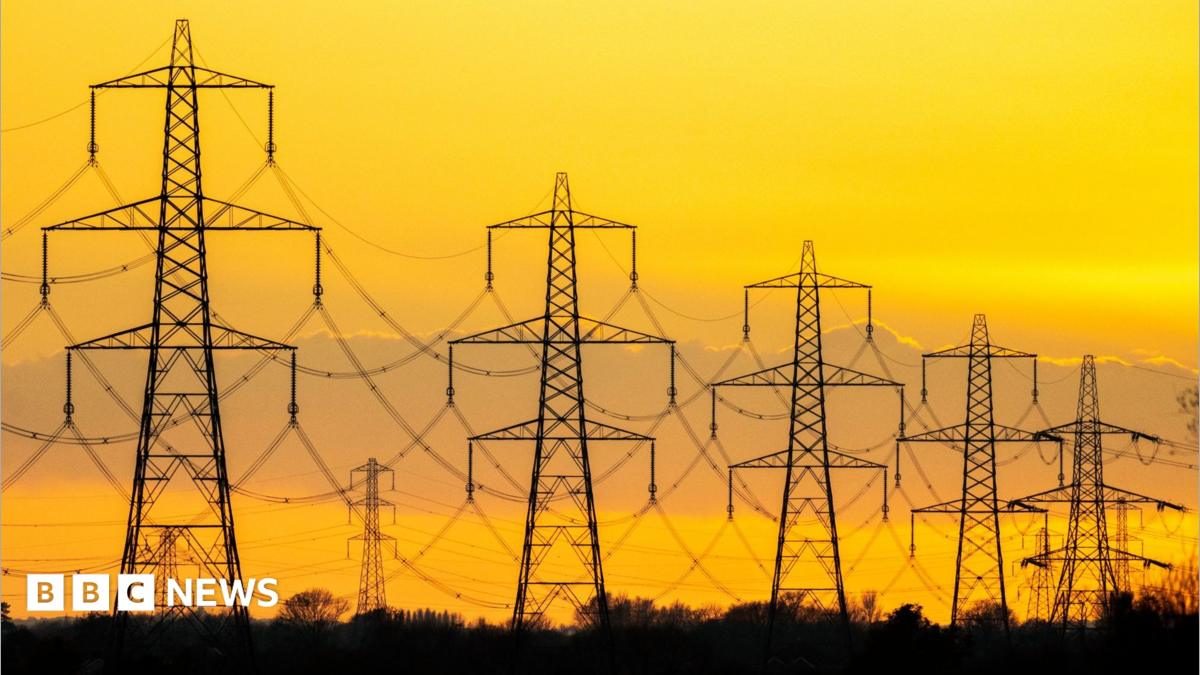
The Welsh government has announced it is consulting on plans to ban the use of traditional steel pylons for electricity lines under its control. Instead, the country's ministers are advocating for an "undergrounding-first approach" to bury energy cables, a move that comes amidst significant local opposition to proposed pylon networks, particularly in the Towy Valley.
Officials state that placing electricity circuits underground could "reduce the visual impact of electricity infrastructure, helping to protect landscapes and local amenity." They also suggest that buried cables could be less vulnerable to severe weather and could lessen the potential impact on birds and other wildlife.
Highlights
- The Welsh government aims to ban traditional steel pylons for new electricity lines and prioritize undergrounding cables.
- This policy responds to strong local opposition and political pressure against new pylon projects.
- Benefits cited include reduced visual impact on landscapes and greater protection for wildlife.
- However, the consultation acknowledges that undergrounding is generally more expensive to install and maintain.
- Where undergrounding is not feasible, the policy may allow for less intrusive infrastructure like wooden poles.
Details
Ministers from the Plaid Cymru party are strong proponents of burying cables underground, a commitment that was part of their manifesto before the May Senedd (Welsh Parliament) election. The government's policy would prohibit large steel lattice pylons for new lines up to 132 kilovolts.
Green Gen Cymru, an energy firm, has plans for three major power line routes to connect onshore wind farms to the wider grid, aiming to invest nearly £1 billion by 2030. The company has consistently stated that undergrounding its cables would cost on average 4.5 times more than overhead lines. This would mean an additional cost of £500 million for the Towy Usk project alone, which spans Carmarthenshire and Powys.
Why it matters
This initiative reflects Wales's commitment to developing its energy infrastructure while minimizing environmental and community impacts. The decision to prioritize undergrounding could help preserve natural landscapes and make energy projects more acceptable to local populations. However, the increased costs associated with this approach raise questions about its potential impact on energy prices and the overall feasibility of new infrastructure projects.